


Watch Winder

If you rotate between several automatic watches, setting time, date, or even a moonphase after each pause can drain minutes every week and risks misaligned calendar cycles. A dedicated watch winder solves that problem by keeping motion when the watch is not on your wrist. With a finely tuned winder, the movement stays lubricated, accuracy stabilizes, and complications remain in sync.
This collection focuses on the winder itself: calibrated turns per day, bi‑directional programs, gentle starts, and low‑noise engineering that protects your timepieces while they rest. Explore how a watch winder translates into ready‑to‑wear precision, compare capacities from single modules to cabinets, and choose the rotation profiles that match your movements.
Scroll to learn what differentiates a purpose‑built winder from generic storage, how to specify TPD and direction for your calibers, and which features matter in daily use. Then select the format that fits your routine and collection size.
Unlike a simple box, a winder reproduces wrist‑like movement with controlled cycles. That means defined turns per day (TPD) and direction routines that match automatic winding systems. Correct calibration preserves power reserve without over‑agitating the rotor, and prevents the oils inside the escapement from settling during long pauses.
| Movement profile | Practical TPD & direction |
|---|---|
| Bi‑directional rotor, modern automatic | 650–800 TPD, bi‑directional program |
| Clockwise‑only winding | 700–900 TPD, clockwise only |
| Counterclockwise‑only winding | 700–900 TPD, counterclockwise only |
| High‑complication (annual/perpetual, moonphase) | 600–750 TPD, bi‑directional with longer rest |
If you don’t know your caliber’s direction, start with a bi‑directional setting at 650–700 TPD. Check power reserve after 48 hours; increase in 50–100 TPD steps only if the watch loses time off the winder.
"A winder does exactly what its name suggests: it maintains the mainspring when the watch is not on the wrist, so you avoid repeated resets and protect delicate calendar mechanisms."
When capacity matters, focused modules prevent idle rotors from turning needlessly. For compact ensembles, see three‑watch formats in this curated capacity tier to match everyday rotation without excess bulk.

Refined winders focus on silence, stability, and non‑abrasive contact. Look for a low‑noise motor with damped mounts, balanced rotors, and an enclosure that suppresses vibration. A quality drive delivers consistent torque at very low RPM, so the hands continue on time while the winder remains barely audible.
| Feature | Why it matters on a winder |
|---|---|
| Decibel rating | Sub‑30 dB is library‑quiet; suitable for bedrooms and workspaces. |
| Torque stability | Prevents stuttering at start/stop; protects the winding system. |
| Damped mounts | Cuts resonance; less vibration transmitted to the case. |
| LED status | Quick visual check of program and power state in low light. |
A winder should never “force‑wind.” If a program lacks rest intervals or runs continuously, it is not emulating wear. Choose programmable cycles with defined pauses to avoid unnecessary rotor wear.
Scaling up in a quiet environment calls for balanced arrays. To maintain low noise across multiple heads, consider the eight‑watch range with synchronized modules and shared acoustic damping for cohesive, subtle operation.
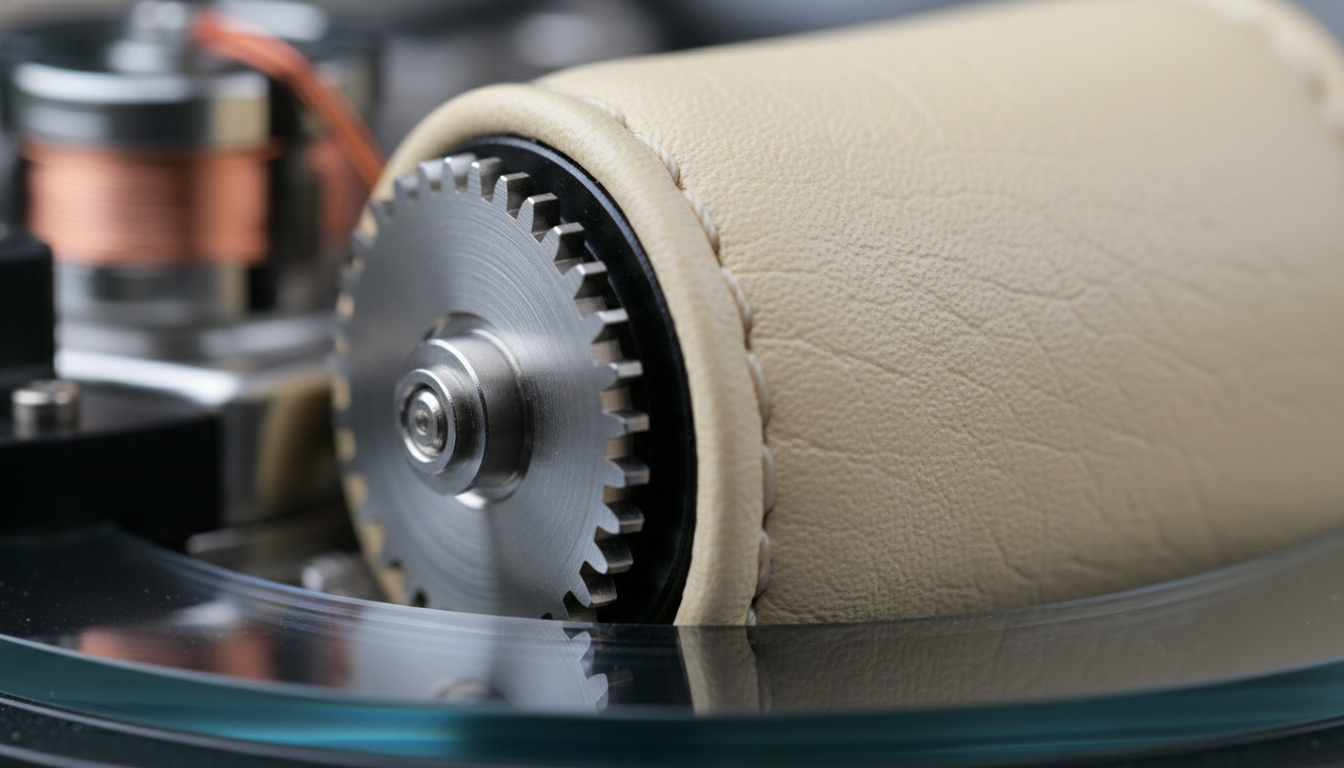
Capacity is more than a number; it is how the winder integrates into daily habits. Singles keep a favourite on standby, doubles pair weekday and weekend pieces, while larger arrays create a hub to rest, wind, and display. Cabinets add drawers, lighting, and locks to merge care and storage.
| Capacity class | Typical dimensions & use case |
|---|---|
| 1–2 heads | Compact desktop units; travel‑friendly; AC or battery power. |
| 3–4 heads | Console format; shared power; often with LED and lock. |
| 6–8 heads | Sideboard placement; synchronized programming; display focus. |
| 12+ heads (cabinet) | Showcase cabinetry; security features; multi‑zone lighting. |
A good winder’s “sleep phase” lets the mainspring relax, mirroring overnight rest on the wrist. That pause is essential to long‑term movement health and helps avoid rotor overrun.
Design meets function in cabinetry: tempered glass, sealed hinges, and controllable lighting protect finishes while keeping a clear view. For extensive setups, explore 12‑plus modules that consolidate winding and storage behind a secure door.
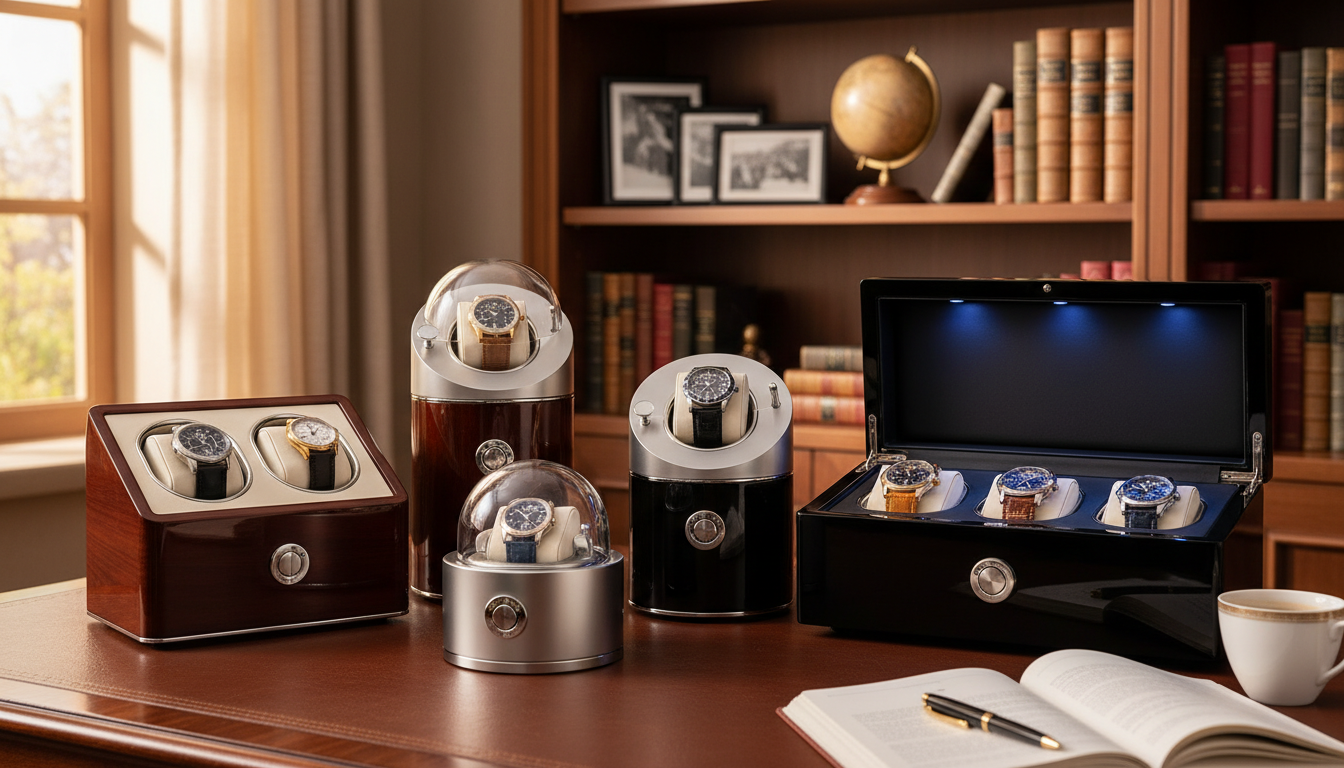
Start with the movement’s needs, then align capacity, noise, materials, and power. A single‑head winder suits a daily wearer rotation; a multi‑head console or cabinet supports broader collections with synchronized routines. If you want a compact, take‑anywhere module, see this discreet single‑slot unit as a reference.
| User profile | Suggested winder settings & format |
|---|---|
| One daily auto + occasional swap | Single, 650–700 TPD, bi‑directional; battery option for shelf use. |
| Weekday/weekend rotation | Double, individual programs per head; AC power for stability. |
| Small curated set (3–4 pieces) | Console with lock and LED; 650–800 TPD with periodic sleep. |
Balancing multiple wearers or travel‑backed pieces? A quiet six‑head console with a locking door and soft lighting can streamline handovers; review this six‑watch walnut reference as a benchmark for capacity and visibility.
A winder keeps the movement in motion, sustaining the mainspring and preserving calendar settings. The benefit is ready‑to‑wear time without resets, while cycle pauses emulate natural rest. It’s particularly helpful for watches with moonphase, day‑date, or travel time indications.
A static box stores; a winder stores and maintains. Rotation profiles (TPD and direction) keep the mechanism active and lubricated. If you wear two pieces regularly, a quiet double head like this two‑watch option balances alternating routines without extra handling.
Fewer resets, stabilized accuracy, and safeguarded complications. The right winder offers bi‑directional programs, low‑noise operation, and secure placement. It also reduces crown wear from frequent manual setting, supporting long‑term reliability.
Yes—modular winders scale as pieces are added. For four to eight rotating heads, view an expanded multi‑slot console with shared power and individual programming to keep multiple movements in sync.
Dust the exterior with microfiber, avoid solvents, and keep vents clear. Use stable AC where possible; choose battery only for flexible placement. For mid‑size arrays, a four‑head reference like this quiet quad unit shows how centralized power keeps cycles consistent.
Do:
A dedicated watch winder is a care tool first and a display second: it maintains motion, guards finishes, and delivers instant readiness across your automatic watches. Whether you need a discreet single or a cabinet with lighting and locks, choose calibrated TPD, direction control, and quiet engineering to extend the life of every movement.
Planning a larger configuration? Pair this category with related capacities to build a coherent setup—consider complementary groups like structured eight‑head layouts or progress toward cabinetry when you require display and security in one place.


