


Single Watch Travel Case

A single watch taken off at the gym, during a red‑eye flight, or on a hotel nightstand faces the same risks: dents, dust, and stray knocks. That’s why the case matters more than any other travel accessory. A dedicated Single Watch Travel Case transforms a vulnerable moment into a controlled environment, keeping your timepiece immobile, cushioned, and sealed from grit on the go.
Rather than juggling rolls, pouches, or multi‑slot boxes, this purpose‑built case focuses on one job—protect a single timepiece with a crush‑resistant shell, a soft interior, and geometry that prevents bracelet rub. Expect measurable gains: fewer micro‑scratches, zero movement inside the cavity, and quick access when you need to swap at security or before dinner.
Browse below to understand how a travel case achieves protection through structure, materials, and fit—and how to choose the configuration that serves your routine. When you’re ready, select the case layout and finish that match your watch and your carry.
Protection begins at the outside. A travel case’s outer architecture disperses shocks while resisting crush pressure in a backpack, briefcase, or overhead bin. The key is a rigid profile paired with modest flex, so energy is absorbed before it reaches the watch head or crystal.
Compared with a soft watch pouch, the case distributes force across an engineered wall rather than transferring it directly to the lining. That’s why single‑slot architecture is preferred when you toss your carry into a taxi trunk or under an airplane seat.
| Shell material | What it adds to the case |
|---|---|
| Ballistic‑style nylon over EVA | High abrasion resistance, water‑shed surface, resilient impact damping with low weight. |
| Reinforced ABS composite | Rigid crush resistance; keeps a consistent cavity shape under pressure. |
| Vegan or genuine leather over stiff core | Tactile finish with structural stability; gains patina while preserving geometry. |
If a case wall flexes enough to touch the watch when you press firmly with your thumb, it’s not offering reliable crush protection. Look for a shell that rebounds while the inside remains undisturbed.
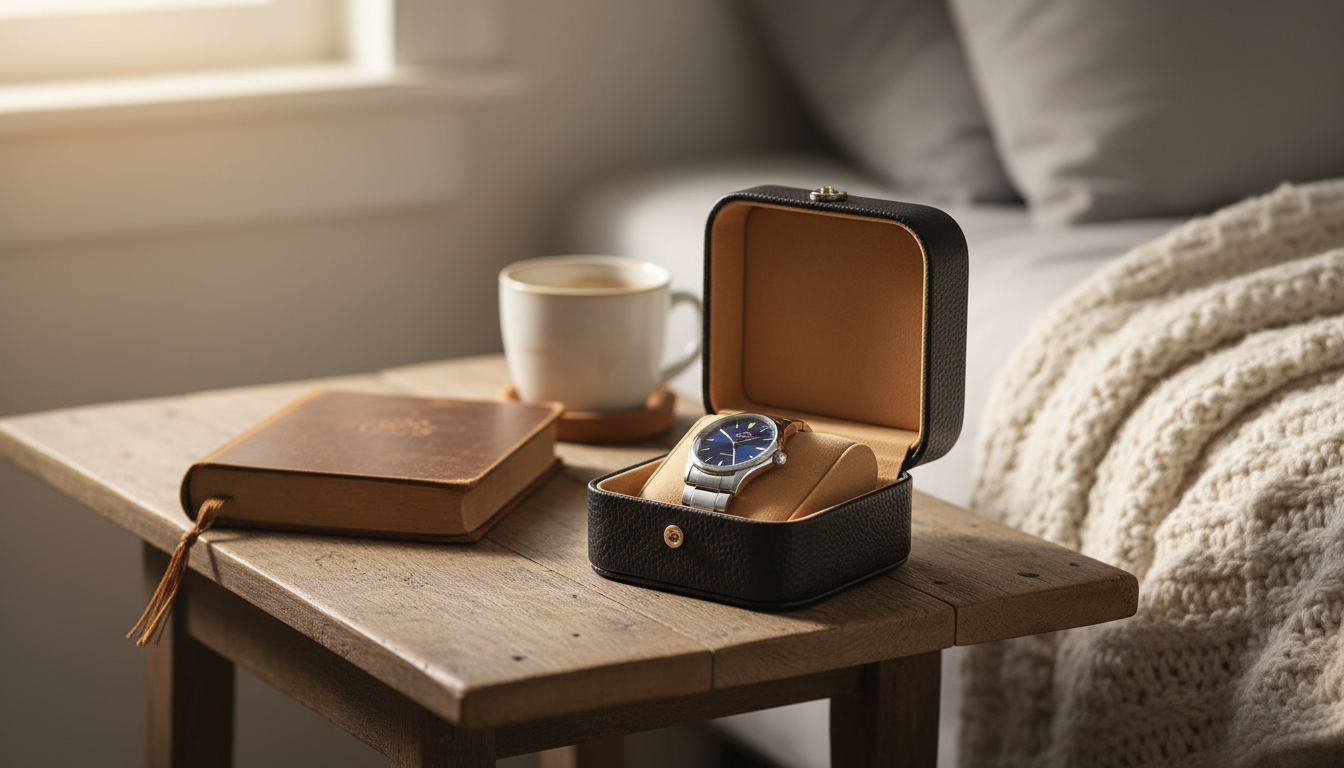
The defining difference of a single‑slot case is the shaped cavity. A deep concave center “locks” the watch head while separating the bracelet from the caseback to avoid metal‑on‑metal contact. Soft, anti‑scratch textiles complete the protective envelope.
Unlike a roll where multiple watches can nudge each other, a single watch travel case isolates the timepiece completely. That isolation is key when you set the case down at the gym or place it in a locker—there’s no shared space to transmit bumps.
| Interior feature | Why it matters in a case |
|---|---|
| Concave center | Prevents the watch from sliding; protects crowns and pushers during jolts. |
| Perimeter bolster | Supports the bracelet and keeps it suspended away from the caseback. |
| Lint‑low microfiber | Minimizes dust transfer; gently cushions polished or brushed surfaces. |
If you want to explore broader protective layouts beyond a single cavity, see the leather and textile variants in this wider range of watch carry pieces; they complement a one‑slot travel case when you rotate multiple watches.
Slip a thin microfiber square under the head when transporting ultra‑light watches; this adds micro‑cushioning and tightens the fit without increasing bulk inside the case.
Fit is where a travel case either works flawlessly or becomes a compromise. The cavity should accommodate most wristwatches and smartwatches up to about 50 mm across, yet still clamp the watch head securely. The target outcome is zero rattle when you shake the closed unit lightly.
| Watch diameter | Case cavity guidance |
|---|---|
| 35–40 mm | Use thin foam insert for a snug seat; prevents vertical play. |
| 41–45 mm | Direct fit in most single cavities; bracelet stays suspended. |
| 46–50 mm | Check crown height; choose deeper concave geometry for headroom. |
If you prefer tactile finishes, leather‑wrapped exteriors give a warmer handfeel without sacrificing structure. You’ll find a variety of colors and grains among these leather‑finished carry options, which pair well with a minimalist single‑watch case for daily commuting.
A round, “donut”‑style case reduces point loads on the watch head compared with squared corners, distributing stress evenly along the shell.
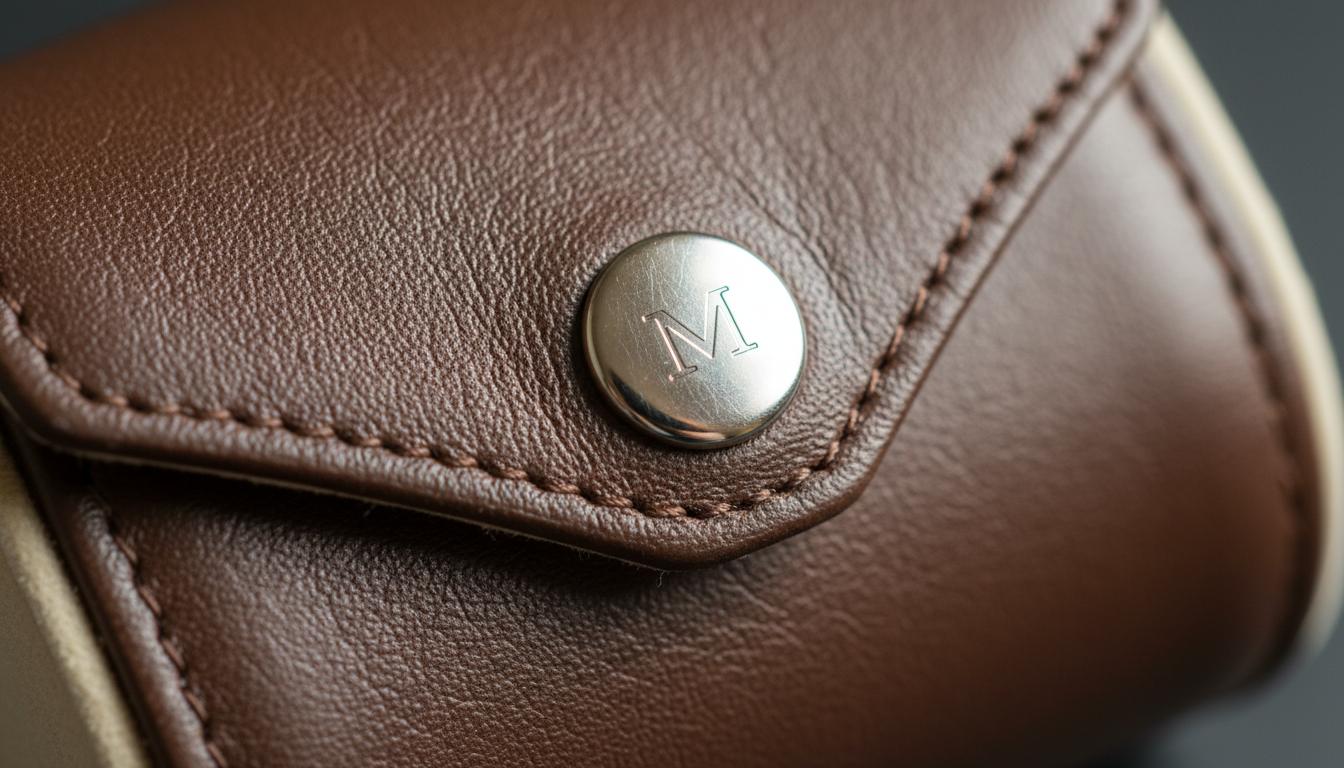
Travel exposes a case to spilled coffee, condensation, sand, and lint. The best units balance water‑shedding surfaces with seams that don’t wick moisture inward. Internally, lint‑low fabrics prevent stray fibers from clinging to brushed links or polished bezels.
When you store a watch at home, a rigid single case can sit in a drawer or safe without taking shelf space. For times you need a display or more compartments, compare the single‑slot travel form to the alternatives curated in this one‑watch box assortment—useful contrasts that highlight what a compact travel case does best.
Air the case open for an hour after beach trips; a brief dry‑out keeps the lining fresh and helps the shell release any trapped humidity.

Use these criteria to evaluate a one‑slot travel unit before you buy. The goal is a case that fits your watch, your bag, and your routine—without bulk.
| Use case | Recommended case spec |
|---|---|
| Daily gym locker | Hard shell, microfiber lining, quick‑pull zipper, slim profile. |
| Carry‑on travel | Crush‑resistant body, padded zipper guard, water‑resistant exterior. |
| Desk or drawer storage | Rigid case that stands upright; lint‑low interior for clean retrieval. |
Prefer a darker finish for discreet carry? Consider a one‑slot unit in a deep tone; the twilight‑inspired shade available in this compact single‑watch model blends easily with business luggage while keeping the protective case structure intact.
If you favor utilitarian gear, a matte, charcoal‑toned case provides a stealth look while delivering the same protective geometry. See an example with a low‑gloss finish via this streamlined single‑slot piece.
Because a one‑slot case isolates your timepiece fully. There’s no second watch to transmit shock, and the deep concave prevents sliding. For mixed routines—office, flights, the gym—this compact protector is safer than an open pouch and far smaller than multi‑slot storage. Explore a muted option through this leather‑wrapped variant.
A roll groups several watches around a core—efficient, but they can touch if not perfectly strapped. A soft pouch is pocketable but lacks a rigid wall. A dedicated case offers a crush‑proof shell, a shaped cavity, and a zipper guard—benefits aimed at a single watch, not many. For a tone‑on‑tone look, see this greenery‑inspired finish.
Three stand out:
Yes. A hard body prevents locker bumps from reaching the watch, while the lining stops grit from transferring after training. For quick swaps, a smooth zipper and a compact footprint keep transitions fast between the gym and meetings.
Wipe the exterior with a damp cloth; use a non‑abrasive cleaner on hard shells. For leather, apply conditioner sparingly. Vacuum loose dust from the lining and air the case open occasionally. For a darker, travel‑ready piece with these care traits, consider this charcoal single‑watch unit.
Check the cavity depth and crown clearance. Many cases support up to roughly 50 mm. If your watch approaches that, prefer a deeper recess and remove thin foam inserts to maximize headroom, ensuring the zipper guard clears the crystal.
A Single Watch Travel Case earns its place by doing one job with precision: securing a single timepiece inside a hard, shaped, and softly lined structure. Compared with rolls or pouches, the payoff is immediate—less movement, fewer marks, and faster handling. For a rigid, display‑ready alternative, see this single‑watch box format.
Choose the shell you trust, the lining you like, and the fit your watch deserves. With the right case, travel and storage become routine—not a risk.


