


8 Watch Box

Too many watches scattered across drawers, travel pouches, and the nightstand? That’s how bezels get nicked and crystals collect dust. An 8 Watch Box solves this in one move: eight dedicated slots, cushioned support, and a protective lid that keeps everything visible and safe. Unlike generic storage, this specific box format combines display and organization in a compact footprint you can place at home or move to a safe.
Expect measurable gains: quicker selection in the morning, fewer accidental knocks, and a consistent humidity and dust barrier for your pieces. Below, you’ll find how an eight-slot chest differs from rolls or trays, how glass-top lids and drawers change daily use, and which measurements matter before you buy. Scroll to compare layouts, materials, and security options, then choose the case that fits your collection’s look and size.
A box configured for eight watches is engineered around separation and support. Each slot isolates a watch so bracelets and clasps never touch. The lid’s geometry (hinge angle, panel depth) keeps height under control, while the window—when present—lets you choose at a glance without opening the case. This is where a rigid box differs from trays or rolls: you get a fixed grid and consistent clearances every time.
Typical dimensions for an eight-piece chest strike a balance between capacity and storage: approximately Length 28.5 cm, Width 20.5 cm, Height 12.5 cm, and Weight around 2.16 kg when built in wood with glass. Hard-sided travel variants can be slimmer in height due to zipper lids and foam-shaped cavities.
| Fit metric | Typical spec in an 8-slot box |
|---|---|
| Slot width | 48–52 mm internal, accommodating most watch heads up to ~44 mm diameter |
| Pillow circumference | cushioned pillows around 160–200 mm; compressible for smaller wrists |
| Lid clearance above crystal | 12–18 mm depending on lining and window thickness |
| Window material | tempered glass in display chests; acrylic on some lightweight travel cases |
Measure lug-to-lug length as well as diameter. If your largest watch exceeds 51–53 mm lug-to-lug, choose a box with slightly wider slot spacing to avoid end-link contact with the slot walls.
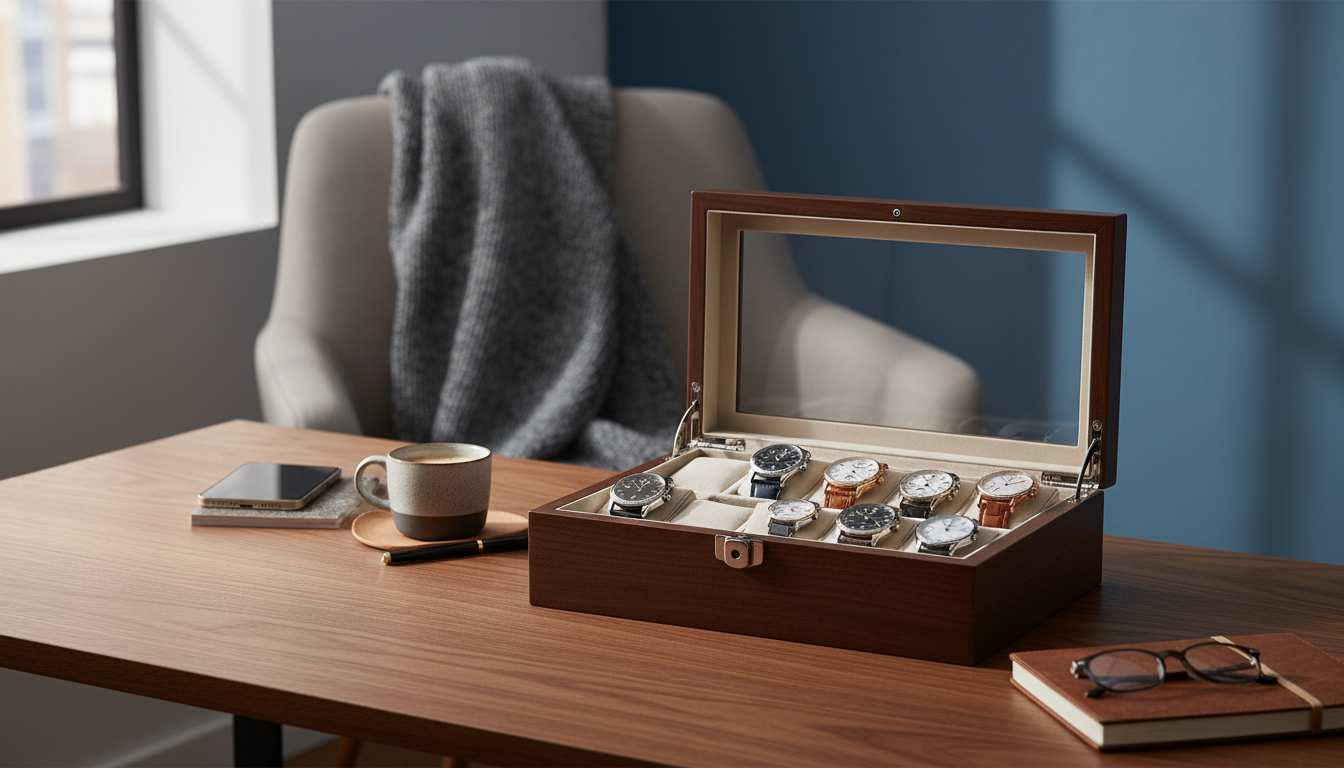
The advantage of a box over soft alternatives is its rigid shell. Whether crafted from solid wood, leatherette over engineered timber, cork composite, or a patterned canvas (including classic monogram canvas textures), the structure keeps your watches stationary and guards against impacts. Linings—usually velvet or microfiber—are intentionally scratch-safe lining to protect polished surfaces and bezels.
| Material | Touch & look |
|---|---|
| Wood (walnut, oak, ash) | Warm grain, substantial weight; pairs well with brass-toned hardware |
| Leatherette or leather wrap | Supple feel, classic stitch lines; easy to wipe clean |
| Cork or canvas | Lightweight texture; canvas can feature monogram patterns |
| Carbon-style veneer | Modern weave look; pairs with matte black hardware |
If you’re weighing a glass-top display against a non-window lid, remember: the display window lets you select instantly, reducing handling time. For security, choose a key lock or latch and store the box in a cabinet or safe. It also moves neatly from a safe to a suitcase when you travel, maintaining structure that soft organizers can’t match. Explore a broader selection of watch cases if you want to compare formats before you decide.
If your box uses acrylic instead of glass, avoid ammonia-based cleaners. Use a microfiber cloth and pH-neutral solution to prevent hazing. Add a small desiccant pack to maintain a stable microclimate inside the chest.
Where a roll stops at basic storage, a box can add thoughtful organization. Many eight-slot designs offer an under-deck drawer—marketed as “8 Slot With Drawer”—to separate straps, spring bars, and cufflinks from your watch heads. Others replace the drawer with a removable tray that lifts to reveal a hidden compartment for documents or other valuables.
| Configuration | Best use |
|---|---|
| 8-slot with drawer | Daily use at home; bands, cufflinks, and tools live below the upper grid |
| Removable upper tray | Discreet storage; lift to access documents or small valuables |
| Single‑deck (no extras) | Minimal footprint; pure eight-slot grid with maximum lid height |
If you enjoy the tactile presence of timber and joinery in a display chest, consider the dedicated wood versions for a warmer aesthetic and weightier feel while retaining the same eight-slot logic.
Boxes with a sealed drawer often stabilize humidity better than open trays. Pair with silica gel to protect leather straps and prevent corrosion on polished steel during seasonal storage.
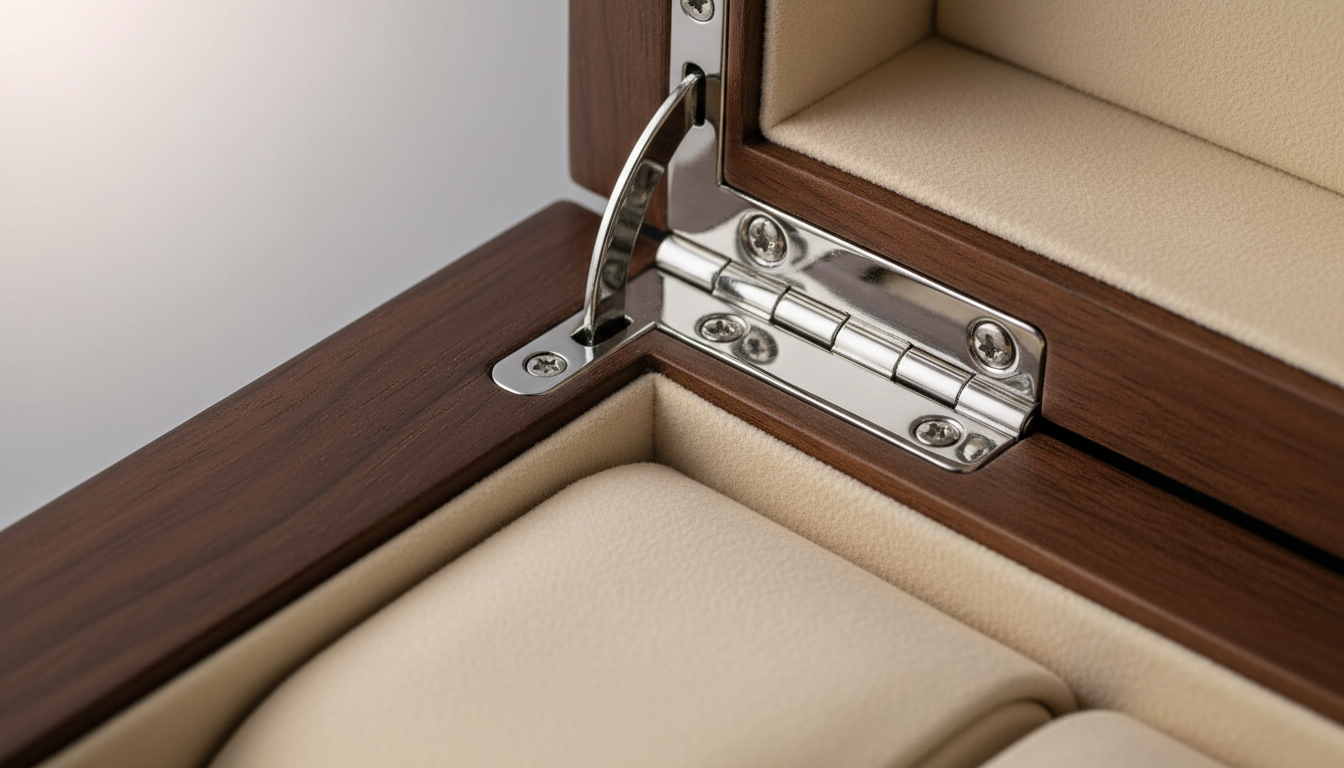
For movement between rooms or from safe to suitcase, a hard travel box makes sense. EVA shells with zipper closures and foam dividers hold watches securely, typically up to 42–44 mm each. For the dresser, a glass-lid chest offers a calmer ritual: open, choose, close—no zips, no loose pouches, just a stable grid under a clear window.
| Type of eight-slot box | Strength in daily use |
|---|---|
| Hard-sided travel case (zip) | Portable, compact, protective; ideal for hotel safes and carry-ons |
| Glass‑top home chest (lock) | Fast visual selection, lockable lid, elevated display presence |
If you also maintain automatic watches in motion, contrast your static box with the 8‑watch winders range, then decide whether a winder or a passive chest better fits your routine and space.

Focus on the parts that define a box—its shell, grid, and lid—then verify fit for your watches.
| Use case | Box configuration to prioritize |
|---|---|
| Home display | Glass lid, lock, heavier shell, under-deck drawer |
| Safe storage | Tight tolerances, compact height, no protruding hardware |
| Travel | Hard-sided EVA, zipper closure, foam inserts |
Prefer a textured timber finish and compact proportions? See our resinous-wood chest in the resinous wood model to evaluate weight, hinge feel, and interior density against your needs.
Eight is a sweet spot: a complete weekly rotation plus room for a dress or sports piece. The box form keeps a compact footprint and a fixed grid, reducing movement and dust. For a refined display take, preview the beveled‑lid design in this slim case.
A roll compresses watches together; an open tray invites dust. The eight-slot box isolates each piece and adds a protective lid. Visibility is superior with a glass window, and hardware prevents accidental contact. Review a light, modern variant via this streamlined chest.
Prioritize a positive‑engagement latch or key lock, dense lid padding, and tight tolerances. In shared spaces, a lock deters handling; in safes, a rigid shell prevents strap deformation. For elevated protection, compare the reinforced hardware in this secure chest.
Most boxes accept watch heads up to 42–44 mm. Measure lug‑to‑lug as well; overly long end‑links may touch slot walls. If you wear 46 mm pieces, choose wider slots and higher lid clearance, or remove pillows and use foam spacers to keep the crown off the lining.
Dust the exterior weekly with a soft cloth. For velvet, use a lint brush or low‑suction vacuum with a mesh barrier. Avoid harsh cleaners on windows; choose pH‑neutral sprays. Rotate silica gel packs every few months and keep oils and polishes away from seams and hinge joints.
Yes—choose a configuration with a lower drawer or a removable tray. Accessories stay separated from the upper grid so metal parts don’t rub crystals. This keeps the box tidy and speeds up prep time before events or travel days.
A dedicated eight-slot box brings order, protection, and a measured ritual to your collection. With a rigid shell, visible grid, and options like a glass top, drawer, or hidden tray, the chest form does what loose pouches and trays cannot. For a compact, design‑forward take, preview the curved‑profile build here: this sculpted case. If you’re exploring adjacent formats too, compare them in the sections above, then choose the dimensions and features that meet your routine today and scale gracefully tomorrow.


