


6 Watch Winder

A 6 Watch Winder solves a practical problem: automatic watches slow or stop when unused. Choosing a 6 Watch Winder means each timepiece is ready on demand, with date, moon-phase, or GMT displays preserved. Beyond convenience, the right winder protects lubricants by simulating natural wrist motion, extends service intervals, and offers quiet operation suitable for the bedroom. Expect individually programmable rotors, precise TPD settings, and display features that turn maintenance into presentation. Dive below for expert guidance, side‑by‑side tables, and concise checklists tailored to six‑slot winding systems—so you can configure once and enjoy accuracy every day.
Where smaller cases rotate one or two watches, a six‑slot winder is designed for collectors who rotate wear frequently. The goal is not endless spinning; it’s controlled cycles that keep the mainspring within an optimal tension window and protect calendar mechanisms. A 6 Watch Winder brings synchronized readiness and configuration depth that alternatives often lack.
Unlike generic watch boxes, a six‑rotor cabinet provides holistic management for an entire weekly rotation—dress, diver, pilot, travel timer, and more—so none of them sits idle for long enough to drift or stall.
| Complication | Typical TPD & Direction |
|---|---|
| Time & Date (3‑hand + date) | 650–800 TPD, bi‑directional preferred |
| Day/Date, GMT, Worldtime | 700–900 TPD, CW or bi‑directional per calibre |
| Moon‑phase, Annual/Perpetual Calendar | 800–1200 TPD, gentle alternating direction |
For mixed collections, prioritize a winder with independent rotor control so each watch receives its own TPD and rotation direction. This is the defining advantage of a six‑slot system versus shared‑motor designs.
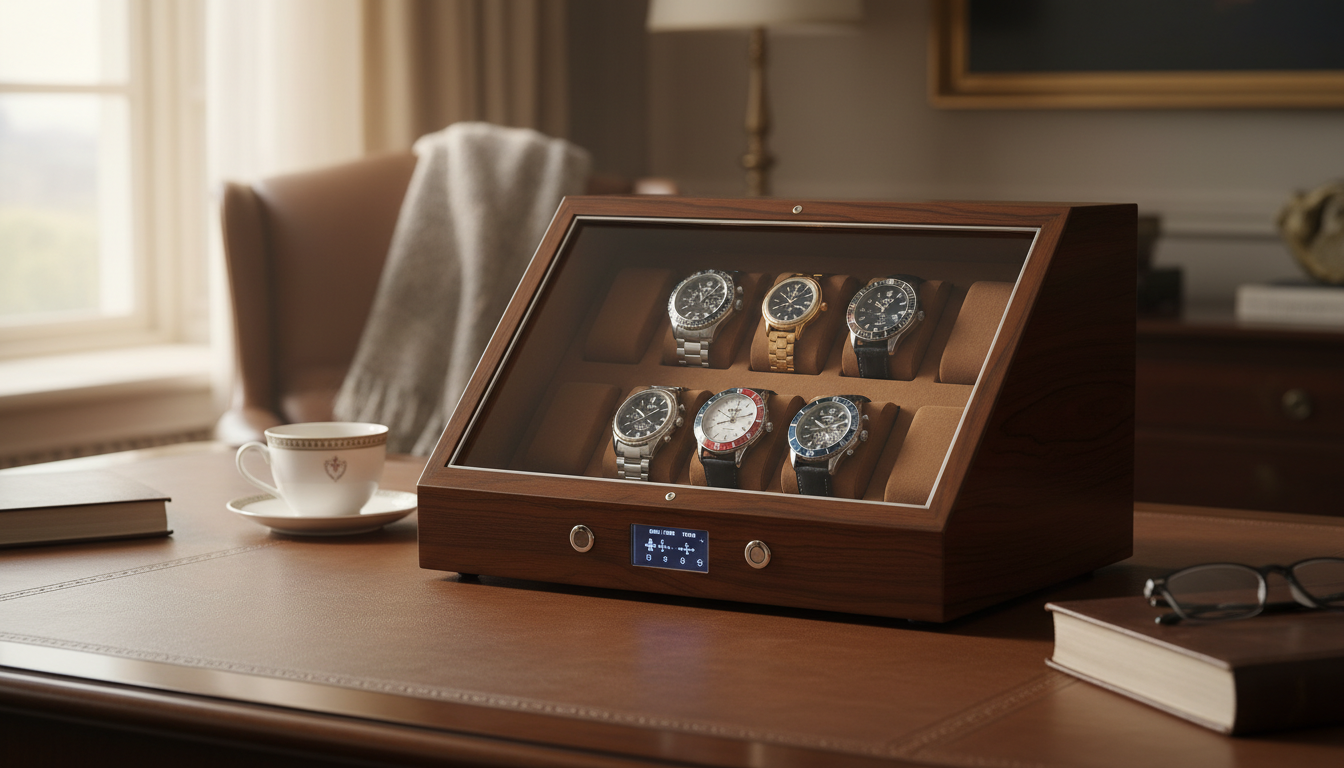
A winder is both a precision tool and a display case. Surface finishes influence not only aesthetics but also how light plays through the glass door, how fingerprints show, and how well the cabinet dampens vibration. High‑gloss piano lacquer, tactile burl wood veneers, and woven carbon fiber each create a distinct presence at Home or office.
| Finish / Material | Practical Benefit |
|---|---|
| High‑gloss lacquer | Reflects light, emphasizes dials; easy to wipe clean |
| Burl wood veneer | Classic warmth, hides minor dust better than black |
| Carbon fiber weave | Durable surface, contemporary vibe, pairs with onyx‑style trims |
Six‑slot winders vary in size and weight; a typical cabinet sits around 26–40 cm high and may weigh near 5–6.5 kg (e.g., approximately 6.2 kg) depending on materials, glass thickness, and motor design. Look for well‑seated door seals and stable feet to reduce resonances during rotation.
Interior LEDs with a higher CRI render dial colors more accurately through the glass. If you enjoy dark‑room viewing, seek dimmable light strips to avoid over‑illumination.
To compare broader form‑factors and display styles beyond six‑rotor units, explore our automatic winder range selection of watch winders.
Performance in a six‑slot system hinges on motion control and acoustic tuning. The best implementations blend low‑vibration motors, precise gearing, and programmable logic so each watch gets what it needs—and nothing more.
| Use Case | Rotor Setup Advice |
|---|---|
| Mixed brands and complications | Individually programmable rotors, staggered TPD values, alternating direction |
| Travel timer + divers | Mid‑range TPD (700–900), focus on bi‑directional to balance wear |
| Calendar‑heavy pieces | Higher TPD window (800–1200), longer rest intervals overnight |
Matching TPD to each movement prevents unnecessary slipping at the clutch and avoids stalled models that need tedious re‑setting. A 6 Watch Winder pays off every time you swap wristwear mid‑week.
If you appreciate tactile materials and warm tones, see the wood‑bodied winders collection via the wooden automatic cases.
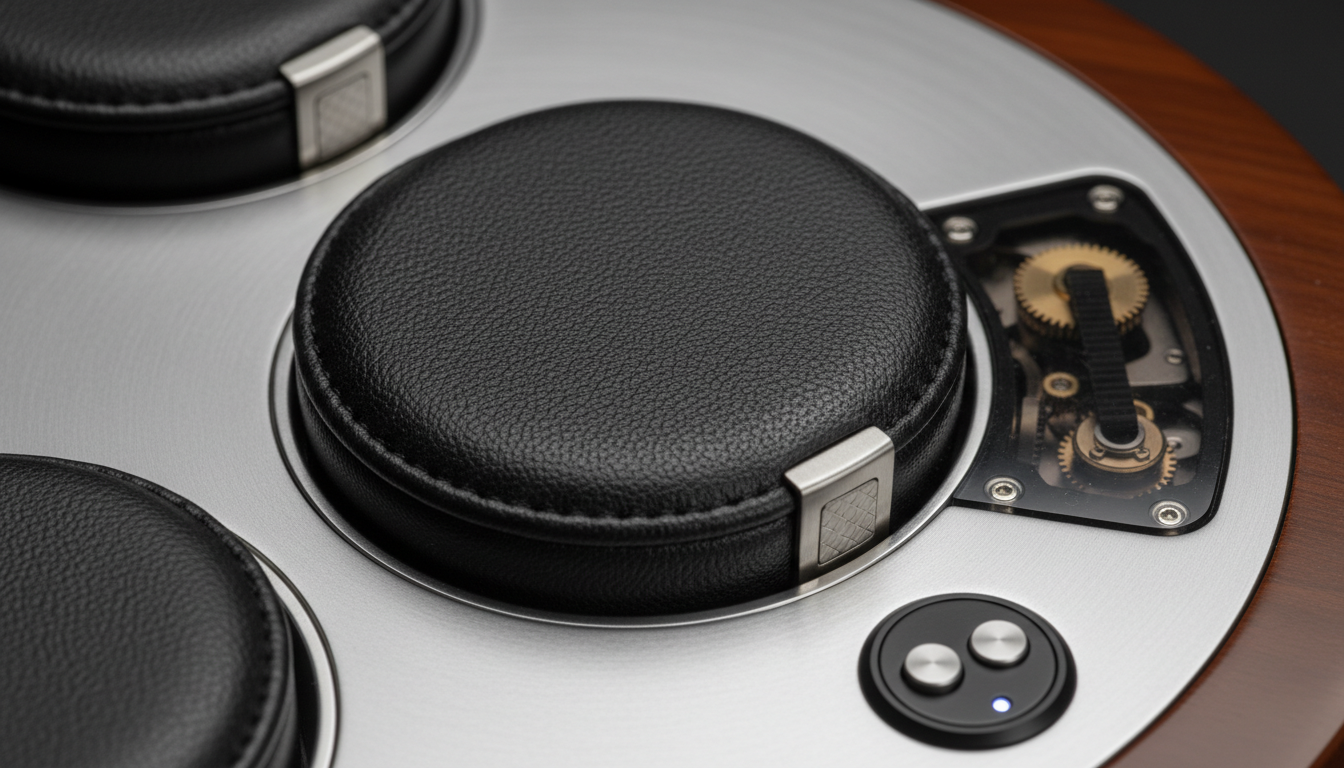
Security‑minded six‑slot winders integrate access control and protective construction. Options include a fingerprint lock, key locking, and reinforced doors. Some safe‑ready units add vibration alarms, Wi‑Fi monitoring, or backup power. The aim is simple: your watches stay protected while remaining precisely wound.
| Security Feature | What it Adds |
|---|---|
| Fingerprint access | Quick entry without keys; user profiles for household members |
| Lockable lid/door | Child safety, dust control, and stable climate inside the case |
| Alarm + remote alerts | Deters tampering; optional app notification if moved |
If installing in a safe, confirm interior depth for open‑door clearance and ventilation. Motors still need airflow for longevity.
Growing beyond six pieces? Consider complementary formats and capacities by browsing 8‑slot winding options for larger rotations.

Selecting the right six‑slot unit blends technical fit with how you plan to display or secure your pieces. Prioritize rotor independence, quietness, and robust access control; then refine materials and lighting to suit the room.
| Profile | When to Choose |
|---|---|
| Display‑first cabinet | Living room or office, prioritizing LEDs, glass clarity, and finish variety |
| Security‑centric unit | Bedroom or safe integration; emphasizes fingerprint locks and reinforced shells |
Prefer a six‑slot display with textured veneers and quiet gearing? Consider a ribbed‑finish cabinet for rich light play and stable rotation.
If your space leans modern—dark tones, metallic trims—an option with a technical skin and LED accents such as a carbon‑look six‑rotor box pairs performance with a contemporary profile.
It’s a cabinet with six motorized rotors that mimics wrist motion for automatic watches. You set TPD values and rotation direction per slot so each piece stays on time, preserving complications and reducing manual resets. Many add tempered glass, LED lighting, and lockable doors for secure, dust‑free display.
A six‑slot unit lets you keep an entire weekly rotation wound simultaneously. That means your diver, pilot, dress, travel timer, and calendar pieces are all ready to wear. Independent programming also future‑proofs the setup when you add watches with different winding needs.
Beyond capacity, six‑slot models often add finer TPD steps, better acoustic isolation, and sturdier hinges. If you rotate wear frequently, the extra rotors minimize manual resets. For classic aesthetics with warm veneers, see a walnut‑tone display that balances presence with quiet operation.
Start at 750–900 TPD with alternating direction. Increase to ~1000–1200 for calendar‑heavy calibres if they lose time. Use rest phases overnight to keep motors inaudible. Always verify direction preference for specific movements before finalizing profiles.
Choose a level surface away from direct sun, vents, or humidity. For bedrooms, prioritize quiet gears and damped feet. In a safe, allow airflow behind the unit and check door swing clearance. Urban settings may favor fingerprint access for quick, secure entry; a dark, matte cabinet like a deep‑black finish minimizes reflections.
Dust exterior surfaces weekly with a microfiber cloth; avoid silicone sprays. Check screws and hinges quarterly, and verify rotor profiles after any firmware or app updates. If your space features strong ambient light, a crimson‑accent cabinet such as a piano‑red finish resists visible smudging better than mirror‑black.
A 6 Watch Winder is a purpose‑built system: six independent rotors, calibrated TPD, and quiet gearing that keep automatic watches accurate, displayed, and protected. Choose materials that match your space, prioritize programmable control and security, then fine‑tune profiles once to enjoy seamless wear. For a striking display with modern lines, see this lacquered six‑slot option. To further explore capacities or materials, navigate related collections and refine your setup with confidence.


