


5 Watch Travel Case

If you rotate between dress pieces, divers, or a smartwatch, the risk is simple: one sudden squeeze in a packed suitcase can flatten a soft pouch, letting steel collide with sapphire. A dedicated case prevents that exact outcome. With a 5 Watch Travel Case, you gain a rigid body that resists pressure and a structured interior that stops watches from touching.
This format focuses on measurable protection: crush resistance, scratch-free separation, and a lid organizer to tame small accessories. Compared with a roll or loose pouches, a travel case locks each watch into its own slot, improving stability during flights, commutes, or hotel transfers. Explore below to understand how the right case improves safety, order, and packing efficiency—and choose the configuration that suits how you actually travel.
Ready to select? Scan the quick comparisons, then refine by shell type, interior materials, and slot geometry to build your short list.
A case built for travel must resist compression from luggage, overhead bins, or car trunks. Unlike soft sleeves or most watch rolls, a travel case uses a rigid architecture—often EVA, ABS, polycarbonate, or reinforced PU leather over a stiff core—to prevent the lid and base from deforming. The result is a protective volume that keeps internal tolerances intact even when weight stacks on top.
| Criterion | Case-focused benefit |
|---|---|
| Rigid shell | Controls deformation under load; prevents watches from contacting each other. |
| Reinforced edges | Improves impact dispersion at corners where drops often concentrate force. |
| Zipper guard | Reduces metal-on-metal contact; avoids accidental scratches near the teeth. |
If you often stack luggage, choose a crush-resistant case with a slightly domed lid; the curvature helps deflect surface pressure while keeping interior clearances stable.
"Unlike generic storage, a travel case leverages structure first. That single choice—rigidity—dramatically lowers the odds of bezel or crystal contact in motion."
If you prefer waterproof travel, look for gaskets around the lid and a zipper with a coated track. Some hard shells reference IP-rated sealing; it’s a useful benchmark for splash resistance during transit.
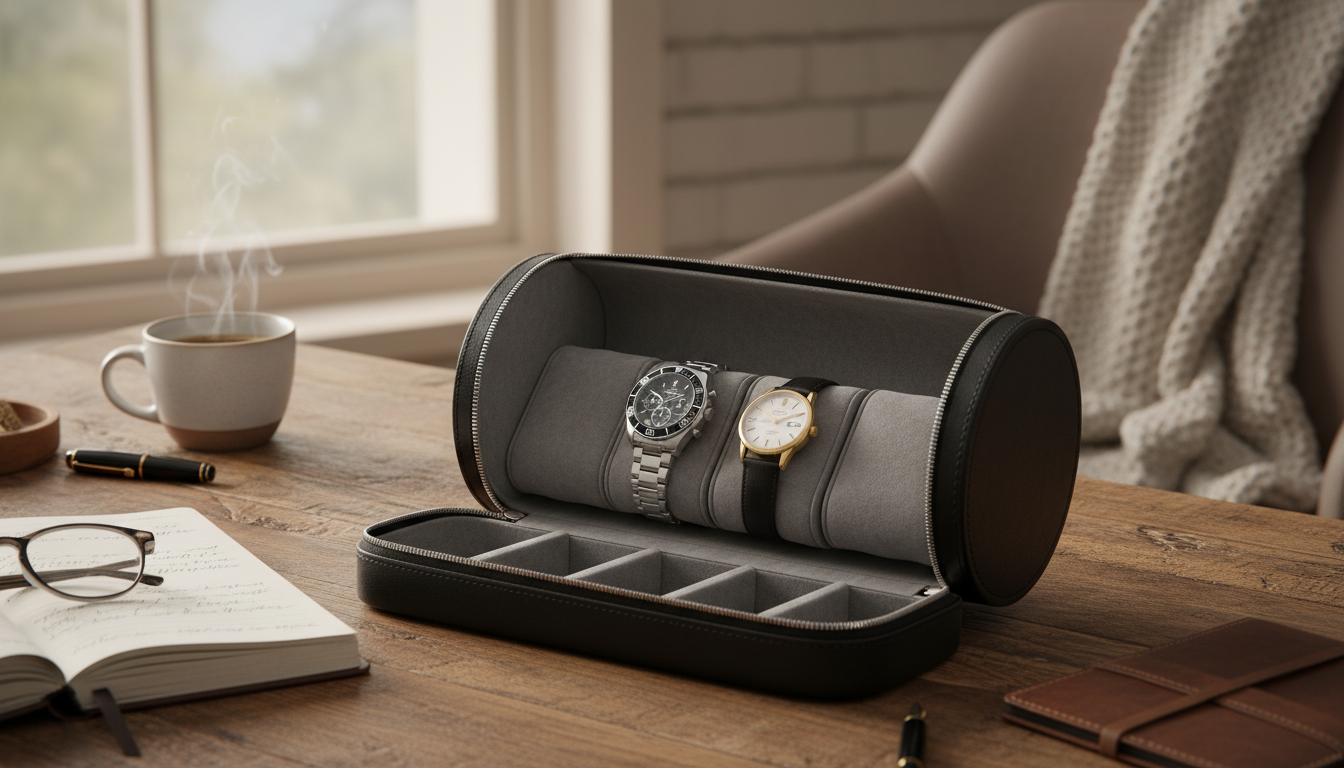
The defining element of a case is its compartment geometry. Five watch slots should stabilize lugs, keep clasps from drifting, and protect the flanks of each piece. A dedicated pillow or formed foam in every bay prevents bracelets from rubbing end-links or buckles from printing on bezels.
| Layout option | Case-specific advantage |
|---|---|
| 5 horizontal slots (2+3 tiers) | Balances weight and keeps crowns alternating to reduce crown-to-caseback contact. |
| 2 lower + lid accessory bay | Stores spring bar tools, extra straps, or cufflinks away from watch faces. |
| All five in a single plane | Fast visual scan; reduces handling when selecting a piece on the go. |
In travel, separation matters more than display. A case’s individual slots keep torque from one watch from transferring to another during sudden stops or takeoff roll.
Exploring broader formats? See the references across watch-focused storage in the wider range of protective cases to understand how multi-slot interiors compare with single or display-first boxes.
Fit is where a case proves its worth. Five bays must accommodate field watches around 38–40 mm, a diver at 42–44 mm, and a smartwatch near 44–49 mm without crown interference. Many cases target smartwatches up to 50–55 mm overall diameter, but verify inner width, pillow circumference, and lid clearance before checkout.
| Fit check | Why it matters in a case |
|---|---|
| Diameter up to 50–55 mm | Ensures large divers or smartwatches sit without compressing crowns against walls. |
| Lug-to-lug length | Longer lugs may need deeper bays to avoid lid contact under load. |
| Bracelet vs. strap behavior | Bracelets hold shape; NATO or rubber compress more and can share space with small accessories. |
Prefer tactile materials with the same protective logic? Browse leather-focused versions that blend a firm core with a smooth exterior, suitable for home storage that still travels well.
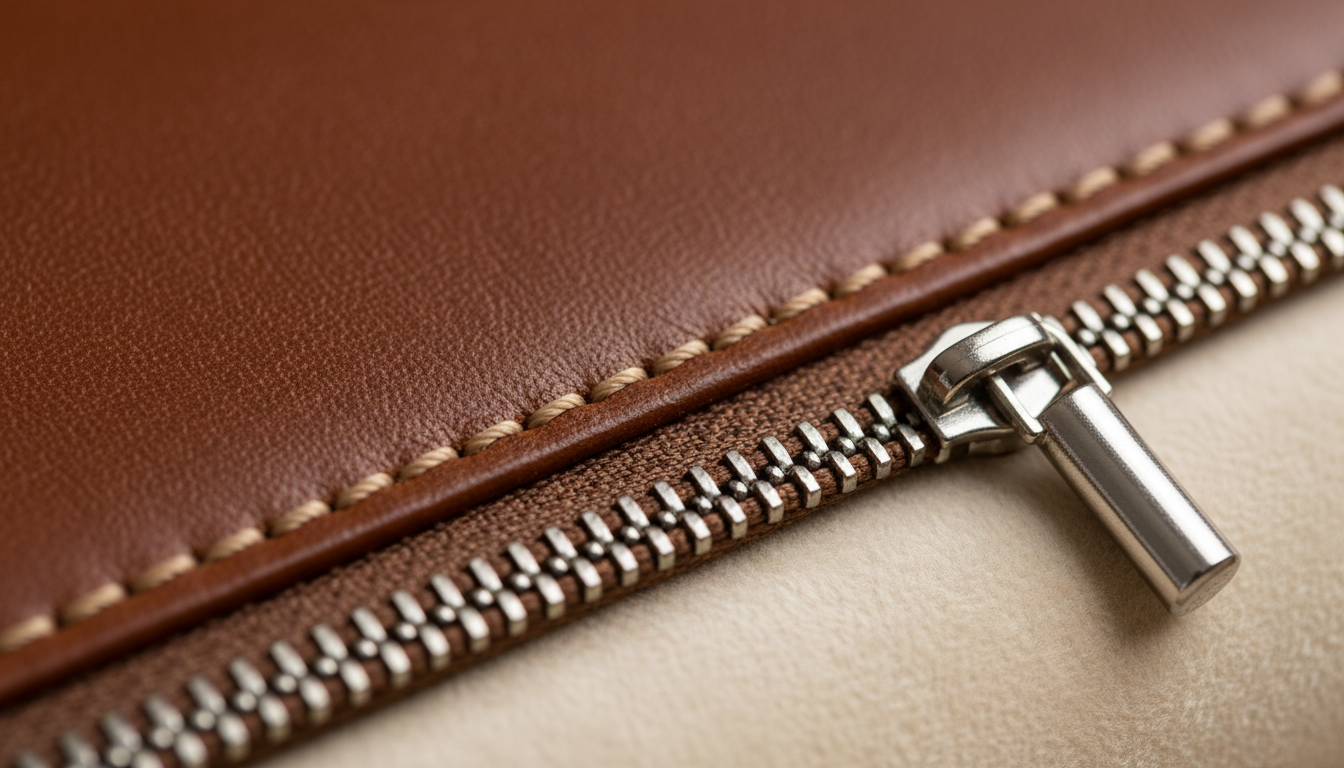
The difference between a case and a simple box is organization. A well-designed lid adds slots for a spring bar tool, spare straps, or cufflinks without letting metal meet metal. Combine that with a recessed, secure zipper track and you have rapid access on the go with minimal risk of abrasion.
| Organizer feature | Case-centric payoff |
|---|---|
| Strap slot in lid | Keeps rubber or NATO straps flat; avoids buckle marks on crystals. |
| Tool bay under panel | Hides spring bar tool tips to prevent scratches. |
| Semi-movable divider | Lets you size a compartment for rings or cufflinks without contact. |
Need fewer slots for lighter trips? Explore compact three-watch formats that use the same case logic with a smaller footprint for carry-on packing.

Focus on the elements that make a case different from rolls or pouches: structure, separation, and controlled access. Use this checklist to narrow options fast.
| Case decision | When to prioritize it |
|---|---|
| Water-resistant sealing | Rain-prone travel; coastal trips; humid environments. |
| Lightweight EVA core | Backpack carry; frequent flights; limited luggage weight. |
| Reinforced PU leather | Home-to-office transport with elevated tactile finish. |
Looking for a five-slot piece with display-first refinement that still follows case principles? Consider a design like a five-watch presentation box when the journey ends at a dresser yet occasional travel is planned.
For shorter trips that use the same case logic in fewer bays, a compact option such as a three-watch leather companion balances portability and structure.
A case uses a rigid body with individual slots, so the lid can’t collapse onto bezels and watches can’t rub. Rolls rely on wrap tension and pouches rely on soft padding; both can compress under load. The case format prioritizes structure, separation, and quick, orderly access.
Five bays enable a full rotation plus a dress or tool watch, with a lid organizer for straps or cufflinks. Singles or 4-slot pieces reduce bulk, but the five-slot case serves collectors who want choice on trips. If you rarely carry five, a four-slot solution like a slim four-watch format may fit better.
Look for soft-touch lining, compressible pillows, and dividers that prevent crown-to-caseback contact. A recessed, protected zipper avoids scraping, while a semi-movable divider in the lid adapts to rings, a spring bar tool, or a small strap-change kit.
Yes—verify the internal width and pillow circumference. Many travel cases state compatibility for smartwatches up to 50–55 mm. If you carry an oversized diver and several smaller pieces, a home base like a five-watch coffer can complement the travel case for at-home rotation.
Close clasps on bracelets around pillows and alternate crown directions slot-to-slot. For straps sized under 6.75 inches, leave the clasp open to avoid over-compressing pillows. Wipe the soft-touch lining with a dry microfiber; avoid solvents that can harden foam or lift dyes.
Function comes first, but a black, grey, tan, or chestnut finish can align with luggage and hide scuffs. Smooth-grain PU cleans quickly; textured surfaces disguise marks. If you prefer a cohesive set, coordinate the case color with other organizers you pack.
Choosing a 5 Watch Travel Case is a decision for structure: a hard-shell body that preserves clearances, a measured slot layout that prevents contact, and an organizer lid that keeps tools and straps tidy. Define your fit window, pick materials that suit your routes, and secure a zipper design built for repeat travel.
If your collection also lives on a desk between trips, pair the case with a home solution such as an automatic winder set to keep mechanical pieces ready. When you’re set on format, select the finish and shell you trust, then pack with confidence.


