


Unboxing a new accessory only to be met by a strong glue smell? You’re not alone. In 2026, readers keep asking for actionable tips that actually work—fast and safely.
In this guide, you’ll get six useful tips to clear the odor without damaging leather, silicone, metal, plastic, fabric, or coated hardware. Each piece of advice is short, mobile-friendly, and easy to apply today.
Faster off‑gassing: simple airflow setup
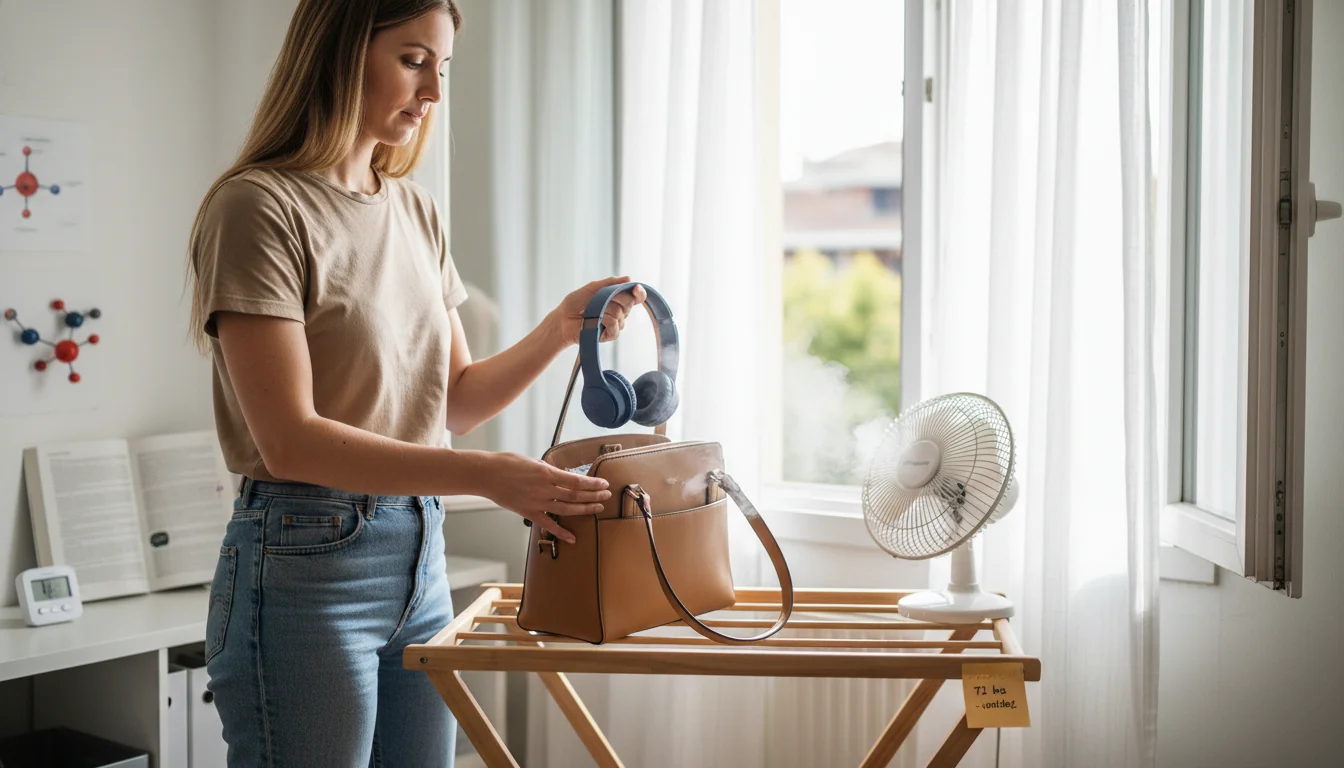
Start with airflow. This first set of tips speeds off‑gassing so the glue smell dissipates in hours, not days. Use gentle circulation and steady ventilation; avoid harsh heat that can warp materials or set odors.
- Stage the item in a ventilated area; crack a window and place a fan to create cross‑breeze.
- Elevate on a rack so air reaches all sides; rotate every few hours for even airing.
- Warm room temperature helps: aim for 77–86°F (25–30°C). Avoid direct sun on dyed fabrics or leather.
- Open pockets, compartments, and closures; the smell often hides inside seams and glue lines.
- If weather permits, air on a shaded balcony for short periods; bring indoors overnight.
Most new‑glue odors fade significantly within 24–72 hours with steady airflow. Pair ventilation with an odor absorber (see below) for faster results.
These airflow tips are safe across materials and form the foundation for everything that follows.
Natural absorbers: baking soda and charcoal
Next, trap the odor. This group of tips uses safe, low‑cost absorbers to neutralize fumes from adhesives, including cyanoacrylates, silicone, contact cements, and epoxy residues.
- Activated charcoal granules in a breathable pouch near the item for 24–48 hours.
- Baking soda in a shallow dish inside a closed bin with the accessory (not directly on leather).
- A small bowl of white vinegar nearby helps reduce ambient odor; don’t splash on sensitive surfaces.
- Silica gel packs reduce humidity, which can carry chemical smell molecules.
| Absorber | Best use / Notes |
|---|---|
| Activated charcoal | Fast, broad‑spectrum odor capture; keep in a pouch to avoid dust transfer. |
| Baking soda | Gentle, great in enclosed bins; avoid direct contact with leather finishes. |
| White vinegar (bowl nearby) | Reduces ambient odor; do not apply on metal finishes or dyes. |
Odor molecules bind readily to porous media. That’s why charcoal and soda outperform scented sprays, which often just mask the smell.
Use these absorbers with the airflow tips above for a one‑two punch: move the fumes out, then trap what remains.
Gentle cleaning: remove surface residues
Sometimes the strong glue smell clings to the surface. These cleaning tips lift residues without harming finishes or trims commonly found in accessories and small gadgets.
- Leather: wipe with a lightly damp soft cloth plus a drop of mild soap; dry immediately.
- Plastic/metal: use a microfiber cloth misted with 70% isopropyl; never soak seams.
- Silicone parts: hand‑wash with warm water and mild dish soap; rinse thoroughly.
- Fabric linings: spot clean; avoid drenching foams or interfacings used in garment construction.
| Material | Safe cleaner (quick guide) |
|---|---|
| Smooth leather | Damp cloth + gentle soap; avoid alcohol and vinegar. |
| Coated textiles | Mild soap solution; blot dry, no heat. |
| ABS/PC plastics | 70% isopropyl on cloth; test first to avoid haze. |
| Silicone parts | Warm water + dish soap; rinse well, air dry. |
Avoid ozone machines and aggressive solvents. They can oxidize metals, dull coatings, and set odors deeper into foams.
Apply these cleaning tips after airing; you’ll remove the last traces that simple ventilation can’t handle.

Smart sealing: isolate hidden glue lines
If the smell comes from a hidden seam or accessory attachment, a light barrier can help. These tips focus on sealing micro‑gaps without altering appearance.
- Identify the seam: sniff near hardware, rivets, glued liners, and press‑fit caps.
- Apply a clear, water‑based sealer sparingly along the inner seam (toothpick‑thin line).
- For fabric trims, consider a fabric‑safe edge sealer to lock fibers and isolate odors.
- Always test in a hidden spot; stop if gloss, color, or hand feel changes.
- Let it cure fully with airflow before closing compartments.
Adhesive odors are volatile organic compounds escaping from a bond line. A micro‑thin barrier often reduces emissions dramatically.
Use this set of tips only when the source is localized; sealing entire surfaces is rarely necessary.
Controlled warmth: safe curing boost
Many glues continue curing after assembly. The following tips use gentle warmth and time to complete curing and reduce odor, while keeping materials safe.
- Create a “warm box”: a ventilated bin with a small fan; place in a warm room.
- Add desiccants (silica gel) to reduce humidity; lower humidity often speeds cure.
- Avoid hair dryers or heat guns; uneven heat risks warping and yellowing.
- For silicone and contact adhesives, patience works—extend airing to a full 72 hours.
If the odor intensifies when the item is closed (e.g., a box or pouch), leave it open between sessions so fumes don’t re‑concentrate.
These curing tips complement ventilation and absorbers, especially for robust glues used on hardware and trims.
Low‑odor fixes: replace or reattach parts
When all else fails, consider a corrective fix. The final set of tips explains how to re‑do small bonds using low‑odor approaches suitable for accessories and press‑on components.
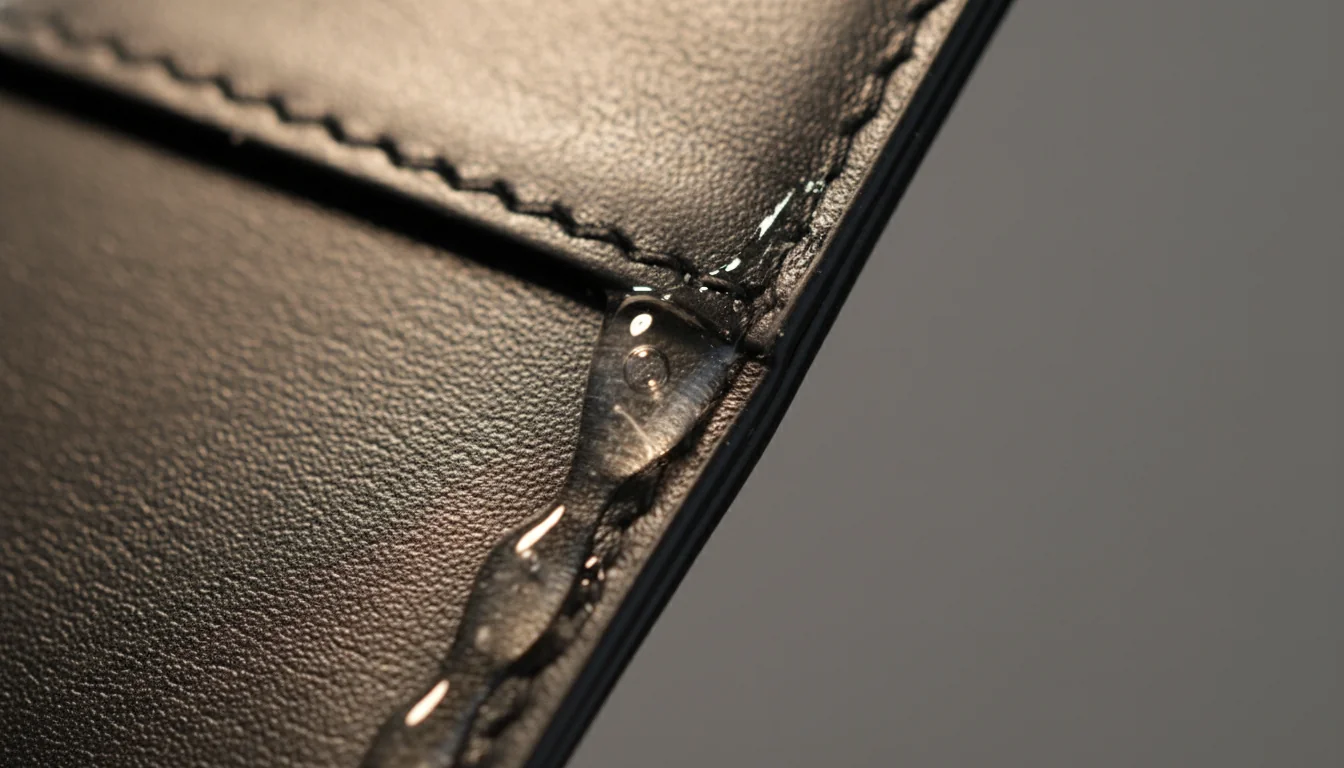
- Remove loose adhesive gently with a plastic scraper; avoid scratching finishes.
- Choose low‑odor, water‑based, or neutral‑cure formulations where compatible.
- Use minimal glue and increase surface area contact; stronger bonds need less product and smell less.
- Clamp or tape lightly until set; keep airflow moving during cure.
- For nails or cosmetic accessories, opt for low‑odor adhesives designed for close‑contact use.
Wear gloves and a mask when working with fresh adhesives. Even low‑odor products release fumes during cure.
These corrective tips are optional; use them only if ventilation, absorbers, and cleaning haven’t solved the problem.
Quick guide: 24‑hour plan to clear odor
- Airflow: place near an open window with a fan for 4–6 hours.
- Absorber: set baking soda and charcoal pouches nearby in a closed bin.
- Surface pass: wipe external surfaces per material guide above.
- Warm box: move to a warm, ventilated bin for the evening.
- Morning check: repeat absorber refresh if any trace remains.
If odor persists after 24 hours, extend the plan to 72 hours and spot‑seal any identified glue line.
Why use practical tips instead of sprays?
Sprays often mask odors. The tips here remove fumes by ventilation, absorption, and curing support. That approach is safer for mixed materials and works on the source, not just the smell.
How do these pointers compare to perfumes?
Perfumes add competing scents and can stain leather or fabric. These tips prioritize odor capture and gentle cleaning, so you avoid residue and protect finishes long‑term.
What are the advantages of the six steps?
They’re material‑safe, low‑cost, and stackable. Airflow, absorbers, gentle cleaning, sealing, warmth, and low‑odor fixes target different stages of glue off‑gassing for reliable results.
Do these recommendations suit leather bags?
Yes. Use ventilation, charcoal nearby, and a light soap wipe. Avoid baking soda directly on leather. If a seam smells, test a clear, water‑based sealer in a hidden spot first.
Can I apply the same tips to silicone cases?
Yes. Wash with mild soap, rinse, and air with absorbers. Silicone can hold scents; patience plus ventilation works. Avoid harsh solvents and stick to warm water cleaning.
What about press‑on accessories and nail items?
Use well‑ventilated spaces, low‑odor adhesives, and small amounts. These tips reduce fume build‑up and help bonds cure fully without strong residual smell.
Is a closet airing strategy effective?
Only if the closet has airflow. Place the item on a shelf with charcoal nearby and keep doors ajar. A small fan improves circulation and speeds results.
A strong glue smell on a new accessory is solvable with steady airflow, safe absorbers, and targeted fixes.
- Ventilate first and pair with charcoal or baking soda.
- Use gentle cleaning per material, then spot‑seal seams if needed.
- Support curing with controlled warmth or low‑odor re‑bonds.
Apply these tips in order, and enjoy your accessory—odor free and undamaged.
0 comments