


If your rubber or silicone bracelet smells strong, you want fixes that actually work, not guesswork. In this 2026 guide, you’ll learn six proven solutions that work for real life—sweat, sunscreen, perfume, and stubborn “new rubber” off‑odors.
What’s causing your strap to reek, and which remedy will work fastest for your material and routine? Get clear steps, safety notes, and a simple upkeep plan that keeps odors away.
Root causes: why fixes work
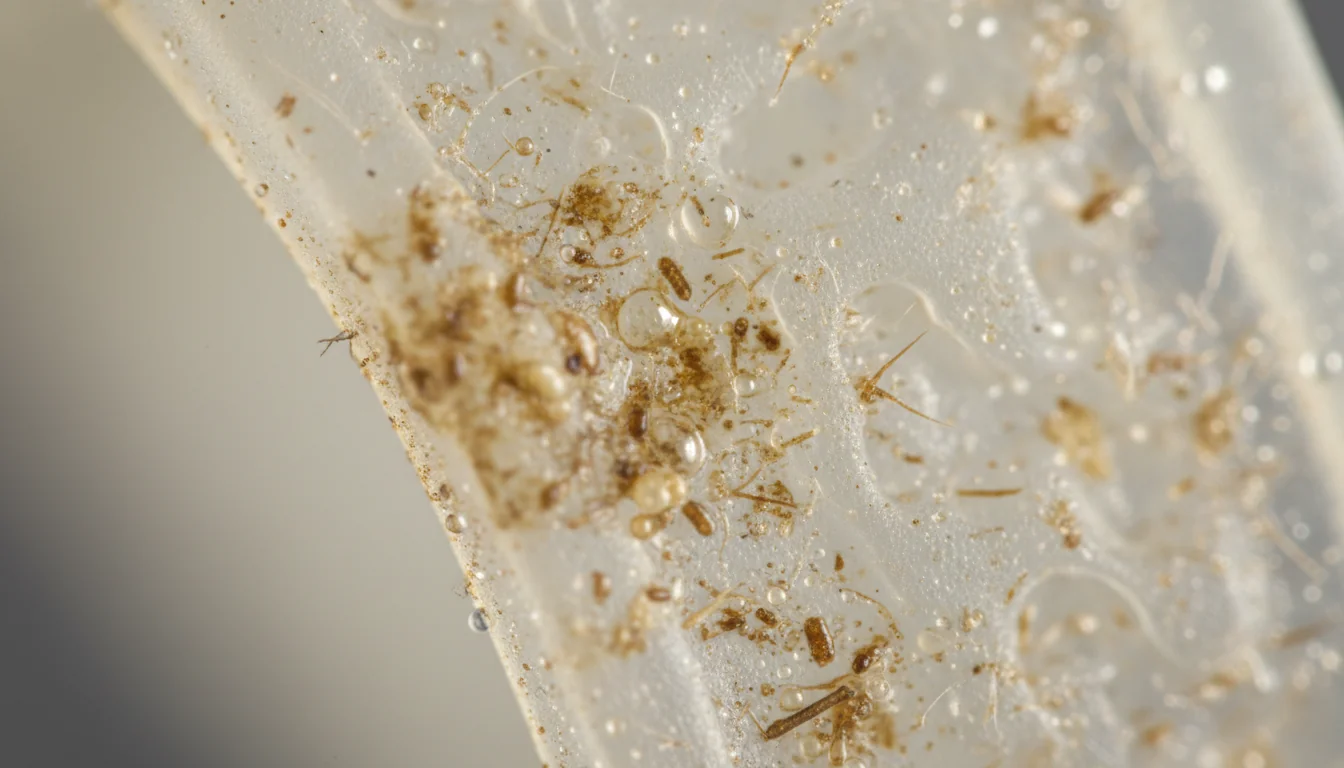
When a wristband smells, the cause dictates what will work. Rubber and silicone are porous at a microscopic scale, so oily molecules cling, and microbes thrive in sweat films trapped under the strap.
- Sweat and skin oils: fatty acids bind to elastomers and keep odor “locked in.”
- Sunscreen and perfume: volatile compounds re‑release as your wrist warms up.
- New‑item off‑gassing: manufacturing residues create a rubber smell that fades slowly.
- Biofilm buildup: bacteria in moist gaps; daily wear makes this worse.
Match the method to the cause. Degreasing works for sweat/oil. Adsorbents work for strong new-rubber odor. Heat can work for pure silicone only.
Your goal is simple: choose the intervention that targets the molecules involved. That’s how you make each solution work with less time and fewer repeats.
Oils need surfactants, volatile odors need heat or adsorption, and microbes need cleaning plus thorough drying to stop working.

Fast cleanup: make washing work
Start with a deep clean that removes the residue layer. This is the baseline that makes any other method work better and last longer.
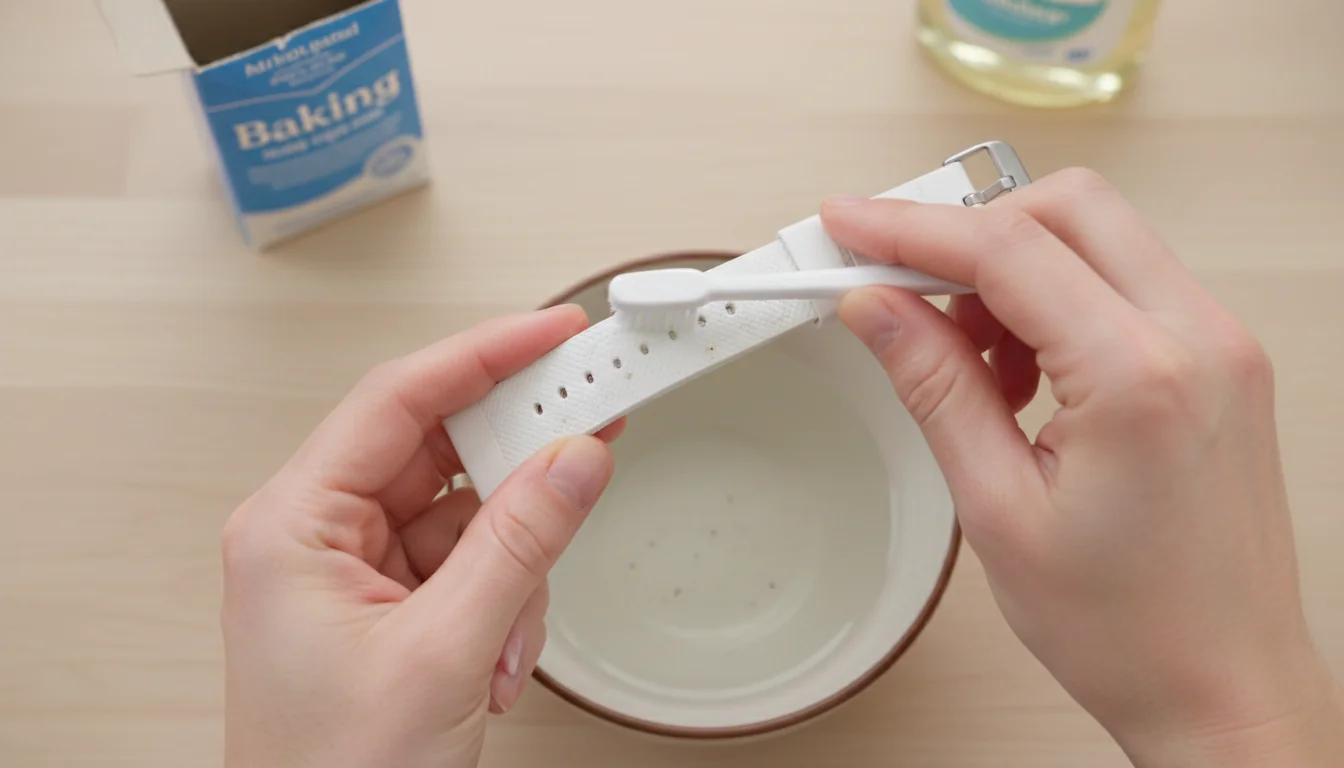
- Warm water + mild soap: use a non‑abrasive cloth and soft brush for the strap texture and buckle gaps.
- Rinse well: residual soap can trap new particles and keep odors working.
- Dry fully: pat with a lint‑free cloth; air‑dry until no moisture remains under the band.
- Optional disinfecting: 70% isopropyl wipe on the exterior only; avoid bleach or hydrogen peroxide.
Remove the strap from the watch head. This exposes edges and slots where sweat films work their way in.
If odor persists after a thorough wash, step up to a soaker that targets oils more aggressively yet remains strap‑safe.
- Enzyme soak: 1 tsp (5 mL) enzyme detergent in 1 cup (250 mL) warm water for 15–20 minutes; rinse and dry. Enzymes break down sweat proteins that keep smells working.
- Oxygen booster: dilute per label; short soak for silicone or NBR rubber. Rinse very well to stop residue from re‑smelling when warm.
Avoid strong solvents and abrasive powders on bands; they can degrade coatings and make rubber sticky, which traps more odor and stops other fixes from working.
Deodorize now: household methods that work
For many straps, gentle acids and bases neutralize odor molecules fast. These at‑home fixes work best after a primary wash.
- Baking soda bath: 2 tbsp in 500 mL warm water; soak 30 minutes. Rinse thoroughly. Alkalinity neutralizes acidic sweat byproducts.
- Vinegar rinse: 1:1 white vinegar and water for 10–15 minutes. Follow with plain water and full drying. Effective for perfume residues.
- Soda paste spot‑treat: make a paste, apply to smelly zones under the lugs; wait 15 minutes; brush and rinse.
- Alcohol wipe: quick degreasing on silicone surfaces; test first on a hidden spot of colored bands.
Smell transfer that plagues silicone kitchenware behaves similarly on silicone bands. Neutralizing rinses work by shifting pH and dislodging odor particles.
These methods work because they alter the chemistry of odorants and lift oils. If a strong odor lingers with no visible grime, move to adsorption or heat (for pure silicone only).
Tough cases: adsorbents and heat that work
When standard cleaning doesn’t work, remove odor at the source by pulling molecules out of the material or by safely volatilizing them.
- Activated charcoal: place the dry band in a sealed box with odor absorber bags for 24–72 hours. Charcoal adsorbs VOCs behind strong rubber smells.
- Drying cycle: sun + airflow for several hours; UV and heat drive off volatiles. Rotate the strap so inner surfaces get light.
- Low‑heat bake (silicone only): if—and only if—your item is 100% silicone and heat‑rated, 120 °C/250 °F for 20–40 minutes can work to off‑gas odors.
| Odor source | Method that tends to work |
|---|---|
| New‑rubber off‑gassing | Charcoal box + sun cycle |
| Perfume/sunscreen residue | Enzyme wash + vinegar rinse |
| Sweat biofilm | Soap scrub + alcohol wipe |
| Pure silicone lingering odor | Low‑heat bake (if rated) |
Do not oven‑heat mixed materials (rubber blends, glued parts, metal inserts). Heat may damage components and make future cleaning stop working.
Its porous structure traps odor molecules instead of masking them. Reactivate bags by placing them in sunlight to keep them working longer.
Daily habits: keep freshness working
Odor control is not a one‑time job. A short routine stops sweat films from forming and keeps every deep clean working for weeks.
- Rinse after workouts: fresh water removes salts before they start to smell.
- Dry the wrist and band: moisture lets microbes work; pat dry under the strap.
- Give your skin a break: remove the band for an hour daily to avoid irritation.
- Avoid spraying perfume on the wrist where your strap sits.
- Weekly quick clean: soap, rinse, dry; charcoal overnight if odors reappear.
Wear it not too tight. A slight gap lets air circulate and reduces the sweat layer that makes odors work harder.
If you notice redness or itching under the band, consult a trusted medical encyclopedia entry on contact dermatitis and seek clinical advice before resuming wear.
Limits: when fixes don’t work
Sometimes, no method will work because the material itself is breaking down. Knowing the signs saves time and protects your skin.
- Persistent stickiness: degraded coatings on “soft‑touch” rubber trap odor; replacement is the only lasting fix.
- Cracks or chalking: elastomer aging releases volatiles that keep smelling strong.
- Irritation on contact: consider latex sensitivity or nickel in metal hardware; switch materials.
- Embedded moldy scent: if adsorbents and enzyme soaks fail, retire the strap.
Latex allergy and allergic contact dermatitis can mimic “odor problems.” If symptoms persist, stop wearing the band and consult a clinician.
NBR (nitrile) and pure silicone tolerate washing well. Blends with soft coatings tend to get sticky; deodorizing rarely works once tackiness starts.
Quick guide: 6 solutions that work
- Soap scrub: warm water, mild soap, soft brush. Rinse and dry.
- Enzyme soak: 1 tsp in 1 cup warm water, 15–20 minutes; rinse.
- Baking soda bath: 2 tbsp in 500 mL water, 30 minutes; rinse.
- Vinegar rinse: 1:1 mix, 10–15 minutes; rinse and dry.
- Activated charcoal: sealed box, 24–72 hours to let adsorption work.
- Low‑heat bake: only for heat‑rated silicone, 250 °F for 20–40 minutes.
Don’t mix methods at once. Let one approach work fully, rinse, dry, then try the next if needed.
Why choose these six fixes?
They target odor chemistry directly. Washing and enzymes remove oils. Vinegar and baking soda neutralize residues. Charcoal pulls volatiles. Low heat can work for pure silicone to drive odors off safely.
How do these compare to sprays?
Deodorizing sprays often mask scents. The methods here work by removal or adsorption. If you must use a spray, choose fragrance‑free and test; films can stop other solutions from working later.
Will they damage my watch strap?
Used as directed, no. Avoid strong solvents, abrasives, and bleach. Only heat pure silicone that’s labeled heat‑safe. When unsure, start with the mildest method that still works.
Do they work on nylon or leather?
This guide focuses on rubber and silicone. For everything else: nylon prefers mild soap and fast drying; leather needs specialized care and no soaking. Different materials work with different care rules.
How often should I clean bands?
Quick rinse after sweat, weekly wash for routine wear. If you smell a strong odor, run one full solution cycle. Maintenance keeps every fix working noticeably longer.
What if the smell returns in days?
Check fit and drying. A tight strap traps moisture and lets microbes work again. Add overnight charcoal once a week until the baseline odor fades.
Is skin irritation related to the odor?
Sometimes. Trapped sweat and residues can irritate. If redness, itching, or blisters appear, stop wearing the band. Follow medical guidance for contact dermatitis before resuming use.
A rubber bracelet that smells strong isn’t a lost cause. Match the odor to the right method, and each fix will work faster and last longer.
- Clean first; neutralize or adsorb second.
- Use heat only on pure silicone that’s rated safe.
- Lock in results with drying and weekly care.
Apply one solution today, observe what works, and build a simple routine that keeps your strap fresh in 2026 and beyond.
Information here is practical and material‑focused. Always test in a hidden area first. Product details can change; verify care guidance on your strap before you start.
0 comments