


Velvety and refined, nubuck leather attracts attention—yet its constraints often decide whether it suits your life. Are you weighing nubuck against suede or smooth leather for footwear, bags, or upholstery?
In this 2026 guide, you’ll get a crisp definition, the real advantages, and the key drawbacks that matter in daily use. We’ll translate these limitations into practical choices, clear care routines, and fail‑safe checks so you can avoid avoidable damage from day one.
Material basics: where issues start
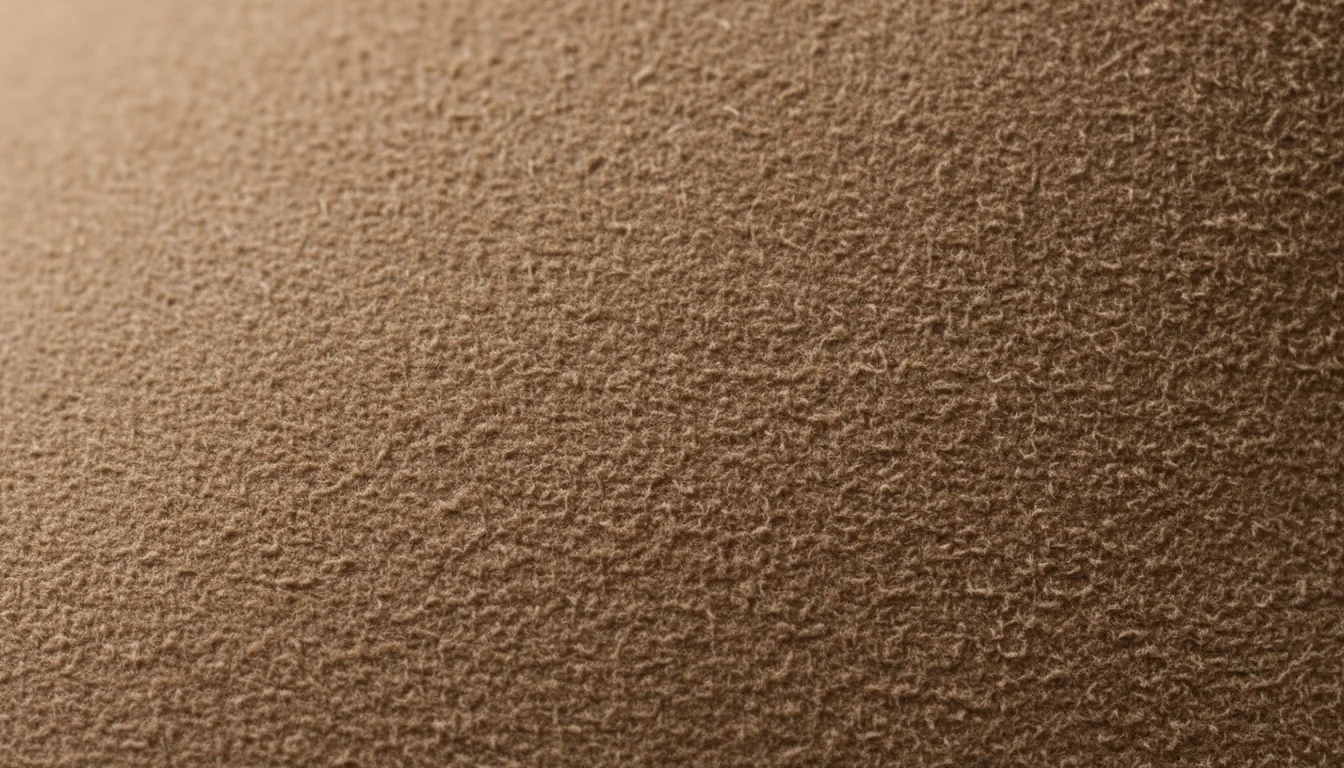
Nubuck is top‑grain lightly sanded on the hair side to create a fine nap. Suede, by contrast, is usually the split or flesh side with a deeper, fuzzier pile. That structural difference explains many of nubuck’s limitations before you ever wear it.
- Compared with suede: shorter nap, a touch firmer, better tear strength—yet still porous.
- Compared with smooth full‑grain: more tactile, but more prone to stain, darken, and absorb liquids.
- Typical finish: often aniline or lightly pigmented; beautiful color depth, lower surface protection.
- Resulting constraint: open pores + nap = rapid wicking of water, oils, and dyes.
Do the “nap test”: brush in both directions. Nubuck shows subtle shading and feels velvety but tighter than suede. This quick check helps you set care expectations early.
Understanding this build explains core limitations: sensitivity to rain, salt, oil, and color transfer. It also clarifies why some people confuse nubuck with suede leather—yet treat them differently.

Water and stains: minimize damage
Because the grain is abraded, nubuck drinks liquids fast. Aniline or semi‑aniline finishes maintain beauty but lower barrier strength. This creates daily‑life limitations: rain marks, oil darkening, and salt rings on winter streets.
- Rain exposure: cloudy tide marks and dark patches can set within minutes.
- Oils/food: grease penetrates; talc or corn starch helps only if applied fast.
- Salt/grit: winter residue etches pale halos that require careful lifting.
- Dye migration: dark denim can transfer; light nubuck shows it immediately.
Dry at room temperature, never over heat. Stuff with paper, allow 24–48 hours, and brush only when fully dry. Heat bakes in stains and stiffens the nap.
| Everyday exposure | Nubuck caveat |
|---|---|
| Showers or wet sidewalks | Water spots; use a silicone‑free protector and avoid heavy rain. |
| Oily kitchens, city grime | Grease absorption; dust talc fast, then brush after 12–24 h. |
| Public transport, denim rub | Color transfer; choose darker hues or pre‑treat thoroughly. |
Semi‑aniline nubuck is a touch more forgiving but can still show halos. Pigmented topcoats help, yet reduce tactile richness.
If your climate is persistently wet, this moisture sensitivity is a decisive limitation. Consider smooth full‑grain for rain days or carry a compact cover for nubuck leather boots.
Abrasion zones: extend lifespan
Nubuck’s nap compacts with friction. Edges, seams, cuffs, and heel counters polish shiny over time. While stronger than suede leather, it still has usage constraints in high‑wear areas.
- Footwear: toe bumpers and heel backs scuff; choose rubber guards or mixed‑material panels.
- Bags: corners abrade; reinforce with smooth leather on stress points.
- Jackets: sleeve hems and cuffs glaze; rotate wear and brush post‑use.
- Hiking shoes: mud + grit = sandpaper; favor raised rubber rands and quick cleaning.
Nubuck retains some grain‑side strength, but once the nap flattens, sheen highlights wear. Gentle brass or crepe brushing can revive texture—moderation is key.
If your routine brings constant contact—subway turnstiles, office desks, or trail debris—this wear pattern becomes a practical limitation you must plan around.

Colorfastness: reduce fading risk
UV light is unforgiving. Aniline‑dyed nubuck, prized for depth, can fade or shift unevenly. Light shades show dirt and denim rub; dark shades show dust and salt. Color resilience is a frequent limitation indoors and out.
- Keep away from windows or use UV films; rotate items on display shelves.
- For upholstery, prefer mid‑tone colors; extremes magnify blemishes.
- Perform a white‑cloth rub test on hidden spots to gauge dye transfer.
- Choose lightly pigmented nubuck if rub‑off is a deal‑breaker.
UV fading accelerates in dry, bright rooms. Maintain relative humidity around 45–55% and avoid all‑day sun exposure.
If a consistent, uniform color is critical, this variability is a strong constraint. Smooth, protected leathers or technical fabrics may suit you better.
Care workload: plan upkeep
Nubuck asks for regular attention. The routine is simple, but skipping it compounds damage. This ongoing effort is a meaningful limitation for busy users and high‑traffic homes.
- Post‑use: quick dry brush (60–90 seconds) to lift dust and re‑align fibers.
- Protection: silicone‑free spray every 6–8 wears or monthly; light coats only.
- Spot work: eraser block for dry marks; talc for oil; avoid water flooding.
- Storage: shoe trees for boots; breathable bags for accessories.
Soapy water, vigorous scrubbing, or thick waxes designed for smooth leather. These flatten the nap and can set stains.
For upholstery, multiply this workload: children, pets, and light sofas create ongoing maintenance. That reality can be the deciding limitation for your space.
Fit to task: choose wisely
Match the material to the mission. Nubuck excels in tactile accessories and casual boots, yet shows clear constraints in constant moisture, grit, or heavy friction scenarios.
- Great fits: urban boots with rubber soles, cross‑body bags, weekend jackets, accent chairs away from windows.
- Poor fits: monsoon commutes, beach towns, kid‑and‑pet sofas, gravel trails without protective rands.
- Alternatives: smooth full‑grain for rain; microfibre or PU leather for easy‑clean; faux suede for water resistance.
- Trade‑offs: alternatives reduce upkeep but may limit breathability or long‑term feel.
Ask: Will this item often meet water, oil, or grit? If yes, nubuck’s constraints may outweigh its touch and look for that role.
In 2026, many shoppers compare nubuck vs suede vs smooth leather. Your best pick depends less on aesthetics than on real‑world limits you expect to face.
Quick care guide: avoid common pitfalls
- Brush dry: use nubuck/suede brush after each wear to lift dust and nap.
- Protect: apply light, silicone‑free spray in two thin coats; let each dry 20 minutes.
- Dry right: if wet, stuff with paper, air‑dry 24–48 hours; no heaters.
- Lift stains: eraser for dry marks; talc for oil; vacuum residue; re‑brush.
- Review: reassess protection every month; re‑apply if water stops beading.
Over‑brushing with hard metal bristles creates shiny patches. Use a crepe brush first; reserve brass for stubborn, small areas.
This sequence reduces nubuck’s limitations without turning care into a chore. Save it in your “Practical advice & expertise” folder.
What exactly is nubuck leather?
Nubuck is top‑grain leather sanded on the grain side for a soft, velvety feel. It keeps more strength than suede, but the nap increases porosity, bringing distinct constraints around water and stains.
How does nubuck differ from suede?
Suede comes from the split/flesh side with a shaggier nap. Nubuck is grain‑side buffed: tighter nap, slightly tougher. Both are absorbent; nubuck’s downsides lean more to water marks and glazing under friction.
What are nubuck’s main downsides?
Sensitivity to water, oil darkening, UV fading, and nap flattening in high‑wear zones. The care workload is the recurring limitation most people underestimate.
Is nubuck OK for hiking or wet climates?
Use with caution. Favor rubber soles, raised rands, and pre‑treatments. In frequent rain, smooth full‑grain or technical uppers outclass nubuck’s moisture weaknesses.
What are the disadvantages of suede?
Suede’s thin, open structure means higher fragility, faster soiling, and poor water tolerance. It feels softer than nubuck but offers less resistance to scuffs and tears.
How do I remove oil stains safely?
Blot, apply talc/corn starch generously, wait 12–24 hours, then vacuum and brush. Repeat if needed. Avoid liquid detergents; they spread the stain and fix the nap flat.
Does PU leather or faux suede avoid these issues?
Often easier to clean and more water‑resistant, yes. The trade‑off is breathability and tactile depth. Pick synthetics when low maintenance outweighs nubuck’s sensory appeal.
Any upholstery‑specific watch‑outs?
Keep away from windows, kitchens, and kids’ play zones. Mid‑tones hide marks best. Establish brushing, blotting, and monthly protection; this mitigates the material’s constraints at home.
Nubuck leather blends tactile luxury with real‑world caveats; its beauty shines when you respect those limits and set routines that work for you.
- Porosity drives water, oil, and dye challenges—plan protection.
- High‑friction and UV exposure reveal wear and fading quickly.
- Regular brushing and light re‑proofing curb long‑term damage.
Use this definition‑plus‑care lens to enjoy nubuck’s texture while sidestepping its limitations—confidently and consistently.
0 comments