


Moving house is messy; transit is where watches often get scratched, magnetized, or misplaced. Where should they actually live while everything is in motion?
This 2026 guide shows you exactly where to keep each type of watch during transit, how to build shock-proof layers, what to do in vehicles or planes, and how to prevent theft, heat, and moisture damage.
Risk map in transit: what changes
When cabinets slide and straps snag, in-motion hazards multiply. Map the threats so you can decide where each watch belongs during the journey.
- Shock and vibration: potholes, door slams, stack shifts in vans or pods.
- Heat and cold: trunks and attics swing beyond 15–25°C; oils can thin or thicken.
- Humidity: condensation in rainy load-outs, or in containerized moves.
- Magnetism: speakers, clasp magnets, and some toolboxes can nudge accuracy.
- Theft risk: chaotic access points and visible cases attract attention.
In many cities, parked vehicles face 72 hours maximum rules and tow-away windows. Never store watch cases in an unattended car during extended stops.
| Hiding place during transit | Risk level and notes |
|---|---|
| On-person (inner jacket pocket) | Low theft risk if discreet; best for 1–2 pieces. Mind sweat and bumps. |
| Car glove box / center console | Moderate heat, moderate theft. Only with additional lock and concealment. |
| Anchored lockbox on vehicle floor | Lower risk: stable, shaded, less visible; still avoid overnight parking. |
| Moving box near truck doors | High jolt risk, easy to grab. Not recommended for valuables. |
In 2026, more carriers document “shipper-packed” exceptions. If a watch is loose in a box, claims are often denied. Pack like a pro from the start.
Use this risk map to assign each piece to the right location before any box leaves the hallway.

Packing for transit: resist shocks
Layers matter more than labels. Build a nest that limits motion in transit and spreads impact across foams, wraps, and dividers.
- Wrap head to toe: soft microfiber sleeve, then bubble wrap, then a snug slot.
- Clamp the crown: gently seat the crown; avoid date changes around midnight.
- Bracelets off: bag straps separately to stop hairlines on lugs and bezels.
- Desiccant in: 10–20 g silica gel per case to keep humidity in check.
- Fill voids: no rattle, no gaps. Void = momentum in a sudden stop.
Label inner pouches with a fine marker. If a slot opens in transit, you’ll know exactly what to account for.
Keep automatic rotors from free-spinning by immobilizing the head with snug padding in each slot.
In-vehicle transit: safest hiding zones
If you must carry watches in a vehicle, location is everything. Aim low, centered, and concealed to reduce heat, shock, and visibility during transit.
- Floor well between seats: stable, shaded, cushioned by luggage.
- Avoid door pockets/glass-line areas: smash-and-grab exposure is high.
- Never on top of boxes: higher fall energy, easier to spot in transit.
- If anchoring a lockbox: bolt or cable to seat frame to limit opportunistic theft.
Do not leave valuables in a parked vehicle overnight. Tow-away zones and break-ins peak during moves.
Keep a written inventory and a phone photo of the case layout so a quick glance confirms nothing shifted mid-journey.

Air and carrier transit: hand-carry rules
Flying or using a third-party carrier? Treat watches as personal valuables. Hand-carry whenever possible and be ready for inspections during transit.
- Keep cases accessible: inspectors may ask to see inside, so avoid dense tape.
- Separate metals: lay pieces in a single layer to pass screenings quickly.
- Document: serials, photos, and a simple spreadsheet for chain-of-custody.
- Insurance: confirm “in transit” coverage and proof requirements before you fly.
Most policies distinguish household goods from personal valuables. Ask if watches are scheduled items in transit.
On crowded routes, move watches through checkpoints yourself, not in bins that roll ahead out of sight.
Smartwatches in transit: power and privacy
Digital watches add two extra layers during transit: battery management and data security. Treat them like small electronics.
- Power: charge fully; carry the cable in a labeled pouch.
- Lock screen: PIN and notification privacy on, in case a case opens.
- Airplane mode: reduce pings and accidental touches mid-journey.
- Desiccant: electronics dislike damp; add 10 g gel per pouch.
Rename your device to something non-identifiable before transit to reduce targeted theft if it’s seen on Bluetooth scans.
If you must pack a charger brick near analogs, isolate it so metals don’t rub in motion.
Overnight transit: pauses and climates
Multi-day relocations add hotel stops and weather shifts. Use each pause in transit to reset protection and re-check inventory.
- Bring watches indoors: use a room safe, not a vehicle.
- Ventilate: if cases feel cool and clammy, crack open for 15 minutes in a dry room.
- Rotate desiccants: swap any gel packs showing color change.
- Quick inspection: crystal, crown, clasp; log “OK” or “check” in notes.
Do not run winders inside moving vehicles. Vibration plus rotation is a double stress during transit.
Keep the itinerary handy. If a pause gets shorter or longer, adjust storage choices accordingly.
How to prepare watches for moving day (2026)
Before anything leaves the dresser, set up your dedicated case to stay controlled during transit.
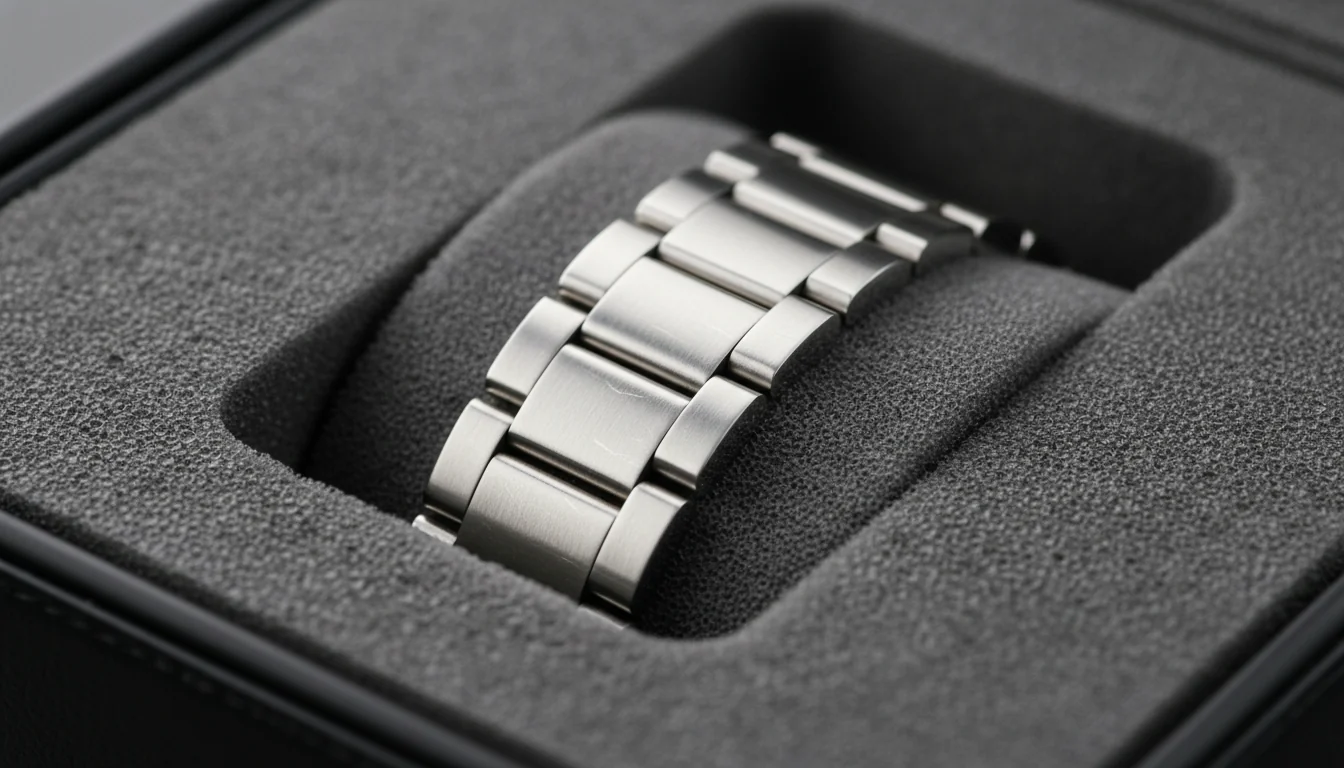
A compact four-slot case keeps weight low and slots tight. For example, consider a slim four-watch organizer to keep movement minimal while on the move.
- Photograph each watch front/back and note serials.
- Wrap in microfiber, then bubble; seat snug in the slot.
- Add 10–20 g desiccant; label the case and owner’s phone.
- Place the case low in the vehicle or hand-carry.
- Record the case location in your move checklist.
Assign a “watch custodian” for the day. One person tracks the case through every transit hand-off.
Don’t bury the watch case behind heavy furniture. If movers unload first, visibility and handling risks spike during transit.
Where should watches stay during the move?
Hand-carry in a slim case or keep them low, concealed in the vehicle. A compact five-slot format like this travel-ready layout keeps weight centered and access controlled while in transit.
Is packing them in a regular moving box safe in transit?
Not ideal. Mixed items create shock points and invite theft when doors open. Use a dedicated watch case, then place that case in a concealed, stable vehicle zone for the journey.
Is a vehicle lockbox worth it for transit?
Yes, when anchored. An under-seat, lockable format like a discreet eight-slot lockbox reduces smash-and-grab and limits case travel during hard braking in transit.
How do I protect automatics while on the road?
Immobilize the head with snug padding so the rotor doesn’t spin freely. Do not run winders inside a moving vehicle; vibration plus rotation is unnecessary stress during transit.
What about straps, tools, and smartwatch chargers?
Bag and label them separately to prevent scratches. An eight-slot soft pouch like a multi-compartment travel sleeve keeps metal off glass and cables tidy in transit.
Should I insure watches specifically for the journey?
Yes. Confirm “in transit” coverage, required documentation, and valuation. Photograph each piece and keep a simple spreadsheet of serials and assigned case slots.
Any red flags with moving help handling valuables?
If pressured for large cash deposits or vague contracts, keep watches under your control. Stick to clear, written terms and avoid handing over small valuables during transit.
In short: plan the location, build the layers, and control access. The right hiding place during transit protects both integrity and peace of mind.
- Keep watches on you or anchored low and concealed.
- Pack snug: wrap, slot, desiccant, and zero voids.
- Use winders only when stationary; a quiet four-watch unit like a compact winder is for hotel nights or post-move, not in motion.
Apply this 2026 playbook and your watches will arrive ready to set, strap, and wear.
0 comments