


Want a hidden safe spot that stays invisible yet truly secure? In 2026, thieves, moisture, and fire risks demand more than a cute hidey-hole. You need a plan that keeps valuables concealed and controlled.
This guide shows you how to create a discreet hide properly secured—from location strategy and anchoring to camouflage that won’t betray you under stress. Ready to protect your home quietly and securely?
Threat modeling: pick smarter spots
Creating a discreet hide begins with understanding how intruders search. Most head first to primary bedrooms and obvious drawers. Your goal is to place a safe spot where traffic is low, access is quick for you, and discovery is unlikely.
- Prioritize low-traffic zones: a study corner, a laundry cabinet, or a guest closet.
- Avoid predictable areas: the master closet, top dresser drawers, under the mattress.
- Keep distance from heat sources: kitchens, fireplaces, hot garages.
- Plan a 30–60 second personal access route in low light.
- Select locations that allow you to anchor hardware to floor or wall.
Think like an intruder with five minutes to spend. Anything obvious, portable, or noisy to open is risky. Low-profile placement wins.
By selecting a site with low visibility and solid structure, you set the stage to lock it down securely later.

Camouflage that survives scrutiny
Concealment fails when it looks staged. The best disguise blends with surrounding patterns and daily clutter, yet allows you fast, quiet access under stress.
- Between-studs cavities with a silent panel or vent-style cover.
- False-backs in cabinets or drawers with invisible seams.
- Mirror or panel fronts that match trim lines and paint sheen.
- Heavy furniture backers, provided the core is anchored behind.
- Floor recesses under rug edges, using moisture barriers.
Discrete hinges, magnetic latches, and matching paint micro-sheen do more than hide: they make the disguise believable under close inspection.
A good hide looks boring. Avoid symmetry that screams “secret panel,” loud magnets, or seams misaligned with existing carpentry. Keep it quietly secure, not theatrical.
Anchoring and access: harden the core
Concealment is only half the equation. If your container can be lifted, a thief may take the entire unit. Anchor and control access so your valuables stay protected even if discovered.
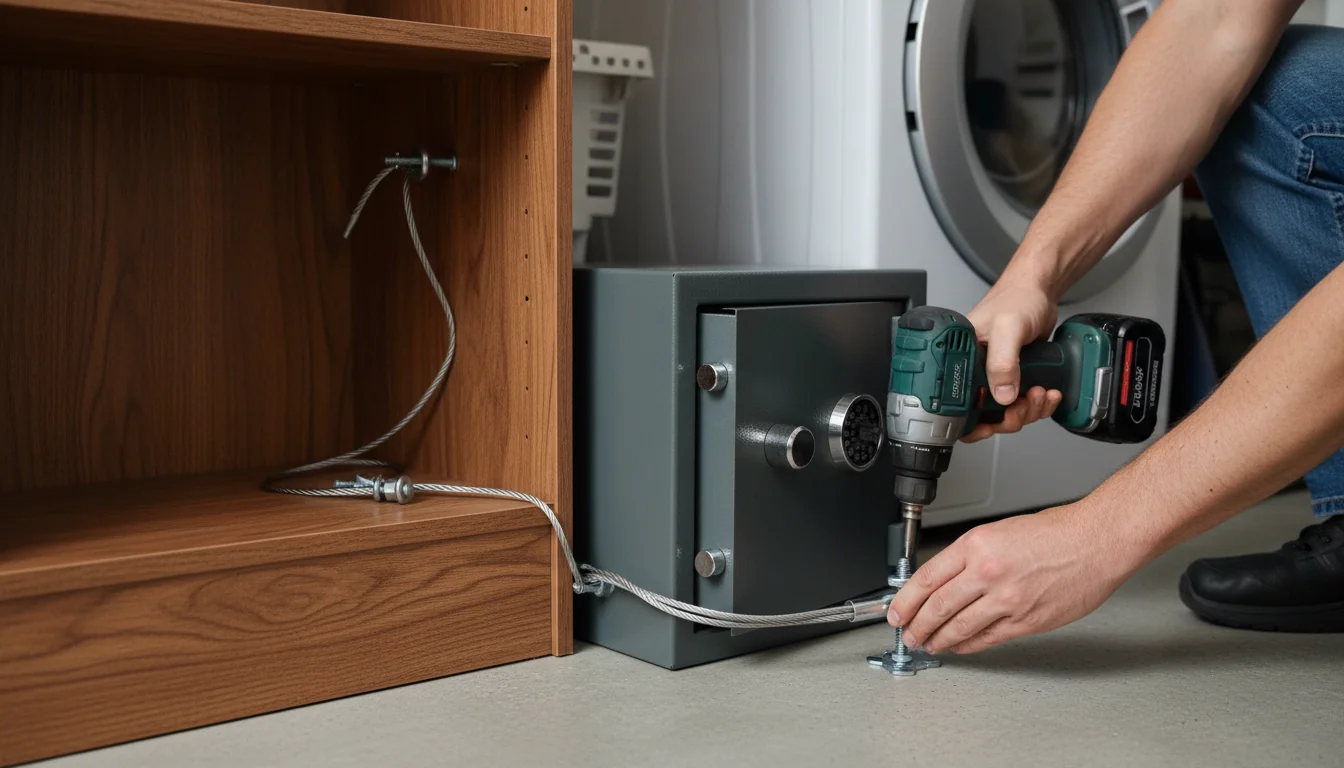
- Bolt to floor or wall through framing or concrete with rated anchors.
- Use tamper-resistant hardware and backer plates where possible.
- Choose locks you can operate reliably in the dark (mechanical dial, keypad, or biometric).
- Silence matters: avoid loud latches and beeps; disable chimes.
- If weight is low, combine anchoring with concealment and decoys.
Never anchor into plumbing, wiring, or HVAC. Use a stud finder and mark safe zones before drilling.
A hidden space that’s anchored and quick for you to open is far more secure than a flashy disguise that lifts out in seconds.
Fire, moisture, and data resilience
Burglary risk often outpaces fire, yet heat, smoke, and water still destroy valuables. Design the hide to control these hazards without revealing its location.
- Place away from kitchens, fireplaces, and garages where fires start.
- Favor inside corners of exterior walls (cooler zones during fires).
- Use desiccants or a mini dehumidifier; seal paper in waterproof sleeves.
- For floor recesses, add vapor barriers and rust-resistant hardware.
- Keep digital backups offsite and inventory photos in your phone’s secure folder.
If you store documents, target a container with a verified fire rating and protect contents in zip pouches. Humidity control is essential for photos and jewelry.
Environmental protection keeps your hide effective long term, so it remains quietly secure day after day.
Layers: decoys, habits, and signals
Layers matter. A concealed, anchored core plus decoys and good habits significantly reduce loss. Think beyond hardware to how people search and what they notice.
- Use a low-value decoy safe in a predictable place to mislead quick searches.
- Split assets across two or three hides to avoid single-point loss.
- Avoid routines that reveal access (never open it with visitors nearby).
- Control noise and light spill when accessing at night.
- Keep codes and keys in your secure folder, not written on paper.
Most break-ins are fast. Decoys and dispersion exploit time pressure, while your true hide stays quietly protected.
These small habits help your hidden spot remain secure without drawing attention.
Risky places to avoid outright
Some locations practically invite discovery or damage. Avoid them even if they seem convenient or clever at first glance.
- Master bedrooms: first stop for quick searches.
- Near doors and windows: fast-grab areas under initial entry.
- Unbolted portable safes: the whole unit can disappear.
- Medicine cabinets and freezer stashes: overused, now expected.
- Damp basements without moisture control: slow damage risk.
| Location idea | Key risk to control |
|---|---|
| Between studs behind a panel | Seam alignment; anchor to studs; silent access |
| Floor recess under a rug | Moisture ingress; vapor barrier; lid strength |
| Back of a heavy bookcase | Tip hazard; wall anchors; cable management |
Don’t modify live electrical boxes or vents. Build faux versions instead, and label hidden infrastructure for future maintenance.
How to build it securely: quick-start steps
- Map threats and pick a low-traffic, anchor-ready location.
- Create a believable disguise that matches trim and paint.
- Anchor the container to floor or studs with rated hardware.
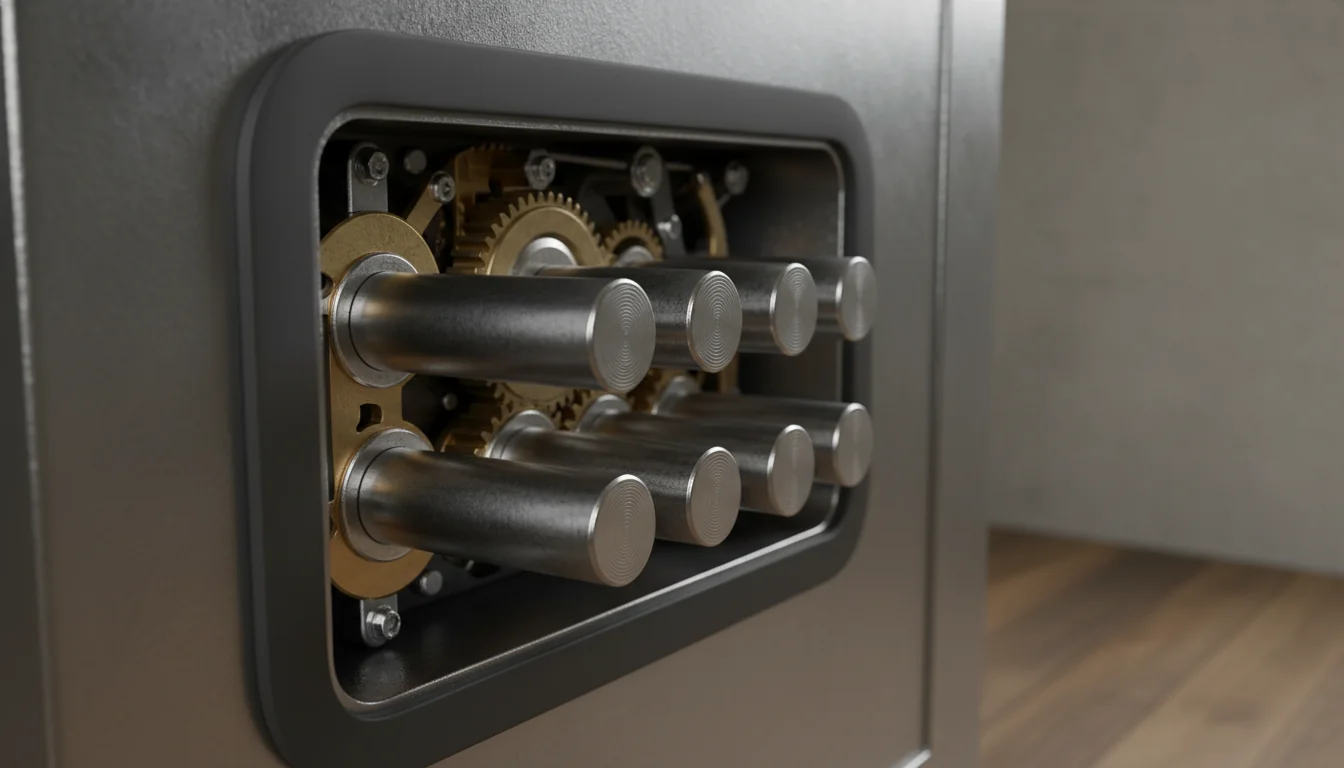
- Add moisture control and quiet, reliable locking.
- Test access at night; adjust for speed, silence, and cover.
Time yourself. If you can’t reach and open the hide securely in under a minute, refine the route or locking method.
Smart examples that stay discreet
Use these patterns to combine concealment and anchoring without sacrificing daily usability or long-term protection.
- Recessed wall cavity behind a utility-style grille with stud anchoring.
- False cabinet bottom with hidden fasteners and desiccant packs.
- Interior closet niche with a mirror-front door and silent latch.
- Under-stair step compartment with side access and anti-creak pads.
- Basement pillar box elevated above slab with vapor control.
A realistic façade beats a fancy trick. The best hide is dull, stable, and anchored in place.
Choose one example and adapt it to your home’s lines, textures, and circulation patterns to keep it securely out of sight.
Maintenance and quiet operation
A hidden spot isn’t set-and-forget. Keep it functional and silent so it remains secure and practical over years of use.
- Lubricate locks and hinges with non-staining, low-odor products.
- Rotate desiccants quarterly; inspect for corrosion or swelling.
- Test access in shoes and socks; check for squeaks and light leaks.
- Update your inventory in a secure folder with photos and serials.
- Review OPSEC after visitors, renovations, or routine changes.
If kids are present, ensure childproof separation from weapons, meds, or hazardous items—locked and out of reach, always.
Actionable tips: build and use it securely
- Cut disguises from the same batch of trim to match micro-grain and sheen.
- Use threadlocker on anchor bolts so vibration won’t loosen them.
- Stage decoys with believable clutter; avoid pristine emptiness.
- Keep spare keys off-property or sealed in a secondary, disguised hide.
- Practice accessing the hide in total darkness: speed, silence, and cover.
If watches are part of your plan, consider an anchored, compact watch-safe format for organized, quietly secure storage—see an 8-slot example format.
FAQ: building a discreet safe spot, securely
Why prioritize a hidden spot over a visible safe?
Visibility invites attention. A concealed, anchored hide forces time pressure on intruders, keeping assets protected more securely while you retain quick access.
How does a hidden niche compare with a regular cabinet lock?
A lock alone is predictable. A disguised, bolted niche removes the obvious target, adds delay, and keeps contents quietly secured under stress—far harder to breach fast.
What are the worst hiding places at home?
Master bedrooms, entry drawers, under mattresses, medicine cabinets, and unbolted portable safes. Intruders check these first; they’re neither discreet nor secure.
Should I split valuables across multiple hides?
Yes. Dispersion cuts single-point failure. Use two or three discreet spots, each anchored and moisture-controlled, so your protection holds securely even if one is found.
How can I store watches or small items without noise?
Choose soft-lined trays, silent latches, and stable anchoring. A compact, organized layout reduces rattles and helps you open and close more securely—see this 8-watch layout idea for inspiration.
Where should I keep codes, backup keys, and inventory photos?
Use your phone’s secure folder and an offsite backup. Avoid paper notes. If you prefer a tiny physical backup, store it in a secondary hide—something like a compact, lockable insert can help organize discreetly.
How do I balance quick access with concealment?
Keep your route short, use a quiet latch, and practice in the dark. If access exceeds a minute, refine the path or locking method to keep it both discreet and secure.
Do I need professional help?
If cutting walls, adding structure, or managing moisture layers, consider a contractor. Proper framing and anchoring keep the hide robust and securely installed.
A discreet hide works only when placement, camouflage, anchoring, and habits align to keep valuables quietly protected.
- Anchor and conceal: don’t rely on disguise alone.
- Control environment: moisture, heat, and light leaks matter.
- Use layers: decoys, dispersion, and a secure folder for records—consider a discreet watch-safe format if you store timepieces.
Start small, test at night, and refine. Done right in 2026, your safe spot will stay hidden—and truly secure—when it counts.
0 comments