


Got half an hour and a cluttered drawer? In 30 minutes, you can turn a standard drawer into a calm, protective watch storage layout that looks intentional and feels premium.
This 2026 guide shows you a minute-by-minute plan, a precise cutlist, and fast layout tricks so every second counts. Ready to convert time pressure into order—without special tools?
Time‑smart plan: 5‑minute blueprint
A quick plan saves more minutes than any tool. Spend five focused minutes measuring, sketching, and choosing the insert style before touching the foam or felt.
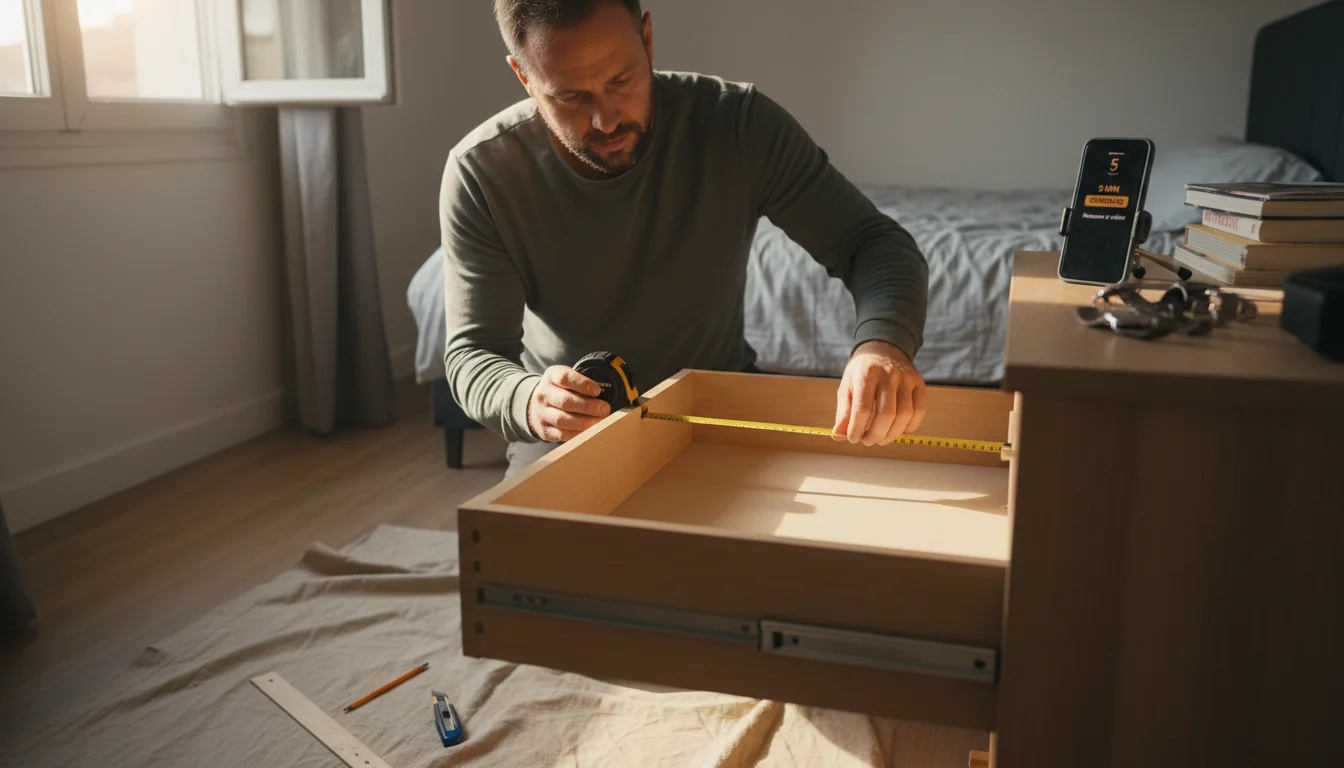
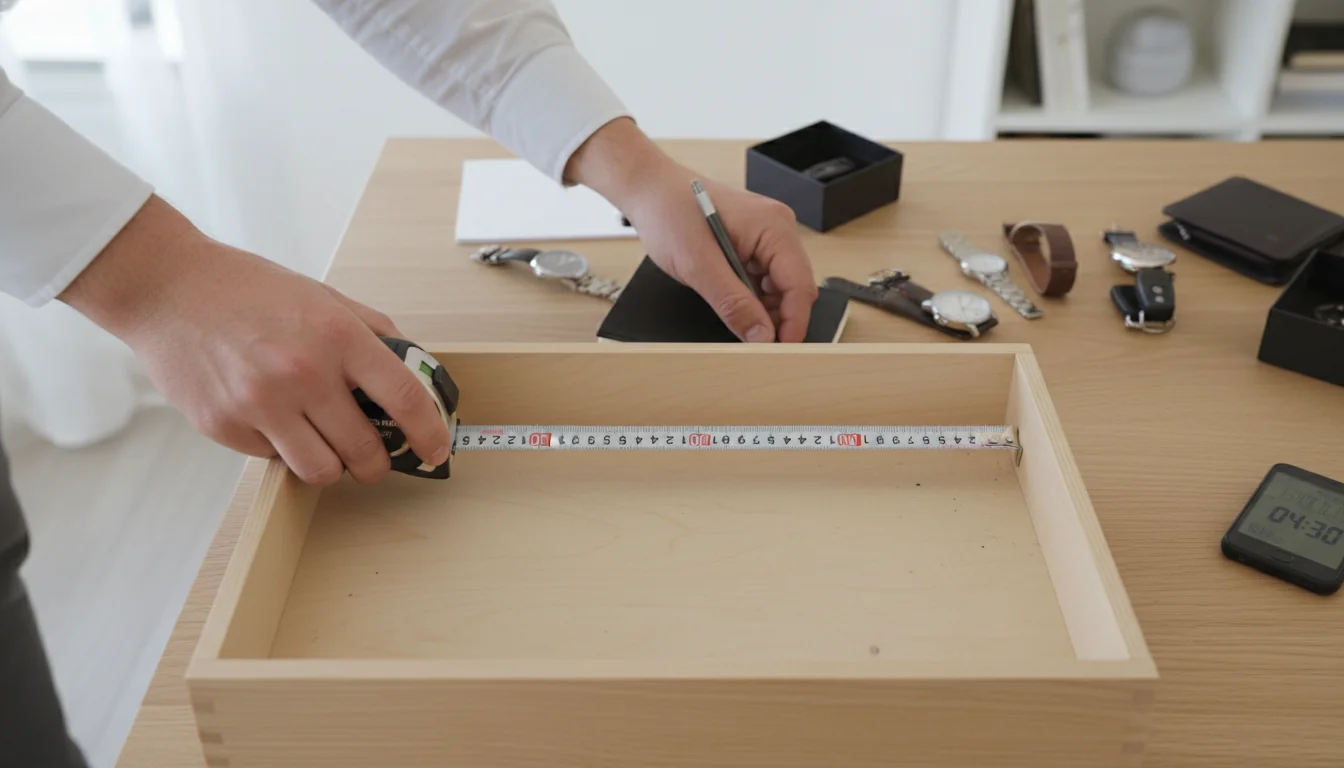
- Measure internal width, depth, and height to the nearest millimeter.
- Decide row count in under two minutes: width ÷ 55–60 mm per watch.
- Choose insert style: trays, pillows, or cut‑outs (fastest to slowest).
- Mark zones for straps, tools, and daily wear pieces.
| Task | Estimated minutes |
|---|---|
| Measure + sketch | 5 |
| Cut foam/felt | 10–12 |
| Assemble layers | 4–6 |
| Fit + load watches | 7–9 |
Keep a 2–3 mm margin around foam edges; this tolerance preserves speed and a snug fit without re‑cutting.
Those first five minutes prevent redo cycles that waste twice as long later.
Fast layout: 8‑minute measuring
Your drawer becomes a precise watch grid by laying out rows in minutes. Use painter’s tape as removable guides for straight lines and equal spacing.
- Row spacing: 60–65 mm centers for most cases.
- Column spacing: 85–95 mm if you park bracelets open.
- Leave a 20–30 mm landing strip near the front for daily wear.
- Right rear corner = tools and spring bars in a slim tray.
A layout done in under ten minutes often improves daily access by 15–30 seconds per wear, compounding to hours saved in a year.
Prefer a clear top‑view look for quick selection in the same time window? Explore our transparent display choices as a complementary option when time matters.
Quick cuts: 10‑minute foam work
Cutting is where most people lose minutes. Switch to a sharp craft blade and straightedge, then batch identical cuts to maintain pace and accuracy.
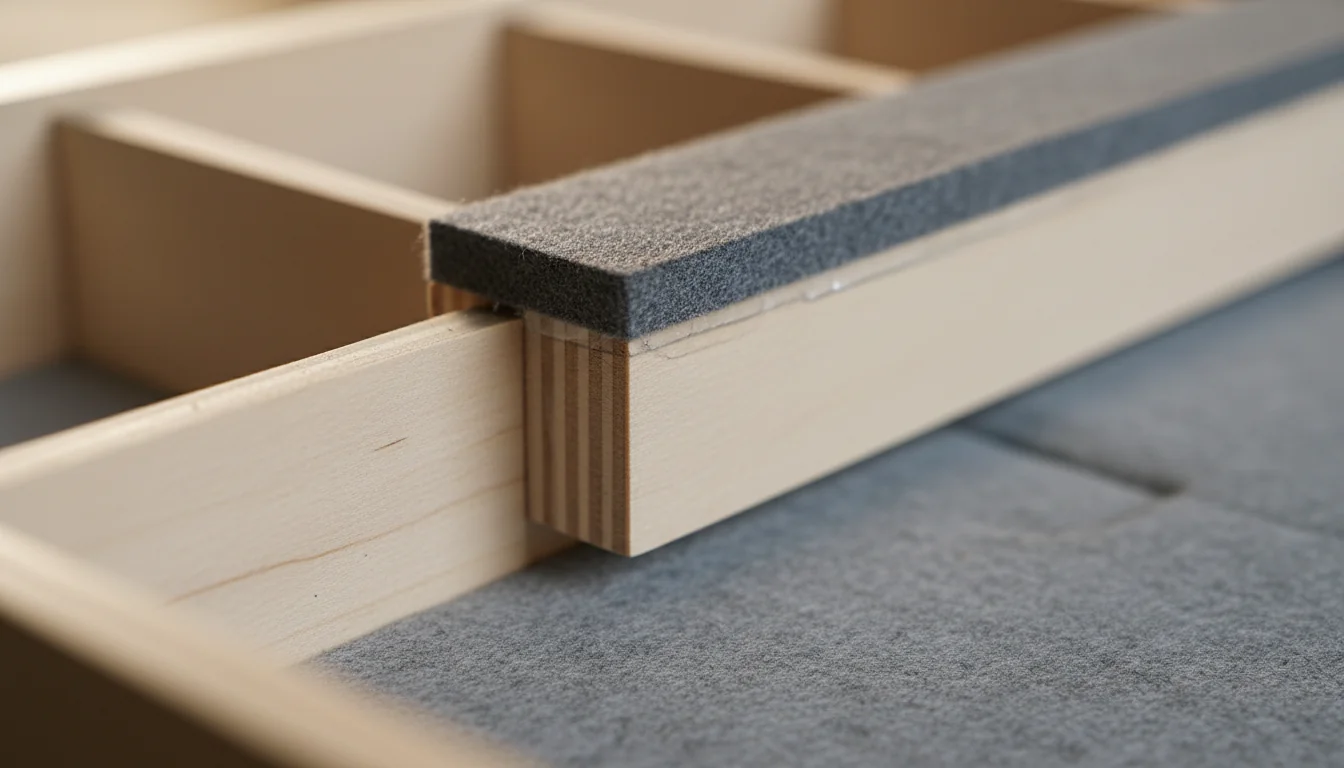
- Use 10–12 mm EVA foam for base cushioning.
- Top layer: 6–8 mm foam or felt for a smooth touch.
- Score once, then follow through—don’t saw back and forth.
- Batch four strips at a time to save two minutes per set.
If you add lighting later, turn off power at the circuit and wait 1–2 minutes before any wiring to avoid hazards.
Keep a waste strip for quick shims; this trick avoids a recut that can steal five extra minutes.
Rapid fit: 4‑minute assembly
Assembly should feel like dropping a puzzle piece into place. A dry fit takes seconds and ensures the final press‑in is done in minutes, not retries.
- Dry fit the base layer; corners must sit flat.
- Add spacers or ribs to create channels for each watch.
- Use double‑sided tape—clean, fast, and reversible.
- Press from back to front to avoid bubbles or bulges.
Swap glue for adhesive strips and reclaim 3–5 minutes of set‑time while keeping a clean drawer system.
If you rotate a few pieces outside the drawer for even faster grabs, consider these slim clear cases as time‑saving companions.
Speed upgrades: 3‑minute extras
With the core insert done, a few three‑minute add‑ons elevate comfort and shave seconds off daily use without pushing beyond the 30‑minute window.
- Add a velvet tab to lift the tray in one pull.
- Stick a thin silica sachet to control moisture year‑round.
- Drop a small tray for links, pins, and spare straps.
- Label rows (date, diver, dress) for sub‑10‑second grabs.
Moisture control preserves leather and fabric inlays, extending intervals between deep cleans by 30–45 days.
If you keep one daily watch on the dresser for ultra‑fast access, a compact sleeve like this dusk‑toned single case protects it in seconds and prevents desk rash.
Guide 2026: 30-minute build
- Minute 0–2: Empty, wipe, and measure interior clearances.
- Minute 3–10: Cut base liner and divider strips to size.
- Minute 11–18: Dry-fit grid; test with two largest watches.
- Minute 19–26: Make cushions; size-check each slot.
- Minute 27–30: Add silica gel, labels, and bumpers; final close test.
Don’t overpack. If a slot takes force, widen it by 2–3 mm. A 30-minute finish is worthless if clasps are stressed.
“It took maybe 30 minutes to install by myself.” That’s the benchmark: fast, calm, and repeatable.
Why aim for a half-hour?
Time-boxing focuses decisions. In 30 minutes, you commit to a layout, keep tolerances tight, and avoid perfection traps. The result is a tidy drawer and a reliable Watch Storage Solution Minutes routine.
How does this compare to trays or rolls?
Trays waste vertical space and slide. Rolls compress straps. A fitted grid uses the full drawer footprint, stays put, and protects crowns. For a single-slot accent, consider a compact oak-toned piece.
What are the key 30-minute advantages?
Speed, safety, and repeatability. You gain quick access each morning, cushioned storage that prevents knocks, and a grid you can adjust in a few minutes as your collection evolves.
Will this work in shallow drawers?
Yes. Use 5–6 mm foam, 35 mm divider height, and lower-diameter cushions. Keep a 3 mm clearance to the top. The conversion still fits within your 30-minute window.
How do I maintain it in minutes?
Adopt a 2-minute “return” habit and a 5-minute monthly reset. Wipe, rotate silica gel, and recheck slot widths. For grab-and-go days, a leaf-toned sleeve like this one-watch cover keeps a piece safe on your desk.
Can I scale this to multiple drawers?
Repeat the grid and color-code liners by complication. Devote one drawer to dress pieces and another to divers. Each replication takes fewer minutes as your cutlist becomes a template.
In 30 steady minutes, you convert chaos into a protective, scannable watch home that saves time every day.
- Measure, cut, and friction-fit; avoid glue for fast edits later.
- Size cushions right; keep 3–5 mm clearances for safety.
- Add silica gel, labels, and one accent slot like a warm single-slot case.
Set a timer, follow the sequence, and enjoy a layout that feels custom—built in minutes, not days.
Care routine: saved minutes daily
A 60‑second reset after wear preserves order and saves more minutes over time than any redesign. Keep a small microfiber square tucked in the front strip.
- Wipe crystal and lugs for five seconds before stowing.
- Return each piece to its assigned slot to stop drift.
- Empty the spare‑parts tray weekly to avoid buildup.
- Vent the drawer briefly if humidity spikes in summer.
Avoid harsh solvents; they can off‑gas in confined drawers. A mild, alcohol‑free spray and 2‑minute air‑dry is sufficient.
Consistent micro‑habits keep your insert looking new while preserving the under‑30‑minute build investment.
0 comments