


Live in a damp rental and want to protect your watches without overspending? This 2026 field guide ranks the best watch box approaches by budget, with clear criteria you can apply today.
What’s the smartest spend when humidity creeps above 60%? We translate moisture risks into practical choices across price brackets, so you can allocate your budget where it actually pays off.
You’ll learn which materials seal better, how to use desiccants, where to place the box at home, and the low-cost add‑ons that outperform pricier features in humid apartments.
Protection first: what really counts
In a humid apartment, the “best” box is the one that limits moisture swings. Your spending plan should prioritize a tight lid, space for desiccants, and low-porosity walls before looks. That hierarchy stretches every dollar of your budget.
- Aim for target RH: 40–55% inside the box; watches stay stable in that band.
- Favor a gasketed lid or close‑fitting lip; gaps let damp air creep in.
- Choose low‑sorption materials (coated wood, acrylic, metal) over fluffy textiles outside.
- Reserve spend for a hygrometer slot or an adhesive sensor; data beats guesswork.
- Consider UV shading and dust control; light and grit add slow damage.
| Price band | What to prioritize in humidity |
|---|---|
| Entry | Tight lid fit, silica gel packs, minimal fabric on the exterior. |
| Mid | Better hinges and seals, slot for a small RH monitor, UV-shaded window. |
| Upper‑mid | Gasket, replaceable desiccant tray, lined interior that resists mildew. |
| Premium‑capped | Precision seal, integrated sensor, low‑VOC finishes, robust dust control. |
Test the lid seal by closing a strip of paper in it. If you can tug it out easily, moisture will get in just as fast—adjust your budget toward a tighter build.
This order of operations keeps a modest budget impactful and prevents costly fixes later (corrosion, degraded gaskets, or dial spotting).
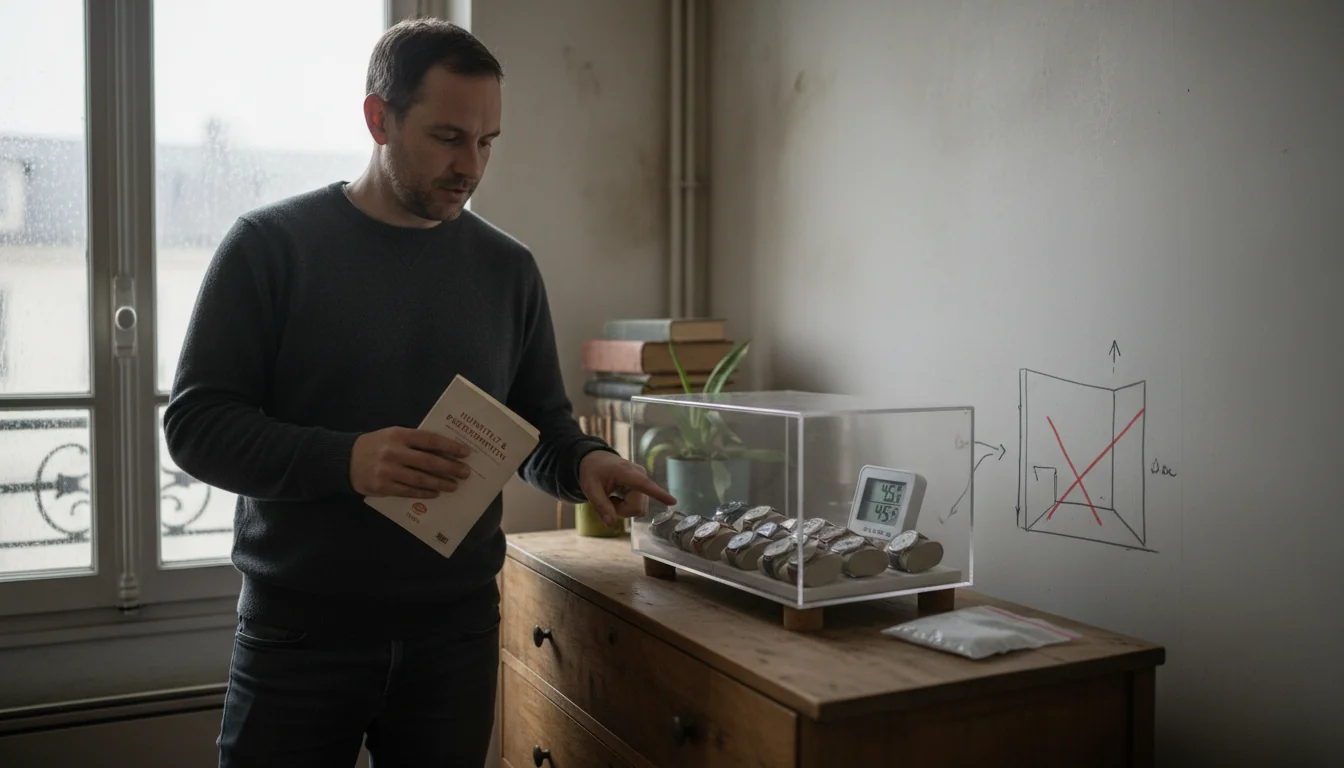
Materials matter: choose for damp air
Material choice is where a budget quietly wins or loses. In humidity, porosity, finishes, and interior linings define long‑term performance more than fancy trims.
- Acrylic and metal shells resist moisture uptake and are easy to wipe dry.
- Engineered woods (e.g., MDF) need sealed edges and low‑VOC lacquer to block damp.
- Natural cedar can buffer humidity a little, but oils may scent straps; use sparingly.
- Glass windows look great; add UV shading or keep away from direct light to avoid heat.
- Velvet‑heavy exteriors attract dust; prefer smooth, wipeable outer finishes in small apartments.
In 2026, many renters report on forums that smooth acrylic outperforms fabric‑wrapped boxes in damp rooms thanks to quick cleaning and lower moisture uptake.
If you want clear visibility without inviting condensate, consider our transparent acrylic selection as a humidity‑savvy alternative within a careful budget.
Avoid placing a glass‑windowed box in sunlit spots. UV exposure and heat spikes drive moisture gradients and tarnish.
Seals and dryness: the budget levers
Airtightness and moisture control scale with spend. In each price band, allocate funds to sealing and desiccants before decorative features; that’s the apartment‑humidity advantage.
- Airtight seal: Look for compression when closing; magnetic latches help maintain pressure.
- Desiccant access: A tray or compartment for silica gel is worth more than extra trim.
- Monitor port: A tiny gap for a probe or a built‑in sensor is a mid‑tier upgrade that pays back.
- Interior lining: short‑pile fabric resists mildew better than plush in damp settings.
Two‑stage moisture control: pair a room dehumidifier with silica inside the box. This dual approach stretches even a tight budget.
Chemical desiccant tubs can help, but they don’t seal a leaky lid. Put most of your budget into the box’s closure first; consumables come after the fundamentals.
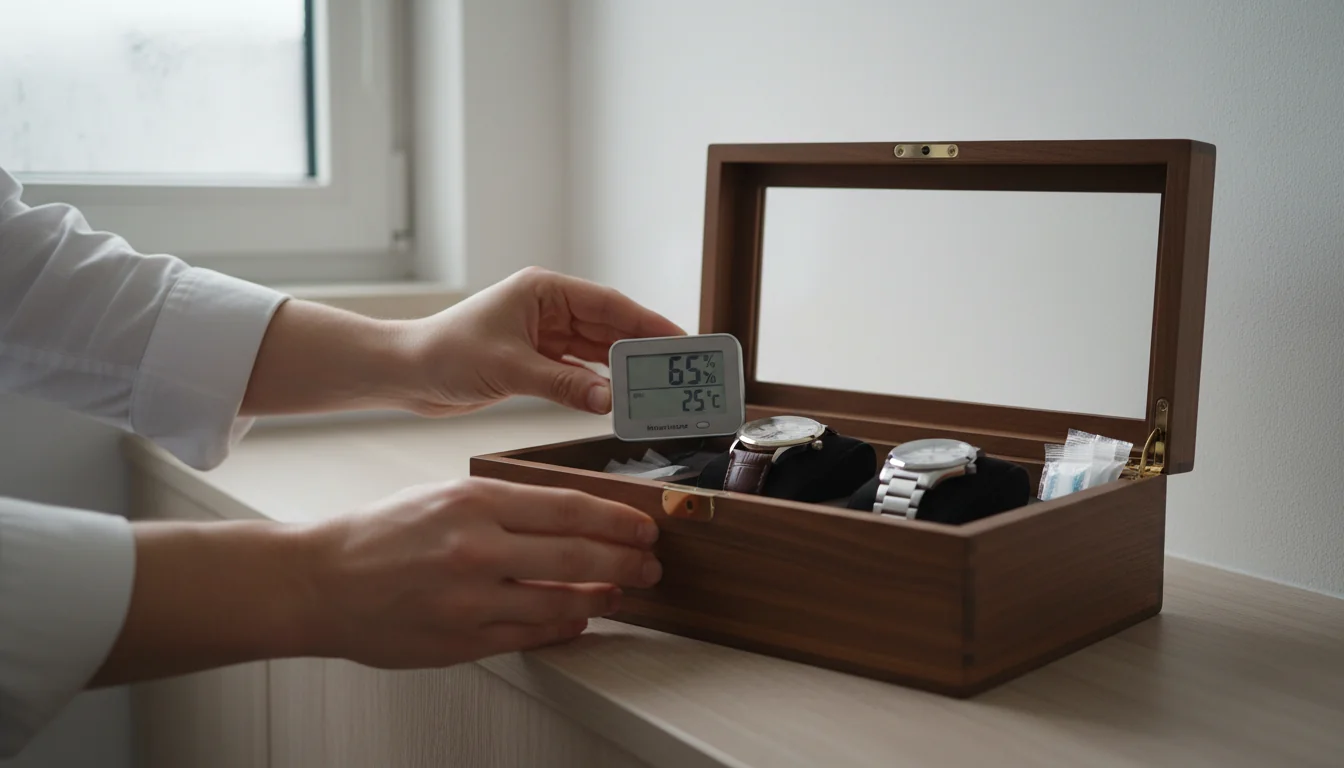
Placement basics: light, dust, calm
Where you set the box often matters more than what you paid. Bedrooms and interior closets usually have steadier humidity than kitchens or window sills—ideal for a lean budget strategy.
- Avoid bathrooms and kitchens; steam spikes overwhelm small boxes.
- Use shelves away from exterior walls; they stay drier and cooler.
- Keep off radiators and AC vents; drafts drive RH swings.
- “Light, Dust, and Peace‑of‑Mind” basics: shade from UV, close lids, and reduce traffic.
EPA guidance in 2026 notes mold thrives above ~60% RH on damp surfaces. Lower room RH means less work for your desiccants.
If your apartment stays muggy, budget a small room dehumidifier before upgrading box aesthetics. That spend pays back in fewer gasket replacements and cleaner dials.
Capacity vs. cost: right‑sizing
Buying more slots than you need dilutes your moisture control budget. In humid homes, smaller volumes stabilize faster and cost less to keep dry.
- Single to 3‑slot: easy to seal, cheap to maintain, ideal for everyday rotation.
- 6–10 slots: add a desiccant tray and RH monitor to keep pace with air mass.
- 12+ slots: demands better gaskets and regular silica regeneration.
- Travel pouches are fine short‑term, but lack seals for damp apartments.
Big glass‑top chests look grand but can trap warm, moist air under sunlight. Choose shade or skip windows on a smaller budget.
Right‑sizing keeps your spending tight and your humidity levels tighter—a simple win for a budget‑first plan.
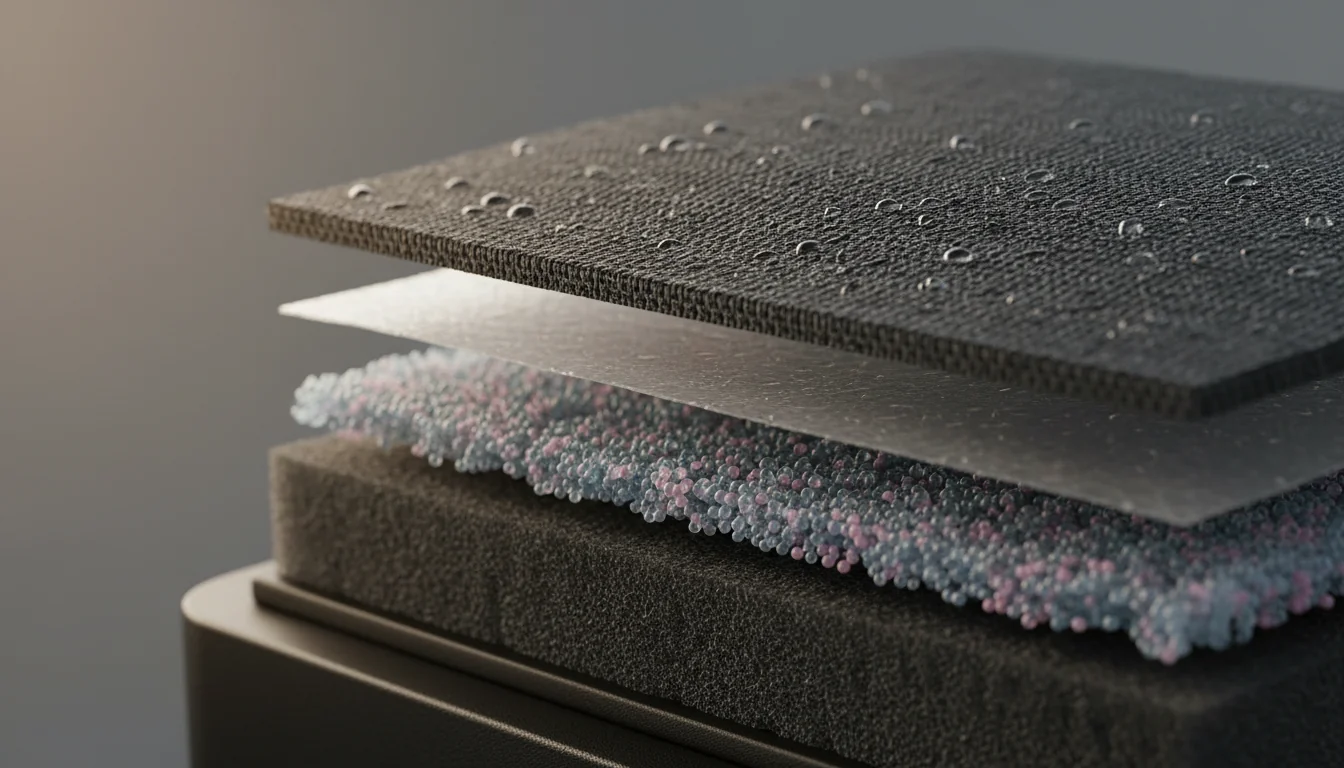
Setup guide: humidity‑safe on any budget
- Check room RH with a portable sensor; pick the steadiest room you have.
- Place the box away from windows and vents; elevate to shelf height.
- Add a rechargeable desiccant; pre‑dry it before first use.
- Insert a mini hygrometer inside; target 40–55% RH.
- Log readings for a week; adjust desiccant quantity as needed.
Recharge silica as soon as RH rises 5–10 points above your target. That’s cheaper than upgrading the entire box.
For one daily wearer on a tight allowance, a compact single‑slot case keeps moisture easy to manage. Consider this discreet single‑watch format to control RH with minimal desiccant.
Don’t store damp straps right after rain or workouts. Let them air‑dry before boxing.
If you rotate watches and still watch your spend, a sturdy single compartment with a snug pillow works well. Look at a compact, travel‑friendly option to pair with a small silica brick.
Why choose a budget‑minded box?
In a humid apartment, the win comes from sealing and desiccants. Spending less on finishes frees funds for moisture control that actually protects straps and cases.
How does this compare to pricier options?
High‑end cases can add UV glass and tighter gaskets. Yet a well‑sealed mid‑tier box plus silica often matches performance at a fraction of the outlay. Place it well and monitor RH.
What are the key advantages on a tight spend?
Lower cost, simpler upkeep, and flexible scaling. A single‑slot example like this format for daily wear pairs nicely with one rechargeable desiccant and a pocket hygrometer.
Is a glass window risky in humidity?
Large panes can invite temperature swings and UV. Choose smaller windows or UV‑dampening glass, and keep the box away from direct sun to protect dials and straps.
Do I need an integrated hygrometer?
Not necessarily. A separate sensor is inexpensive and portable. If you like in‑box readouts, try a compact build such as this sealed single‑slot style plus a mini digital gauge inside.
How should I maintain the lining and pillows?
Vacuum gently, brush lint away, and keep desiccant active. Rotate cushions so pressure points don’t compress. Avoid wet cleaning inside the box.
In humid apartments, your spending plan should prioritize sealing, placement, and desiccant rotation. For compact needs, a tidy one‑watch layout pairs perfectly with silica and a pocket hygrometer.
- Invest first in a tight lid, then in UV and locks.
- Use silica and a sensor to anchor 40–55% RH.
- Place the box in a stable room to boost performance for any budget.
Apply these 2026 tactics once, and your watches will stay clean, dry, and ready—without overshooting your budget.
Monitoring that pays back
A tiny hygrometer or Bluetooth sensor inside the box is a low‑cost upgrade that saves straps and dials. Data tells you when to regenerate silica—precision spending for any budget.
- Stick‑on RH sensors fit in lids; check weekly until trends stabilize.
- App logging shows how often RH creeps above 55% so you can resize silica.
- If RH stays high, upgrade the seal before throwing more desiccant at it.
- Avoid fan‑driven gadgets inside; they circulate damp air without sealing leaks.
Regenerate silica packs in an oven per instructions. Reuse beats replacing—perfect for a lean spend.
Forums and home news sections often echo this: numbers calm the mind. A small sensor provides real peace‑of‑mind in compact, humid apartments.
0 comments