


Choosing between acrylic and polycarbonate for the lid of a box set is not just a material debate—it’s a systems decision. Does your collection come as a coordinated set, a multi-box bundle, or a curated ensemble you’ll open and close daily?
In this 2026 guide, you’ll learn how each plastic behaves over time, which lid type protects a matched set best, and how to specify thickness, hinges, and seals for clear, durable coverage without warping or clouding.
Crystal clarity: curated ensembles
For a coordinated ensemble—think tiles, watches, or collectibles—the lid must showcase contents across the whole set under varied light. Acrylic and polycarbonate both look clear, but they do not age or scratch the same way.
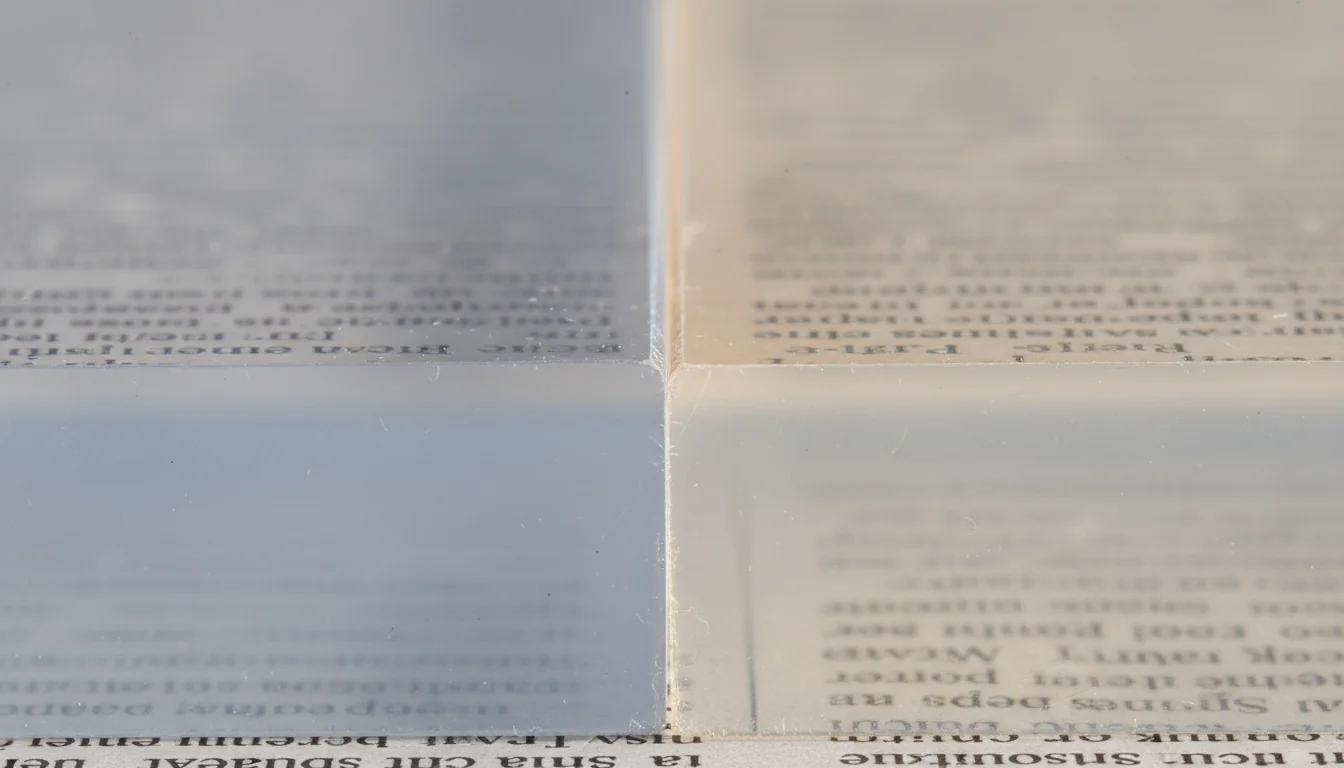
- Optical clarity: Acrylic typically reaches ~92% light transmission; clear polycarbonate is ~88–90%.
- UV stability: Acrylic resists yellowing excellently; modern UV-stabilized polycarbonate performs well outdoors but needs proper grade.
- Scratch behavior: Acrylic is harder, so minor scuffs are less visible; polycarbonate is softer and marks more easily without a coating.
- Reflections and seams: Polished acrylic edges yield a “glass-like” finish that flatters display sets and sliding clear covers.
Uncoated polycarbonate can haze faster in abrasive cleaning cycles. A soft microfiber and neutral soap preserve clarity across a multi-box set.
If your bundle lives on open shelves, acrylic excels at a crisp gallery look. For a set that travels or stacks frequently, weigh clarity against durability trade-offs in the next section.

Impact and warp: stacked kits
A lid for a multi-piece kit endures handling, stacking, and occasional knocks. This is where polycarbonate’s toughness often outperforms acrylic.
- Impact resistance: Polycarbonate is highly impact resistant; acrylic is stiffer but more brittle at edges and holes.
- Warp vs. bow: Acrylic can warp under heat/humidity; polycarbonate may bow on wide spans but is less likely to crack.
- Hinges and fasteners: Polycarbonate accepts screws and hinges with reduced risk of stress cracking; acrylic prefers adhesive-bonded hardware.
- Weight: Both are lighter than glass; polycarbonate’s ductility helps in heavy-use box configurations.
Long, unsupported lids across a large set can sag over time—add ribs, choose thicker sheet, or specify a hinged frame with 2-screw/4-screw corners.
For travel-friendly sets and industrial enclosures, a clear polycarbonate lid often wins. For a compact display array where rigidity matters more than toughness, acrylic still shines.
Sealing and hygiene: pantry bundles
Food storage sets need clear lids that resist oils, remain hygienic, and endure temperature swings from freezer storage to dishwashing.
- Polycarbonate food lids commonly handle temperature range: -40 to 212°F when specified correctly.
- Acrylic can be food-contact safe (PMMA), but often prefers hand wash; heat cycling can induce crazing near edges.
- Lock-tight and gasketed options exist for polycarbonate enclosures used in kitchens and labs (cryostorage boxes with clear covers).
- For labeling, clear lids with molded windows or alphanumeric grids simplify a multi-container bundle.
| Use in a bundle | Preferred lid approach |
|---|---|
| Pantry boxes (oils, sauces) | Polycarbonate with snap-on seal, clear lid for quick ID |
| Freezer bundle (portioning) | Polycarbonate cryostorage style, assorted color bases with clear covers |
If your food container set rotates between fridge and sink daily, pick a lid with an NSF-style snap and textured edges to hide micro-scratches.
For culinary bundles and lab trays, polycarbonate’s sealing options provide consistent protection without sacrificing visibility across the set.
Hardware options: hinged arrays
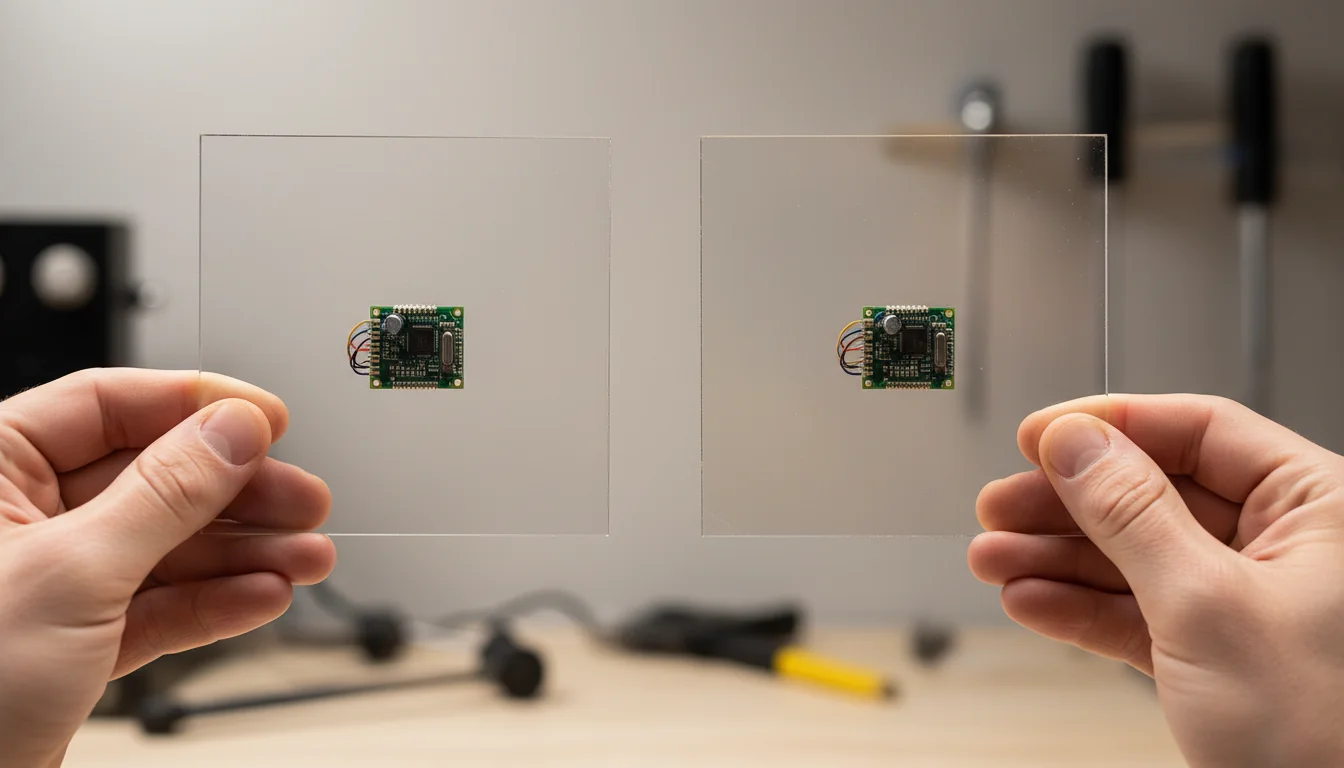
Lid mechanisms organize how a multi-box array opens on a bench or shelf. Choose hardware first, then match plastic to the mechanical load and footprint.
- Hinged lids: Great for frequent access. Polycarbonate handles screw bosses; acrylic prefers bonded piano hinges.
- Non‑hinged covers: Lift-off or sliding clear covers reduce hardware but depend on panel stiffness (acrylic excels here).
- Screw patterns: 2-screw or 4-screw corners stabilize wide lids, common in polycarbonate enclosure designs.
- Gasketed frames: For dust and splash resistance, specify an IP-rated profile with a clear polycarbonate lid.
Many industrial enclosures offer a clear lid, wall-mount flanges, and UL/IK/IP ratings. That playbook transfers well to robust multi-case storage.
For a coordinated toolkit, a hinged clear polycarbonate cover balances visibility and durability. For a gallery-style collection, a rigid acrylic lid elevates the aesthetic with fewer fasteners.
Aesthetics: tile and card collections
Tile, card, or token collections benefit from a lid that highlights pattern, color, and alignment across the whole set. Edge finish and light diffusion matter as much as raw transparency.
- Acrylic edges can be flame‑polished to a near‑glass look for a clean display box with a clear lid.
- Polycarbonate allows thinner, tougher hinged tops for boxes you open often during play or curation.
- UV note: Acrylic maintains color fidelity outdoors; specify UV‑stabilized grades if choosing clear polycarbonate.
- Sliding lids: Acrylic panels glide smoothly in cut channels and keep a flat silhouette across the set.
If pieces are glossy, a low‑glare acrylic finish reduces hotspots while keeping the set vivid and easily identified.
For a collectible set with limited handling, acrylic’s crisp look usually wins. For lively handling and frequent sorting, polycarbonate’s resilience pays off.
Sizing and thickness: matched batches
A lid that spans several compartments in one bundle must balance stiffness with weight. Choose thickness by span and opening method, not just by material label.
| Bundle scenario | Recommended lid spec |
|---|---|
| Small vanity organizers set (2"–3" cubes) | Acrylic 2–3 mm lift‑off or slide; polished edges |
| Medium watch collection (single wide lid) | Acrylic 4–5 mm for flatness, or PC 3–4 mm hinged |
| Large multi-compartment kit (frequent handling) | Polycarbonate 4–6 mm with 4-screw frame and gasket |
Cutouts for handles or feeders reduce stiffness. Increase thickness or add ribs when the lid covers long spans in a combined set.
When in doubt, prototype one lid panel and test for bow, latch fit, and scratch visibility before committing to the full set.
Guide 2026: choose for your bundle
- Define handling: display‑first or travel‑ready across the whole set.
- Measure the lid span and note any cutouts or hinges.
- Pick clarity vs toughness: acrylic for crisp look, polycarbonate for impact.
- Decide sealing: snap, gasket, or lift‑off based on hygiene needs.
- Specify thickness and finish (polish, coating) before fabrication.
Test one lid in real use for 72 hours—stack, wipe, and open/close—then scale the spec to the entire set.
For compact watch assortments, a refined box can guide your spec. See a format similar to a compact five-slot watch case to evaluate lid flatness and edge finish in a small ensemble.
When your collection grows, compare lid behavior on a wider array. Studying a layout akin to this ten-piece organizer helps you judge span stiffness, hinge alignment, and scuff tolerance across the bundle.
Why choose a coordinated set lid?
A unified lid strategy keeps dimensions, clarity, and sealing consistent. Your ensemble looks aligned, stacks safely, and labels remain legible across all boxes.
Acrylic vs polycarbonate: which lid for a box set?
Display‑first sets lean to acrylic for optical pop and flatness. High‑handling bundles favor polycarbonate for impact resistance and hinge‑friendly mounting.
What about mid‑size watch assortments?
For six to eight timepieces, balance rigidity and daily use. Review a layout comparable to a six-slot organizer and compare an acrylic slide cover versus a hinged polycarbonate lid.
Do sealed lids matter for pantry bundles?
Yes, especially for oils, produce, and freezer rotation. Snap or gasketed clear polycarbonate improves freshness, containment, and quick ID across the set.
How thick should a wide lid be?
As a rule: acrylic 4–5 mm for flat spans; polycarbonate 4–6 mm when hinged or screwed. Add ribs or a frame for very wide bundles.
Maintenance for a multi-box ensemble?
Use neutral soap and a microfiber. Avoid ammonia. For routines, compare how lids hold up in a storage plan like a multi-watch winding layout where access is frequent.
Any caveats on chemicals and heat?
Polycarbonate dislikes certain solvents; acrylic can craze under stress and heat. Match cleaning agents and temperature cycles to the chosen plastic.
For a harmonized bundle, choose the lid by how the whole set lives: on display, in motion, or sealed for hygiene. Acrylic maximizes clarity; polycarbonate maximizes toughness.
- Display ensembles: Acrylic, polished edges, slide or lift‑off covers.
- High‑handling kits: Polycarbonate, hinged or framed with screws.
- Hygienic bundles: Clear polycarbonate with snap or gasket seals.
To sanity‑check proportions and lid behavior on a larger layout, compare with a configuration like a twelve-slot display case, then finalize your 2026 specification.
0 comments