


Showcasing decorative objects is a joy—until dust blurs lines, dims glass, and dulls patina. Keen to keep your display cabinets and shelves pristine without constant wiping?
In this 2026 guide, you’ll learn nine anti-dust techniques tailored to styled vignettes, glass display units, and Shelves for Decorative Objects. We’ll focus on aesthetics first, so your ornamental scenes look crisp and curated for longer with less effort.
Cleaner showcases: seal the gaps
Most dust sneaks through micro-gaps around glass doors, side panels, and cable pass-throughs. Tighten the envelope first, then polish the view.
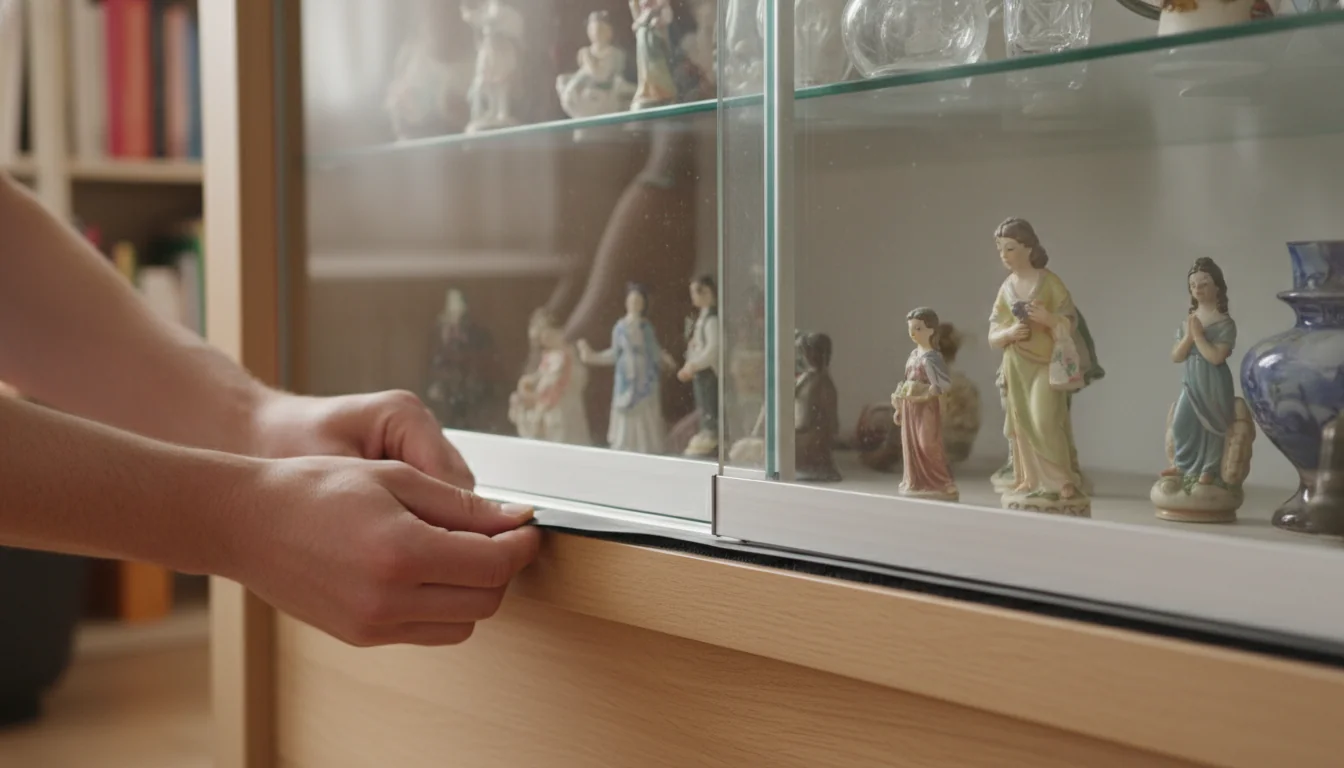
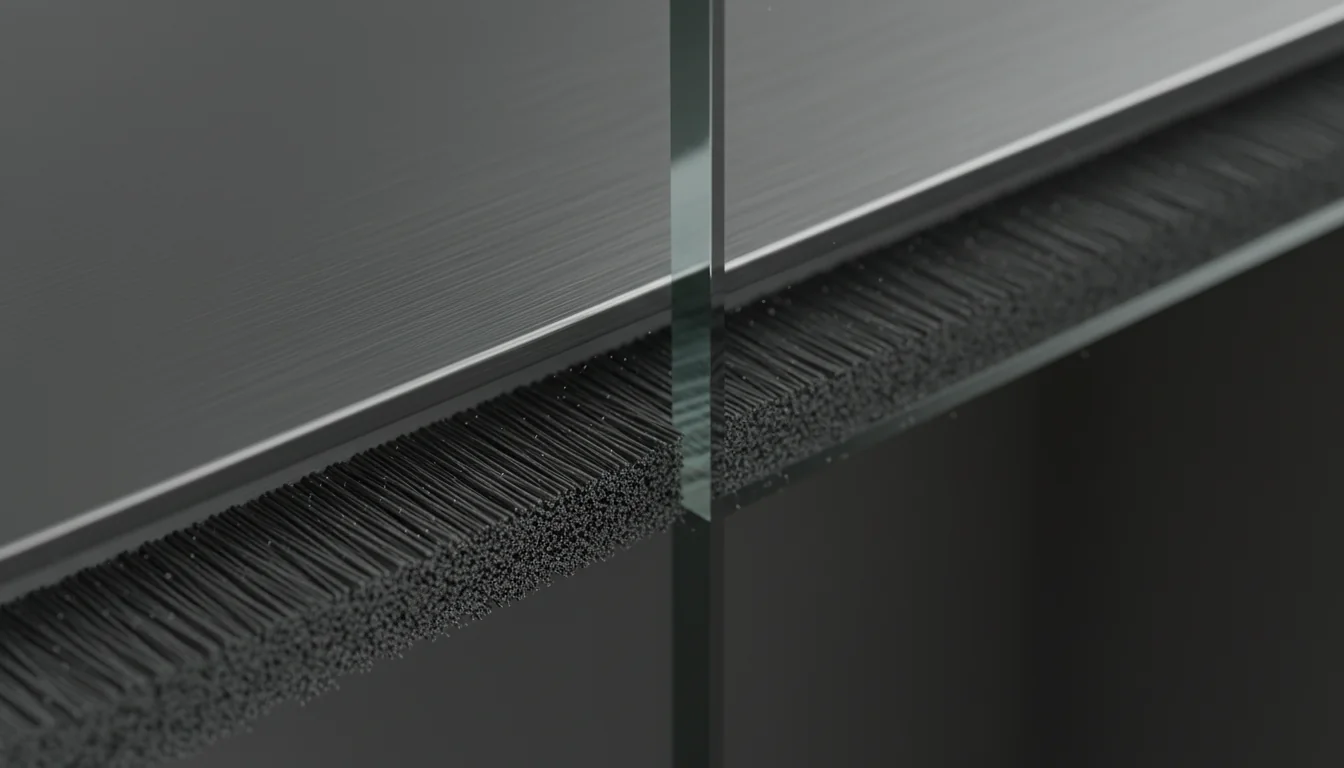
- Priority fix: add clear silicone or foam weatherstrips to the door perimeter; aim for an even, 1–2 mm compression when closed.
- Upgrade magnetic latches so doors seat firmly; weak magnets leave a visible gap at the stile.
- Close unused cable holes with rubber grommets; seal the case back if a previous device cord was removed.
- Use adjustable hinges to square doors; misaligned glass amplifies dust leaks and reflections.
- For open shelving, deploy dustproof boxes for fragile pieces and keep daily-access objects on the lowest shelf.
Shine a flashlight along door edges at night. If you see light bleed, you have a dust path to seal.
This “tight first” approach gives decorative arrangements a longer dust-free window and keeps the cabinet with glass doors visually crisp.

Gentle finishes: fewer particles
Some surfaces act like dust magnets; others shed particles. Choose textures and materials that visually flatter decor while resisting buildup.
- Prefer low-static glazing (tempered glass or acrylic with anti-static cleaner) for clear display; microfiber-ready surfaces clean streak-free.
- Matte, closed-pore paints on interior walls reduce dust adhesion versus rough, chalky finishes.
- Use powder‑coated metal risers or sealed wood bases for figures; raw wood fibers trap dust and shed over time.
- Avoid aromatic oak interiors for metal artifacts; organic acids can tarnish lead alloys and pewter—line shelves with inert barriers.
- Fit adjustable shelves so there’s minimal vertical slack; fewer voids mean fewer eddies that settle dust.
| Shelf material | Dust behavior & decorative fit |
|---|---|
| Tempered glass | Low friction, easy wipe; brightens porcelain and glass figurines; fingerprints show—use nitrile gloves when styling. |
| Acrylic | Lightweight, clearer edges; static-prone unless treated; ideal for miniatures when cleaned with anti-static fluid. |
| Sealed wood | Warm backdrop for ceramics and books; choose waterborne lacquer to limit emissions near metals. |
A quick anti-static wipe on acrylic shelves can cut visible dust return by 24–30% compared with dry cloths.
When the finish supports the look, decorative scenes stay luminous longer and require lighter touch-ups.
Smarter routines: faster upkeep
A short, precise routine preserves displays and limits re‑deposition. The right tools matter more than raw effort.
- Use a 300–400 GSM microfiber for glass; fold into eighths to rotate to a clean face as you go.
- For intricate carvings and figure display, work with a soft goat‑hair brush paired with a HEPA vacuum nozzle nearby.
- Mist cloths, not objects. Glass cleaner overspray deposits residue on collectibles and shelves.
- Mix distilled water and isopropyl alcohol (70:30) for streak‑free doors; avoid ammonia near lacquered bases.
- Schedule: quick wipe weekly, deeper cabinet interior clean every 4–6 weeks, gasket check quarterly.
Skip aerosol polishes on interior shelves. They attract lint and can yellow acrylic over time.
This routine protects decorative surfaces and keeps styled shelves photo‑ready with minimal disruption.
Staged vignettes: smaller dust loads
How you compose the scene affects dust fallout. Compact, elevated groupings gather less dust than sprawling lines.
- Tip 1 — Cluster into mini vignettes on shallow trays or risers; one wipe cleans the “island” and edges quickly.
- Tip 2 — Leave a finger’s width between objects; airflow around contours reduces catch points.
- Tip 3 — For open display shelves, top-shelf seldom used pieces go in clear cases; everyday items live mid‑level.
- Tip 4 — Use non‑slip shelf liners or discreet poster putty under bases to keep careful spacing intact.
- Tip 5 — Adjustable shelves: align heights to object families (books vs. ceramics) to reduce “dead air” voids.
Odd numbers read more dynamic. Group 3–5 pieces on a tray to cut wipe time and elevate the decorative story.
Thoughtful spacing keeps the eye on the collection, not the cleaning cloth.
Controlled air: a calmer microclimate
Tame airborne dust, and your displays stay luminous. Focus on filtration, gentle lighting, and limited air churn around the cabinet.
- Run a room HEPA purifier near, not at, the display; keep return vents from blowing directly on glass doors.
- Upgrade HVAC filters to MERV 13 where possible; replace on schedule to capture fine particulates.
- Choose LED strips at 2700–3000K; link lighting to a separate control device and timers to limit on‑time and heat.
- Target 40–55% relative humidity; stable RH reduces static and keeps paper, textiles, and wood comfortable.
- For sealed cases, include small silica gel packs with indicator cards; recharge when color shifts.
Less thermal lift from lighting means fewer convection currents inside the case—and less dust settling on ornamented surfaces.
A gentle environment protects the visual polish of curated decorative scenes.
Piece-specific care: lasting beauty
Different collections call for different dust defenses. Match the method to the material for safer, cleaner displays.
- Miniatures and collectibles: opt for dustproof display cases or enclosures with lockable doors to protect tiny details.
- Books and prints: closed cabinets or doors with UV‑filter glass limit lint and fading; brush spines downward to avoid lofting dust.
- Metals: avoid oak interiors; line shelves with polyester film; handle with nitrile gloves to prevent prints and grease traps.
- Textiles: store in breathable boxes with acid‑free tissue; avoid open shelves where fibers catch drifting dust.
- Stone and ceramics: use soft pads or felt footers; non‑slip solutions keep pedestals stable during cleaning passes.
Compressed air can drive grit into joints and decals. Use a soft brush plus HEPA capture instead.
Tailored handling preserves character while keeping Shelves for Decorative Objects serene and dust‑light.
How to dust‑proof a showpiece cabinet
- Map light leaks with a flashlight; mark gaps with painter’s tape.
- Install clear weatherstrips; adjust hinges and latches until doors close evenly.
- Treat shelves with anti‑static cleaner; add non‑slip liners under risers.
- Group objects on trays; place fragile items in dustproof cases.
- Set LED lighting to timers; add a nearby HEPA purifier.
Trim seals with a sharp utility blade. If you’re cutting panels, use a dust extraction attachment on saws to keep debris away from display zones.
For timepieces displayed within a cabinet, a sealed case helps. Consider this mahogany‑toned watch box as an enclosed perch that complements refined styling while limiting dust.
Safety and stability: serene styling
A stable cabinet lets you clean confidently. You’ll prevent mishaps and reduce micro‑vibrations that shed particles from books and fabrics.
- Install an anti‑tip device on tall units; anchor to studs and distribute weight evenly by shelf.
- Use levelers to remove wobble; even a 2–3 mm tilt can cause doors to gap at the top rail.
- Add discreet cabinet bumpers for soft‑close behavior; doors seat more consistently and seal better.
- Choose lockable glass doors when children or pets are around; fewer openings, less dust ingress.
- Cable‑manage LED lighting so wires don’t prop doors open or create dust channels.
A quiet cabinet is a clean cabinet. Less vibration equals less fiber shedding and fewer particles settling on ornamented objects.
Safety hardware supports a composed, gallery‑like decorative atmosphere.
Nine anti‑dust takeaways: at a glance
Here are the nine ideas that keep display cabinets serene and shelves elegant—without endless wiping.
- Seal door gaps with clear weatherstrips and aligned hinges.
- Block cable holes and tighten latches for firm closure.
- Pick low‑static surfaces; treat acrylic with anti‑static cleaner.
- Avoid oak interiors for metals; use inert shelf liners.
- Adopt a weekly microfiber routine plus monthly deep clean.
- Stage vignettes on trays; maintain finger‑width spacing.
- Use non‑slip liners/poster putty to stabilize placements.
- Control air: HEPA purifier, MERV 13 filter, LED on timers.
- Anchor tall units; use bumpers and lockable glass doors.
Run hands along door edges; if you feel airflow or see misalignment, address that first. It’s the highest‑impact fix.
Why focus on display‑ready styling?
Ornamental scenes reveal dust sooner than everyday storage. Polished glass, glossy glazes, and mirror bases highlight specks. Styling for decorative impact while sealing gaps reduces visual dust and cleaning frequency.
How does this compare to open shelving?
Closed cases win for dust control. Open shelves suit robust items but need weekly care. Combining enclosures for delicate pieces with open tiers for daily objects balances look and maintenance.
Top benefits for ornamental collections?
Clearer sightlines, less handling, and safer materials near sensitive finishes. You’ll also cut routine time and keep the narrative of each vignette intact longer.
Do I need special lighting controls?
Yes. LED with a separate control device and timers reduces heat and air lift inside the cabinet. Dimming preserves mood while limiting dust circulation around your showpieces.
What about timepieces and small valuables?
Use enclosed containers within the cabinet to limit dust and handling. A sealed option like a dual watch winder with a closed case protects finishes while staying display‑worthy.
Non‑slip ideas that won’t show?
Thin rubber shelf liners, clear silicone pads, or a grain‑of‑rice‑sized dot of poster putty under bases. They stabilize vignettes and avoid micro‑shifts that leave dust rings.
Is DIY modification messy near decor?
If cutting trim or panels, collect debris at the source with a saw dust‑extraction attachment. Cover shelves with clean towels and vacuum with HEPA before re‑staging your decorative set.
Seal first, style smart, and control air—that’s the decorative approach to dust in 2026. Your displays will stay vivid without constant polishing.
- Close the envelope: gaskets, latches, alignment.
- Compose with intent: trays, spacing, non‑slip support.
- Gentle environment: LED on timers, HEPA, steady RH.
Apply one fix today—you’ll see a cleaner cabinet and more time to enjoy the objects you love.
0 comments