


Carrying two timepieces in a backpack sounds simple—until you add textbooks, a laptop, snacks, and a water bottle to the mix. Do you want a slim roll, a crush‑proof clamshell, or a folio that slips into a laptop sleeve?
This 2026 field guide to 6 two‑watch watch cases for backpacks shows you what actually works on campus, on flights, and on day hikes. You’ll learn compact sizes that pass venue bag checks, shock and moisture safeguards, and quick‑access layouts that keep your pack organized.
Protection first: crush and shock
Backpacks compress gear. A two‑watch case must handle weight from books, a laptop, even a metal water bottle. Prioritize shells and padding that resist crushing and absorb impact.
- Rigid shell: EVA or molded poly shell prevents point loads from buttons and zips.
- Dense foam: cutouts or donut pads around the bezel and crown reduce movement.
- Full‑wrap zipper: a smooth, corner‑friendly path avoids pressure spots in tight packs.
- Split storage: opposite‑end insertion or divided trays stop watches from tapping each other.
- Strap channel: a recessed groove keeps clasp bulk from lifting the lid.
Stand the case vertically near the pack’s spine. The frame takes the hit, not your watches.
Unlike tray‑style boxes meant for shelves, backpack‑ready travel cases focus on impact isolation and lid deflection. That’s where a compact clamshell beats a display box every time.

Space and weight: slim packing
Space is tight in daypacks. A two‑watch case should be short enough for quick stow yet wide enough to protect lugs and crowns.
| Spec (typical) | Backpack fit insight |
|---|---|
| Length: 16 cm | Width: 10.5 cm | Height: 6.5 cm | Slides into admin pockets or sits on top of a laptop sleeve without bulging. |
| Weight: 0.255 kg (empty) | Keeps total carry light for commuting or trail approaches. |
- Aim for sub‑7 cm height to avoid lid pressure under a packed top flap.
- Choose dual cushions or sleeves that accept both bracelets and straps comfortably.
- If you swap bands, a micro‑pocket for spring bars and a tool is useful.
- For campus or office packs, prioritize a flat profile to share space with notebooks.
A low, rectangular clamshell packs more efficiently than a round roll in crowded admin panels.
If you want a real‑world size benchmark, consider this compact dual‑slot example as a reference for slim, backpack‑friendly proportions.
Access on the move: pocket strategy
Backpack layouts vary. Where you place the case affects speed, safety, and balance while walking, cycling, or hiking.
- Laptop sleeve front: easy to grab at security; pressed between rigid surfaces.
- Top stash pocket: fast access on trains; watch for sun heat under a skylight.
- Side zip compartment: good for carabiner‑friendly cases; avoid bottle knock.
- Center of mass: keep near the spine to reduce sway and pressure points.
Never pack the case loose at the very bottom. Impacts focus there when you set the pack down.
Prefer something ultra‑slim for a tight front pocket? A single‑watch sleeve sometimes solves the layout on minimal daypacks. See this svelte alternative for days when carrying one piece is smarter.

Moisture, heat, and trail realities
Backpacks encounter sweat, drizzle, and condensation from cold drink bottles. Protect metals, leather, and gaskets from humidity and temperature swings.
- Water‑resistant exterior: tight‑weave fabric or coated shell resists light rain.
- Desiccant: a small silica pack inside the case fights trapped moisture.
- Vent discipline: open the case at camp or the office to release humidity.
- Thermal buffer: don’t press the case against a cold hydration bladder.
Wrap the case in a thin fleece if your pack will sit in direct sun at a game or trailhead.
For hiking, a mid‑density foam core gives better vibration damping than hard plastic alone when your rucksack bounces on descents.
Security, events, and policies
Campus stadiums and arenas publish strict bag policies. Your backpack or small pouch must often meet clear size limits—keep your two‑watch case compliant and discreet.
- Common limits in 2026: clear bags up to 12" × 12" × 6"; opaque pouches 6" × 6" × 6" or smaller.
- Some venues state 10" × 6" × 2" max for small purses; your case must fit inside.
- Choose low‑profile colors; avoid shiny finishes that draw attention at checks.
- Consider a case with a simple carabiner loop rather than a dangling strap.
Pack to the smallest stated policy. If an arena updates access in 2026, you’re still covered.
For travel days, keep the case near the top of your backpack for quick removal at security, and skip logos that advertise high‑value contents.
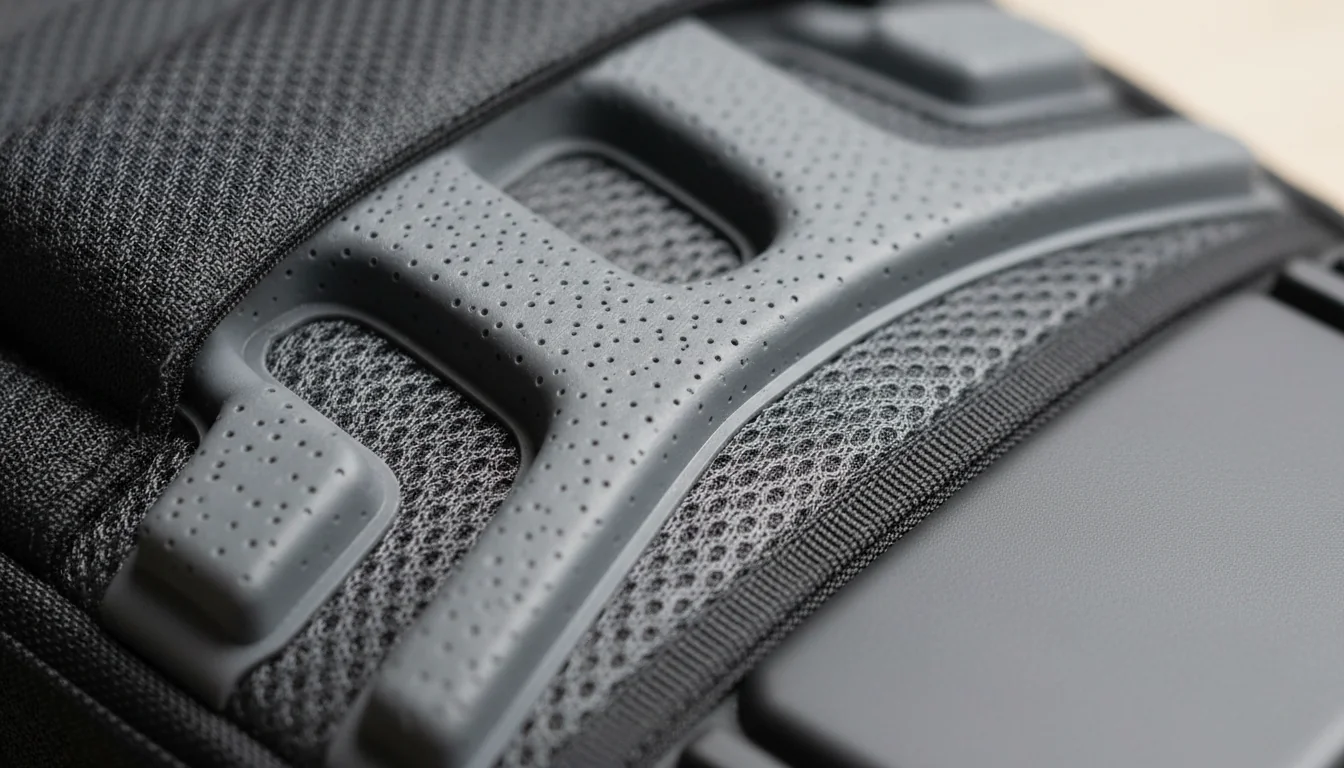
Six case archetypes that work
Here are six proven two‑watch formats that ride well inside backpacks, with use‑case clarity so you can match design to your routine.
- Rigid clamshell, dual foam: EVA exterior; two contoured cutouts with crown relief. Best for commuters who pack tight admin panels with chargers and cables.
- Flat folio, twin cushions: Zipped book‑like case; cushions strap in. Ideal for office backpacks that slide into laptop sleeves beside a notebook.
- Watch roll, double bay: Stiffened core with two slots, end snaps. Great in top‑loading rucksacks; packs horizontally under the lid.
- Hybrid pouch with carabiner: Semi‑rigid face panel and micro‑pocket for tools; clip to an internal D‑ring. Suits travel daypacks with side‑zip access.
- Water‑resistant mini‑dry case: Coated fabric, gasketed zip, twin sleeves. For light drizzle on walks to class or game days with unpredictable weather.
- Modular insert, two compartments: Drop‑in cube for camera‑style dividers. Works in photo and tech backpacks with hook‑and‑loop walls.
Rolls without stiffeners can flatten in crowded packs. If you love rolls, choose one with a spine.
All six keep watches separated and immobilized—the two most critical factors when cases live in dynamic, jostling backpacks.
How to pack a two‑watch case in a backpack
- Place the heavier watch at the bottom position to anchor the case upright.
- Loosen bracelets one notch to reduce spring tension on lugs during bumps.
- Add a silica packet and a soft cloth between case lid and cushions.
- Stand the case behind your laptop sleeve, close to the pack’s frame sheet.
- If space is tight, switch to a single‑watch day: consider this slim one‑piece option to free room for layers.
Label the case with a contact number inside. If your backpack hits lost‑and‑found, your watches have an ID.
Why carry a two‑watch case in a backpack?
Backpacks hold mixed gear that shifts and compresses. A dedicated case gives crush resistance, organizes accessories, and keeps a dress piece separate from a trail or gym watch.
How does a clamshell compare to a watch roll in packs?
Clamshells resist point loads better in crowded laptop backpacks. Rolls pack softer but can flatten unless they have a stiff spine. For tight admin pockets, a flat folio wins.
What size works with event bag policies?
Aim under 6" × 6" × 2.5" if your backpack is restricted and you must use a small opaque pouch. Clear‑bag rules in 2026 often allow 12" × 12" × 6" carry‑ins; confirm ahead.
Where should the case sit inside my rucksack?
Against the back panel or just in front of the laptop sleeve. That position minimizes swinging and shields it with the pack’s structure during transit.
Can I downsize to one watch on light‑carry days?
Yes. A slim single‑watch sleeve frees space in compact backpacks. For a minimalist reference, see this streamlined sleeve idea that slides into small pockets.
What materials hold up inside backpacks?
Molded EVA shells, dense foam, and tight‑weave fabrics. Look for smooth liners that won’t abrade crystals, and zippers that won’t snag straps while you pack.
Any smartwatch‑specific notes?
Turn off wake‑on‑tilt when stored, and clean sensor windows before packing. Keep chargers in a net pocket so cables don’t press into the case.
For 2026 travel, campus life, and weekend trails, the right two‑watch case turns a crowded backpack into a safe, organized carry for your timepieces.
- Protect against crush and vibration with rigid shells and dense foam.
- Pack smart: vertical near the spine, sub‑7 cm height, quick‑access placement.
- Match formats to routines: clamshell, folio, roll, hybrid, dry, or modular.
Need a home base for the rest of your collection? A multi‑slot box complements backpack carry; explore this five‑piece reference as a sturdy at‑home partner.
0 comments