


Looking for a clear, no-fluff guide to 316L stainless steel in 2026? You’re in the right place.
What exactly is 316L, when should you choose it over other grades, and how do you care for it fast? This practical guide answers all three—definition, real benefits, and a quick care routine you can follow in minutes.
By the end, you’ll have a step-by-step reference to choose and maintain 316L for jewelry, watches, cookware, sinks, railings, and more—without guesswork.
Definition guide: what 316L means
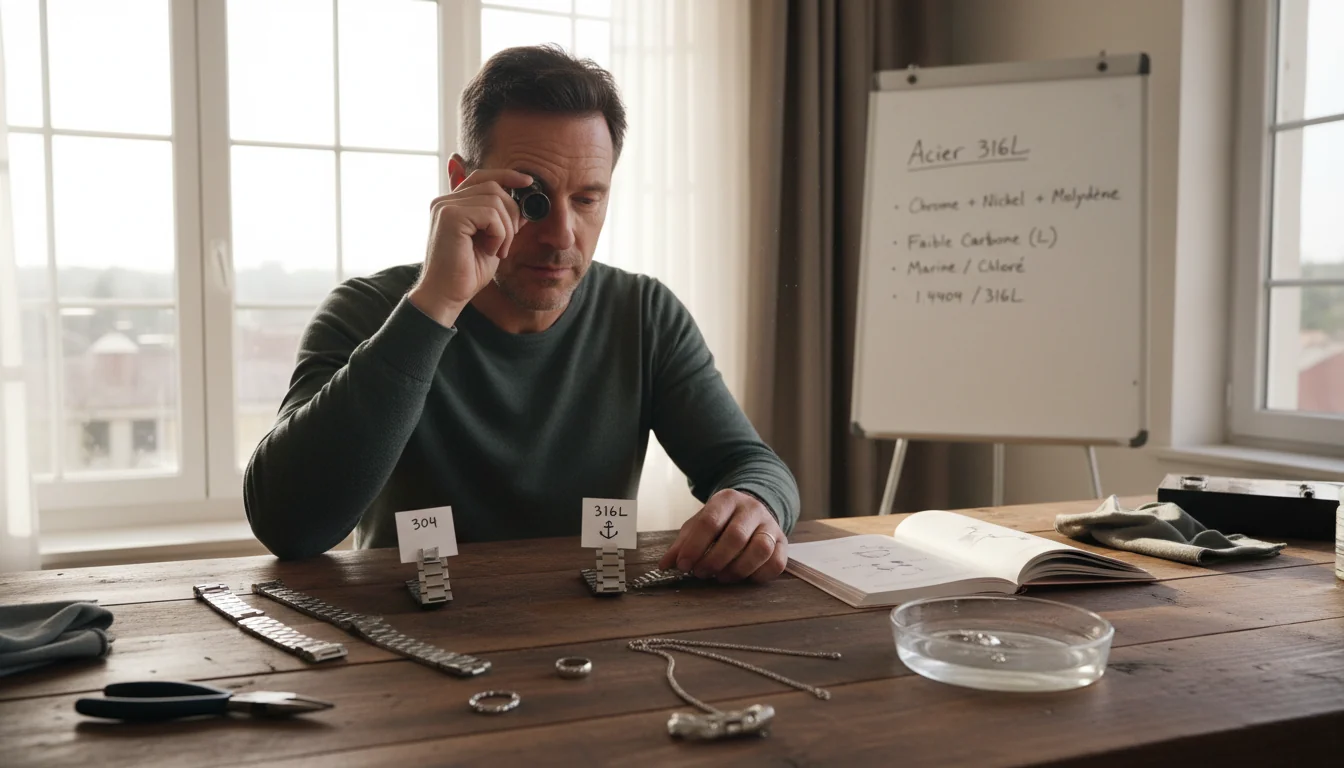
316L is an austenitic stainless steel grade with low carbon content. It contains chromium, nickel, and molybdenum additive that improves resistance to chlorides and acids. The “L” (low carbon) helps prevent sensitization during welding and extends service life.
- Composition snapshot (typical): 16–18% chromium, 10–14% nickel, 2–3% molybdenum, ≤0.03% carbon.
- Microstructure: austenitic (generally non‑magnetic in annealed state).
- Strengths: high corrosion resistance, good toughness, formability, polishability.
- Aliases in the market: “marine‑grade” or “surgical grade” stainless steel (context dependent).
Molybdenum is the quiet hero in 316L. It boosts pitting and crevice corrosion resistance in salty or chlorinated water.
Use this definition guide as your anchor as we compare grades, outline benefits, and walk through fast care.
316L vs 304 at a glance
| Property | 316L Stainless Steel |
|---|---|
| Chloride resistance | Higher (Mo 2–3% aids pitting resistance) |
| Carbon content | Low (≤0.03%), better welding stability |
| Maintenance needs | Low maintenance, easy to clean |
When specs list “AISI 316L” or “Type 316L,” you’re seeing the same grade. For sensitive environments, this is your reference guide spec to look for.
Benefits guide: corrosion and safety
Why do professionals and everyday users prefer 316L? This benefits guide translates metallurgical advantages into daily value—durability, comfort, and minimal upkeep.
- Corrosion resistance: excels against saltwater, sweat, and common household acids. Ideal for coastal sinks, outdoor drains, and steel jewelry.
- Skin‑friendliness: widely regarded as hypoallergenic. Nickel release is low, which supports all‑day wear for earrings, rings, bracelets, or watch cases.
- Finish longevity: the passive chromium oxide film resists tarnishing. A quick wipe restores shine without special products.
- Heat and hygiene: suitable for cookware surfaces, sanitary fittings, and autoclave‑ready components when designed for those uses.
- Structural reliability: strong yet formable, with good impact tolerance and crack resistance under daily wear.
Even 316L can pit in stagnant chloride exposure (pool chemicals, bleach). Rinse and dry after contact to preserve the surface.
Compared with sterling silver, 316L resists tarnish better and needs far less polishing. Against titanium, it offers a denser, mirror‑ready sheen that many users prefer for jewelry and watches.
If your skin is very sensitive, choose polished 316L labeled “surgical grade” and test with short, all‑day wear before making it your daily piece.
Keep this benefits guide handy when comparing materials in any “Overview” or “Jewelry Knowledge” section you consult.
Choice guide: 304 vs 316L
Both grades are stainless, but the right choice depends on environment and wear‑and‑tear. This choice guide filters by use case so you don’t over‑ or under‑spec.
- Coastal homes, pools, marine spray: 316L is favored for drains, railings, and sinks exposed to salt or chlorine.
- Everyday kitchens away from salt/chlorine: 304 often suffices; 316L adds margin for acidic splashes and longer polish retention.
- Jewelry for sensitive skin: 316L or titanium; for silver‑like shine with low maintenance, 316L steel jewelry wins.
- Medical context: 316L is the common “surgical grade” choice for corrosion resistance and biocompatibility in non‑implant applications.
- Heat exchangers and sanitary pumps: 316L is standard where chloride‑bearing fluids or cleaning chemicals are present.
| When to prioritize | Pick this grade |
|---|---|
| Salt, sweat, pool chemicals, harsh cleaners | 316L (molybdenum advantage) |
| Budget, low‑chloride indoor use | 304 (entry solution) |
Pitting Resistance Equivalent Number (PREN) is typically higher for 316L than 304—one reason 316L outperforms in salty settings.
Bottom line for this choice guide: choose 316L when your environment is tough; 304 where conditions are benign.
Use guide: jewelry, watches, fixtures
This use guide focuses on where 316L shines in daily life—on your skin, in your kitchen, and around water. Think earrings, watch cases, sinks, and outdoor systems.
- Jewelry: earrings, necklaces, body jewelry, chain bracelets, and rings with low nickel release for all‑day comfort.
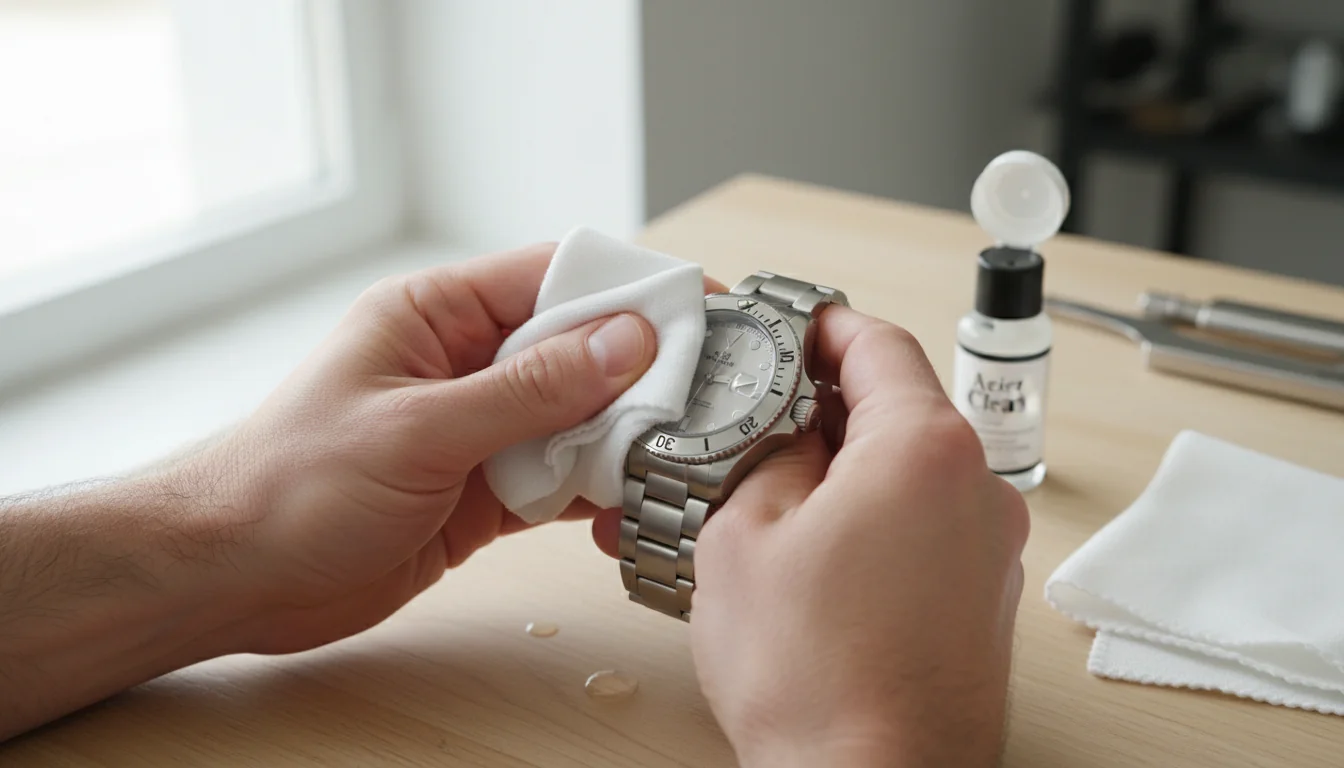
- Watches: cases and bracelets resist sweat and rain; ideal for stainless steel watches worn from Home to gym.
- Kitchens and baths: sinks, faucets, and drains that face cleaning agents and splashes.
- Marine/sanitary systems: railings, fittings, heat exchangers, and tubing requiring a corrosion‑resistant, hygienic surface.
- Personal care tools: shaving handles, tongue scrapers, and similar metal products needing easy cleaning.
“Waterproof” jewelry still benefits from a rinse after pools or the ocean. Chlorine and salt concentrate in crevices and can dull polished finishes.
For new pieces, scan the product “Overview” or “All Watches” pages for material lines like “Grade 316L” so you can apply this guide’s checks.
Prefer mirror‑polished surfaces for jewelry; brushed finishes hide micro‑scratches on sinks and rails. Both are easy to clean with this guide’s routine.
Quality guide: specs and finishes
Not all stainless pieces marked “316” are equal. This quality guide shows what to look for in data sheets, finishes, and fabrication notes to ensure durability.
- Look for AISI 316L or “Type 316L” on materials data and product specs; “surgical grade” is common shorthand in jewelry and medical tools.
- Finish quality: polished or electropolished surfaces clean faster and resist residue; brushed satin hides wear on utilities.
- Passivation: nitrogen‑bearing acids or citric passivation restore the chromium oxide film after machining or welding.
- Magnetism: austenitic 316L is generally non‑magnetic, but slight magnetism can appear after cold work—this is normal.
- Assembly details: compression fittings, well‑sealed joints, and proper gaskets matter more than the metal alone in harsh service.
Many sanitary components in food and lab settings use 316L for chambers and wetted parts because it tolerates cleaners better than 304.
Use this quality guide when scanning a product page’s materials, features & benefits, and care sections before you commit.
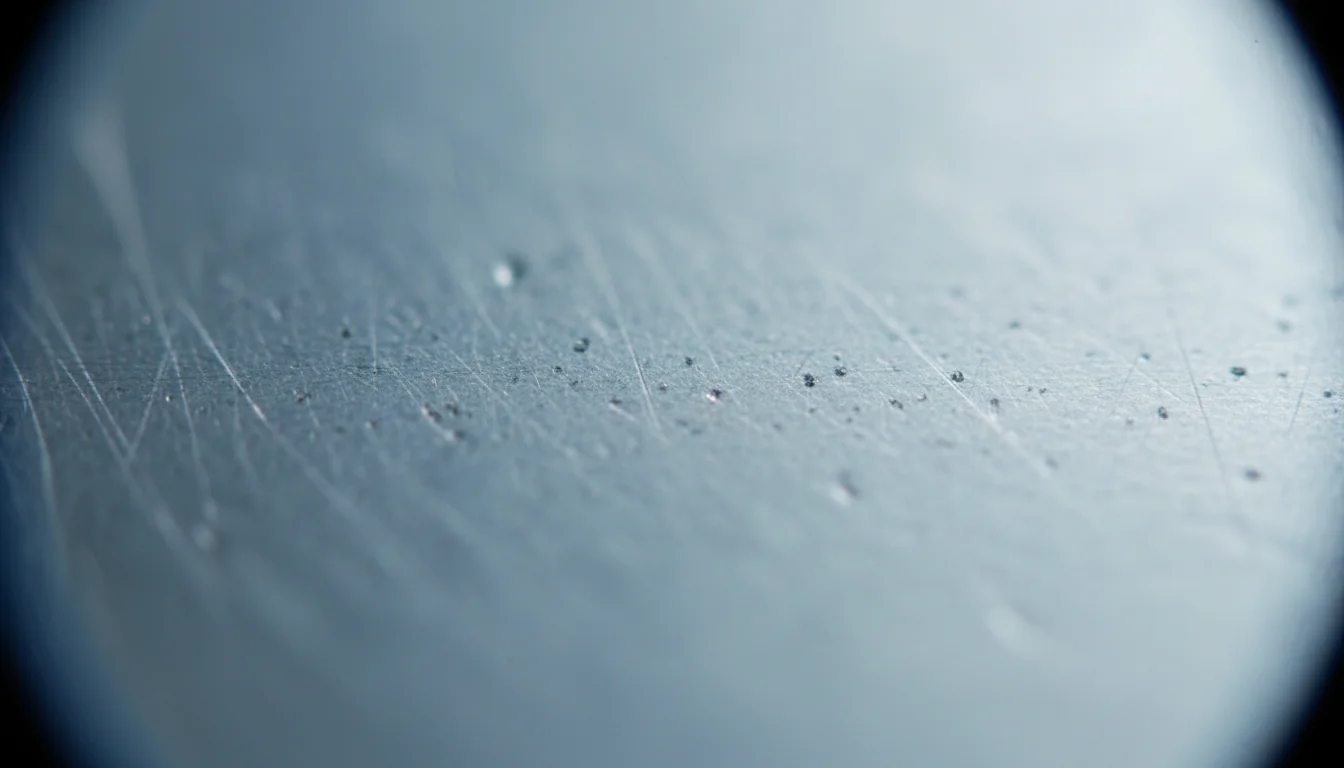
If nickel sensitivity is known, verify claims like “implant or surgical grade” and start with short wear periods. While 316L is low‑release, reactions can still occur in a small subset of users.
Decision points: when to pick 316L
Use this selection guide to decide between common grades. It balances climate, exposure, and maintenance goals.
| Aspect | 304 vs 316L: quick guide |
|---|---|
| Chloride exposure | 316L excels in salt, sweat, and pool water; 304 can tea-stain outdoors. |
| Budget vs longevity | 304 is economical; 316L delivers longer life in tough environments. |
| Jewelry comfort | 316L has a hypoallergenic edge when well polished. |
| Kitchen and sinks | Both are easy-care; 316L resists pitting from salts and cleaners better. |
| Marine hardware | Choose 316L for cables, railings, and fixtures near seawater. |
No stainless grade ignores neglect. Even 316L needs simple rinsing after salt or chlorine to preserve its passive layer.
If your “Home” climate is humid or coastal, this buying guide favors 316L for less upkeep and more reliable looks over time.
Quick Care Guide: 3-minute method
- Rinse with warm water to remove salts and films.
- Wash with a drop of mild soap; use a soft cloth or sponge.
- Detail crevices with a soft brush; avoid steel wool.
- Rinse thoroughly; wipe dry to prevent spotting.
- Optional: finish with a microfiber buff for extra shine.
Create a tiny “care kit”: mild soap, soft brush, microfiber. You’ll follow this step-by-step guide more often when tools are at hand.
Bleach, scouring pads, and chloride-heavy sprays can pit the surface. Stick to neutral pH cleaners.
What is 316L stainless steel?
It’s an austenitic grade with low carbon and added molybdenum for strong chloride resistance. This guide frames it as the go-to for salty, humid, or sweaty conditions.
How does 316L compare to 304?
304 is fine indoors and low-chloride settings. 316L resists pitting much better outdoors, near the sea, or with pool exposure. Use the table in this guide to decide quickly.
Is 316L good for sensitive skin?
Yes, when well finished. It’s often described as surgical-grade and typically low in nickel release. This guide still advises short test-wear if you’re highly sensitive.
Does it work for stainless steel watches?
Absolutely. 316L balances comfort, scratch resistance, and corrosion resistance. Our guide suggests rinsing after sweat or saltwater to keep the finish pristine.
What’s the fastest way to clean it?
Follow the quick care guide: rinse, mild soap, soft brush, rinse, dry. Two to three minutes is enough for daily maintenance.
Can 316L handle kitchen use?
Yes. It resists acids and salts better than standard grades. This guide recommends non-abrasive cleaning and a final rinse to stop spotting.
Is 316L magnetic?
Generally no, though light magnetism can appear after cold work. This has no practical impact on care in this guide.
Does a coating change maintenance?
PVD colors need gentler cleaning. The base steel is robust, but the guide advises soft cloths and neutral cleaners to protect the finish.
316L stainless steel stands out in 2026 for environments where salt, sweat, and frequent cleaning are the norm—across jewelry, watches, kitchens, and marine fixtures.
- Definition simplified: low carbon, molybdenum‑alloyed, chloride‑resistant steel.
- Benefits proven: durability, skin comfort, and easy maintenance.
- Quick care: rinse, mild soap, dry—repeat after salt or chlorine.
Use this guide as your dependable reference for selecting and caring for 316L with confidence.
0 comments